


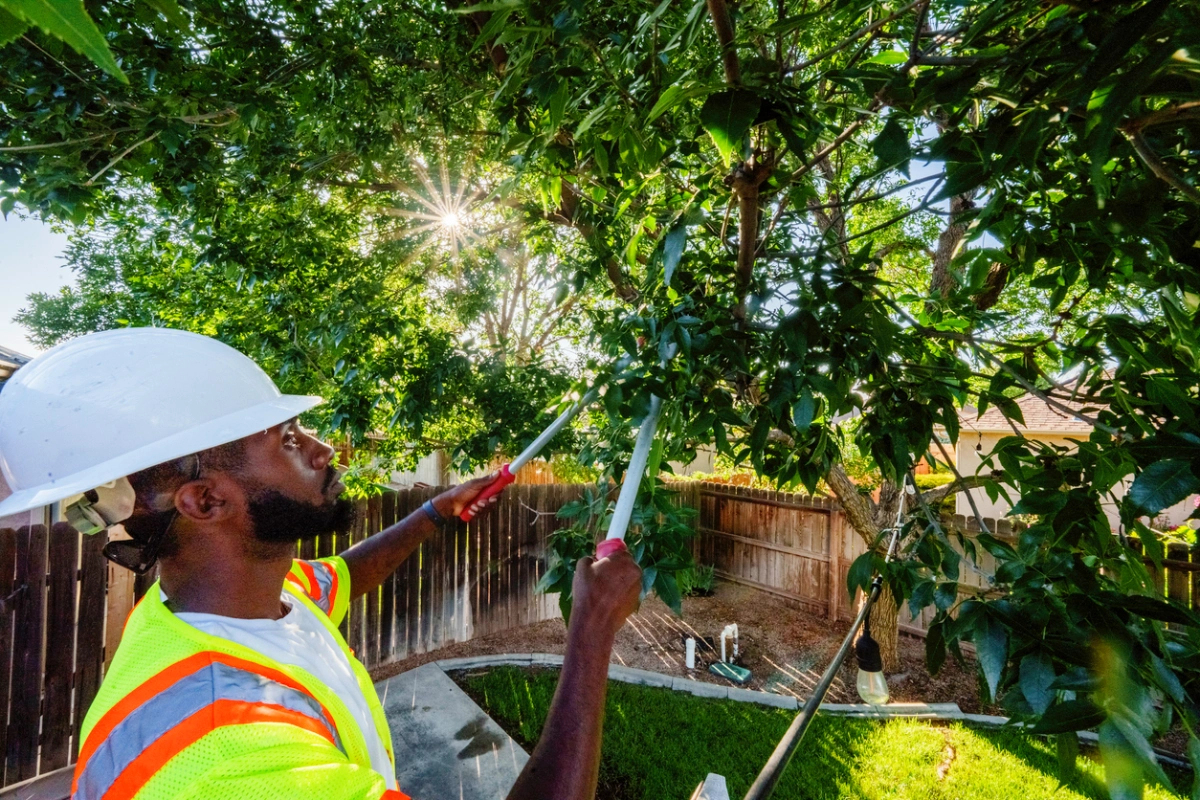
Maintaining a vibrant, healthy, and structurally sound landscape requires far more than just planting a sapling and letting nature take its course. Trees are dynamic living organisms that respond directly to their environment and the care they receive. For property owners standing in the yard with a pair of loppers, one critical question invariably arises: when is the best time to prune trees?
Making the wrong cut at the wrong time of year can invite devastating diseases, stunt growth, or even lead to the premature death of a beloved landscape centerpiece. Conversely, timing the cuts perfectly encourages vigorous growth, enhances structural integrity, and produces a spectacular canopy. Understanding the complex biology of woody plants is the foundation of excellent arboriculture.
High-quality residential tree services focus not just on aesthetics, but on the long-term biological health and physical stability of the urban forest. This comprehensive guide delves deep into the science of arboriculture to answer every timing-related question property owners face. Readers will discover the profound benefits of dormant season pruning, learn why fall is generally the most dangerous time to cut, explore a detailed seasonal tree pruning guide tailored to specific species, and understand exactly when to call upon the expertise of certified professionals.
Understanding the Science Behind a Tree Pruning Schedule
To understand when trees should be pruned, one must first understand how trees process energy, heal wounds, and defend themselves against pathogens. Trees do not heal the way mammals do; they do not regenerate damaged tissue. Instead, trees seal over wounds through a highly complex biological process known as Compartmentalization of Decay in Trees (CODIT).
The Biology of Energy Storage and Recovery
Throughout the spring and summer, a tree uses its leaves to perform photosynthesis, converting sunlight into essential sugars and starches. As daylight hours dwindle in the autumn, deciduous trees pull these vital energy reserves down from the canopy and store them safely within their root systems and lower trunks. This stored energy acts as a biological battery, sustaining the tree through the freezing winter months and providing the immense burst of power needed to push out new leaves and shoots the following spring.
Whenever a branch is removed, the tree must expend a significant amount of its stored energy to produce “wound wood” or callus tissue to cover the exposed cut. If a tree is pruned when its energy reserves are dangerously low, it will struggle to seal the wound. This slow sealing process leaves the internal sapwood exposed to the elements for an extended period, creating an open door for decay-causing fungi, bacteria, and wood-boring insects.
Why Timing Dictates Tree Health and Vigor
A well-planned tree pruning schedule aligns the physical cutting of branches with the tree’s natural energy cycles and defense mechanisms. The goal is to make cuts when the tree has ample energy reserves to quickly compartmentalize the wound and when environmental pathogens are least active.
Furthermore, pruning triggers a hormonal response. Removing the tips of branches alters the balance of auxins (hormones that control upward growth) and cytokinins (hormones that control lateral growth). Pruning in the late winter often stimulates vigorous, explosive new growth in the spring, which is excellent for shaping a young tree. Conversely, pruning in mid-summer can stunt or slow down growth, which is a highly useful tactic when trying to control a tree that has outgrown its designated space.
The Dormant Season: Often the Best Time to Prune Trees
Ask any certified arborist to identify the absolute best season for tree trimming, and the answer will almost universally be the dormant season. For the vast majority of deciduous trees—those that lose their leaves in the autumn—late winter represents the safest and most beneficial window for major structural pruning.
The Biological Benefits of Dormant Season Tree Pruning
Dormant season tree pruning occurs after the tree has completely dropped its leaves and entered a state of winter hibernation, but before the sap begins to flow rapidly in the early spring. During this period, the tree’s energy reserves remain safely protected within the root system.
When cuts are made in late February or early March, the tree experiences minimal stress. Because the tree is not actively growing, it does not immediately bleed excessive amounts of sap. More importantly, as soon as the ground thaws and spring arrives, the tree’s newly awakened vascular system immediately directs a massive surge of stored energy toward the fresh wounds. This results in the fastest possible compartmentalization and healing process, effectively locking out decay before the warm-weather pathogens even have a chance to multiply.
Enhanced Visibility and Structural Assessment
One of the greatest practical advantages of winter pruning is visibility. When the canopy is thick with foliage during the summer, it is incredibly difficult to see the central architecture of the tree. Branches crisscross, deadwood hides in the shadows, and dangerous structural defects remain concealed behind a wall of green.
Once the leaves fall, the entire skeleton of the tree is exposed. Arborists can easily identify crossing branches that are rubbing bark away, narrow branch unions that are prone to splitting under heavy ice loads, and dead or diseased limbs that need to be removed. This clear line of sight allows for highly precise, strategic cuts that dramatically improve the long-term structural integrity of the plant.
Disease and Pest Prevention During Winter
The dormant season also offers unparalleled protection against the insects and diseases that plague the urban landscape. Fungal spores, which are responsible for the vast majority of wood rot and tree diseases, are inactive during freezing temperatures. Similarly, the destructive insects that carry these diseases from tree to tree are either dead or overwintering. By making cuts when the environment is largely sterile, property owners drastically reduce the risk of infecting their valuable trees.
Spring and Summer Pruning: Proceed with Caution
While late winter is the gold standard for structural overhaul, certain specific goals justify pruning during the active growing season. However, understanding the risks associated with warm-weather cutting is essential to avoid causing irreversible harm.
When Should Trees Be Pruned in Spring?
The period immediately following leaf-out in the spring is generally the most dangerous time to remove live wood. During this time, the tree has just expended a massive amount of its stored root energy to produce new foliage. Its biological battery is virtually depleted, and it desperately needs those new leaves to begin photosynthesizing and recharging its reserves. Removing live branches during the early spring starves the tree of its energy-producing factories right when it is most vulnerable.
However, spring is an excellent time to inspect the canopy for branches that failed to survive the winter. Because the rest of the tree is green, deadwood stands out in stark contrast. Removing completely dead, broken, or heavily damaged branches can be done at any time of the year, including spring, because dead wood no longer draws energy from the living organism.
Summer Pruning for Growth Management
As the tree transitions into mid-summer, its energy reserves are partially replenished, and its leaves are operating at peak efficiency. Summer pruning is highly specific and usually focuses on growth management rather than structural improvement.
If a tree is growing too aggressively toward a house, encroaching on utility lines, or shading out a prized garden bed, summer is the ideal time to intervene. Because the tree has already pushed out its primary spring growth, summer pruning tends to dwarf or suppress future development. Removing a branch in July removes the leaves that would have fueled further growth, effectively putting the brakes on the tree’s expansion.
Summer is also the perfect time to prune trees for healthy growth by removing “water sprouts” and “suckers.” These are the aggressive, wildly fast-growing vertical shoots that often emerge from the base of the trunk or along major branches. They drain vital resources away from the main canopy and possess very weak structural attachments. Snapping or cutting these off in the mid-summer helps redirect the tree’s energy back into its primary root system and canopy.
The Dangers of Oak Wilt and Other Warm-Weather Diseases
The most critical caveat to spring and summer pruning involves specific species susceptibility. Oak trees, for example, must never be pruned during the active growing season unless there is an immediate, life-threatening hazard.
Oak wilt is a devastating, rapidly spreading fungal disease that clogs the vascular system of oak trees, often killing a mature specimen within a single season. The fungus is spread by tiny sap-feeding beetles (Nitidulidae) that are highly active from April through August. If an oak tree is pruned during this window, the fresh sap immediately attracts these beetles. If a beetle happens to be carrying the oak wilt spores, the tree becomes infected instantly. For this reason, professional tree pruning services strictly limit oak pruning to the dead of winter. Similar warm-weather restrictions apply to elm trees due to the threat of Dutch elm disease, and members of the rose family (like apples and crabapples) due to fire blight.
Fall Pruning: The Season to Avoid
If late winter is the best time to prune, the autumn season is unequivocally the worst. While the cool, crisp weather might make yard work appealing, cutting live wood in the fall creates a perfect storm of biological vulnerability for the tree.
Fungal Spores and Slow Wound Healing
During the fall, fungi are incredibly active. As leaves drop and organic matter decays, the air is thick with fungal spores searching for host environments. When a pruning cut is made in October or November, it creates an open, weeping wound just as these pathogens are peaking.
Compounding the problem is the tree’s internal clock. In the fall, the tree is systematically shutting down its above-ground growth processes to prepare for winter dormancy. The vascular system is slowing down, meaning the tree will not expend the energy required to rapidly generate callus tissue over the fresh cut. The wound remains completely exposed and undefended throughout the entire winter, providing fungi and wood-rot pathogens free rein to penetrate deep into the heartwood before the tree can finally begin the compartmentalization process the following spring. Unless a branch is physically broken by an autumn storm and presents a safety hazard, keep the saws and loppers locked away during the fall.
A Seasonal Tree Pruning Guide by Tree Type
Tree trimming timing by species is a complex subject, as different categories of woody plants have evolved distinct biological rhythms. A comprehensive seasonal tree pruning guide must account for whether a tree produces fruit, when it flowers, and whether it retains its needles year-round.
Tree Trimming Timing by Species: Deciduous Shade Trees
Deciduous shade trees make up the bulk of the urban forest canopy. This category includes majestic species such as maples, oaks, hickories, ashes, and lindens. As thoroughly discussed, the absolute best time to prune these towering giants is during the late winter dormant season.
It is worth noting that certain species, notably maples, birches, and walnuts, are colloquially known as “bleeders.” If these trees are pruned in the late winter or very early spring just as the ground thaws, they will exude massive amounts of sap from the pruning cuts. While a weeping maple might look alarming to a property owner, arborists know that this heavy sap flow is largely a cosmetic issue and rarely harms the tree. The sap is simply a byproduct of the vascular system waking up, and the benefits of dormant pruning still far outweigh the temporary visual of a bleeding trunk.
Pruning Flowering Trees for Maximum Blooms
Ornamental flowering trees present a unique timing challenge. While dormant season pruning is excellent for their structural health, it can inadvertently destroy their primary aesthetic appeal: the flowers. The timing for flowering trees depends entirely on whether they bloom on “old wood” or “new wood.”
Trees that bloom in the early spring, such as dogwoods, redbuds, ornamental cherries, and flowering plums, produce their flower buds during the previous summer. The buds sit dormant on the branches all winter. If these trees are pruned in the late winter, the flower buds are completely cut away, resulting in a barren, flowerless spring. Therefore, early-spring bloomers should be pruned immediately after their flowers fade and drop, giving them the rest of the summer to develop new buds for the following year.
Conversely, trees that bloom in the mid-to-late summer, such as crape myrtles and the Japanese tree lilac, produce their flowers on the new growth generated during the current spring. For these species, dormant season pruning in late winter is ideal. The cuts will stimulate vigorous new shoots in the spring, which will subsequently produce an abundance of late-summer blossoms.
Evergreens and Conifers
Evergreens, including pines, spruces, and firs, grow differently from deciduous trees. They do not possess the same dormant energy cycles because they retain their foliage year-round. Generally, conifers require very little structural pruning compared to shade trees.
If shaping or size reduction is necessary, the best time to prune conifers is in the late winter or very early spring, just before the new growth—known as “candles”—begins to expand. Pruning just before the flush of spring growth allows the new needles to quickly emerge and mask the pruning cuts, preserving the natural aesthetics of the tree. Avoid pruning evergreens in the late summer or fall, as any new growth stimulated by the cuts will not have time to harden off before the freezing temperatures arrive, leading to severe winter burn and dieback.
Fruit Trees: Pruning Trees for Healthy Growth and Yield
The primary goal when managing fruit trees—like apples, pears, and peaches—is entirely different from managing shade trees. While shade trees are pruned for height, strength, and canopy spread, fruit trees are aggressively pruned to maximize fruit production and facilitate easy harvesting.
Pruning trees for healthy growth and maximum yield requires strict dormant-season intervention. Fruit trees must be pruned in late February or early March to open up the center of the canopy. Sunlight must be able to penetrate deeply into the interior branches, as sunlight directly drives the development and ripening of the fruit. Furthermore, opening the canopy drastically improves air circulation, allowing the morning dew to dry rapidly. This reduction in moisture is the most effective natural defense against the fungal diseases that commonly decimate fruit crops.
How Often Should Trees Be Pruned?
Understanding the calendar is only half the battle; knowing the frequency of intervention is equally vital. The question of how often trees should be pruned depends heavily on the age, species, and location of the tree.
Age and Establishment Factors
Young, newly planted trees require the most frequent attention. During the first ten years of a tree’s life in the landscape, structural pruning is paramount. Young trees should be inspected and lightly pruned every two to three years. This early intervention is known as “subordination pruning,” where arborists select a single, strong central leader (the main upward trunk) and gradually reduce the size of competing branches. Fixing a structural defect when a branch is only one inch thick requires a simple snip. Trying to fix that same defect twenty years later, when the branch is twelve inches thick and weighs a thousand pounds, requires heavy machinery and inflicts a massive wound on the tree.
Mature, established shade trees require far less frequent intervention. Once a tree has achieved its mature structure, it generally only needs professional attention every five to seven years. At this stage, pruning focuses on cleaning out deadwood, removing rubbing branches, and occasionally thinning the outer canopy to reduce wind resistance.
Environmental Factors and Storm Damage Risk
Frequency is also dictated by the tree’s immediate environment. Trees growing in heavily compacted urban soils, near construction zones, or in areas subjected to extreme weather patterns may require more frequent inspections. Removing deadwood and selectively thinning a dense canopy allows high winds to pass safely through the branches rather than pushing against them like a solid sail. This proactive tree maintenance and pruning is a highly effective way to prevent catastrophic failure during severe thunderstorms or winter blizzards.
Recognizing When You Need Professional Tree Pruning Services
While homeowners can safely handle minor aesthetic snips on small shrubs and lower branches using hand pruners, the reality of arboriculture is that significant canopy management is highly technical, dangerous work. Knowing when to put down the loppers and call for professional tree pruning services is critical for both human safety and the longevity of the landscape.
Safety Concerns and Large Canopy Trees
Tree work consistently ranks among the most dangerous professions in the world. When a branch exceeds three inches in diameter or is located higher than a person can comfortably reach while standing on the ground, a professional arborist must be engaged. Operating a chainsaw from a ladder is an invitation to severe injury.
Professionals utilize specialized aerial lift trucks, advanced rope climbing systems, and complex rigging techniques to safely access and dismantle heavy branches high in the canopy. Furthermore, reputable tree care companies carry extensive liability and workers’ compensation insurance, completely protecting the property owner from financial disaster in the event of an accident.
The Importance of Proper Technique in Tree Maintenance and Pruning
Beyond physical safety, professionals possess a deep understanding of tree biology. A bad pruning cut can permanently ruin a tree. If a branch is cut too close to the main trunk (a flush cut), the tree’s natural defense zone is destroyed, guaranteeing internal heart rot. If a branch is cut too far away from the trunk (leaving a stub), the tree cannot seal over the dead wood, again inviting decay.
Certified arborists are trained to identify the branch bark ridge and the branch collar, ensuring that every single cut is made at the precise angle and location necessary to facilitate rapid compartmentalization. They also understand the specific species requirements, knowing exactly how much live canopy can be safely removed without triggering a panic response or starvation.
Conclusion
Understanding the intricate biology of the urban landscape transforms basic yard work into proactive, long-term environmental stewardship. By recognizing that late winter offers the safest window for major structural changes, respecting the specific blooming cycles of ornamental species, and strictly avoiding the fungal dangers of autumn, property owners can ensure their trees remain vigorous, beautiful, and structurally resilient for generations.
Whether a property requires precise dormant season shaping, the delicate management of flowering ornamentals, or the strategic removal of hazardous deadwood before the next major weather event, relying on seasoned experts is the safest and most effective approach. The industry professionals at Taylor Expert Arborists possess the advanced knowledge, specialized equipment, and deep biological understanding required to execute flawless tree maintenance and pruning. Do not leave the health and safety of a mature landscape to guesswork. Contact Taylor Expert Arborists today to schedule a comprehensive canopy assessment and establish a customized pruning schedule tailored perfectly to the unique needs of the property.


