


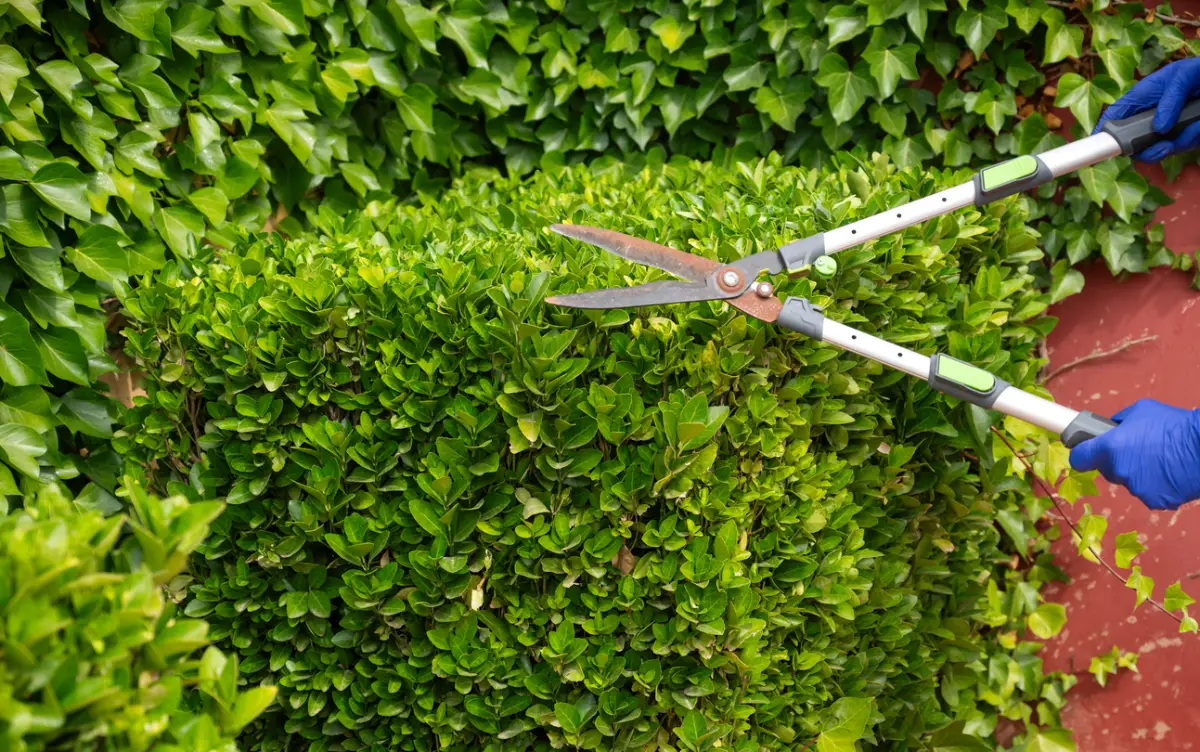
Summer is a season when many homeowners are busy maintaining their landscapes, watering plants, mowing lawns, and managing growth in their gardens. One of the most common questions people ask is: Can you trim shrubs in the summer? The short answer is yes—but it depends on the type of shrub, the timing, and the techniques you use. When done correctly, summer pruning can help your shrubs thrive, encourage healthier growth, and enhance the appearance of your landscape.
At Taylor Expert Arborists, we often remind clients that pruning is not just about aesthetics—it’s also about the overall health of your trees and shrubs. In fact, a professional tree health inspection can help determine whether your shrubs are ready for trimming in the summer months, or if it’s best to wait until a cooler season.
Introduction to Summer Pruning
Summer pruning plays a vital role in keeping your trees and shrubs healthy, attractive, and manageable. While many gardeners associate pruning with the dormant season, tackling certain tasks during the summer months can offer unique benefits. Removing dead, damaged, or diseased branches as soon as you spot them helps prevent the spread of disease and encourages vigorous new growth.
For spring-flowering shrubs like lilac and forsythia, it’s important to prune immediately after they finish blooming—this preserves next year’s flower buds and ensures a vibrant display come spring. In contrast, summer flowering shrubs such as butterfly bush and hibiscus benefit most from pruning in late winter or early spring, which stimulates fresh growth and abundant flowering during the growing season.
Understanding the right time and method for summer pruning is key to supporting the health and beauty of your trees and shrubs all year long. This comprehensive guide will cover the best practices for trimming shrubs during the summer, including the types of shrubs that benefit from summer pruning, the techniques to use, common mistakes to avoid, and the tools that make the process easier and safer.
Types of Shrubs to Prune in Summer
Not all shrubs respond the same way to summer pruning. Some benefit from light shaping during the warmer months, while others are best left untouched until fall or winter. Some shrubs require only a little pruning during summer to maintain their health and appearance. To make informed decisions, it helps to look closely at the categories of shrubs and how they respond to the heat, timing, and intensity of pruning.
Flowering Shrubs
Shrubs that bloom in the spring, such as lilacs, forsythia, and azaleas, develop their buds shortly after their flowering period ends. Many spring-flowering shrubs bloom on the previous season’s growth, so pruning at the right time is crucial to avoid cutting off next year’s flowers. That means pruning should happen immediately after the blooms fade. This timing helps preserve new flower buds that form on old wood, ensuring a healthy floral display the following spring. If you wait until late summer, you risk removing the buds that would have become next year’s flowers. Summer pruning for these shrubs is best limited to light trimming or shaping to maintain structure and prevent excessive growth. This ensures they still have enough foliage to photosynthesize and prepare for next season’s flowering cycle.
Evergreen Shrubs
Many evergreen shrubs, including boxwood, holly, and yew, can tolerate light summer trimming. Gardeners often use this time to maintain clean, formal shapes or to keep growth under control. Formal hedges require regular, careful pruning to preserve their precise appearance and ensure they maintain their intended structure. However, these shrubs still need their foliage for energy production. Cutting back too much during the heat of summer can stress them, leaving them susceptible to browning or pest infestations. A good rule is to focus on shaping the newest growth while leaving the older foliage largely intact.
Fast-Growing Shrubs
Certain deciduous shrubs, like privet and spirea, put on vigorous growth during summer. Light but consistent pruning during the warm months can help keep them from overwhelming other plants in your landscape. Summer is a good time to thin out excessive shoots, improve air circulation and light penetration, and maintain a balanced size. For summer-flowering shrubs, trimming during summer encourages healthy current season’s growth and optimal flowering. The key here is moderation—removing too much at once can shock fast growers and slow their recovery.
Shrubs to Avoid Pruning in Summer
Some shrubs are especially sensitive to summer pruning. Hydrangeas and rhododendrons, for example, set their flower buds for the following year during the summer. For some summer-flowering shrubs, such as potentilla and Japanese spirea, blooms develop on the current year’s growth, so timing your pruning is critical. Cutting them back too aggressively can significantly reduce next year’s blossoms. Pruning at the wrong time can also expose tender new growth to stress or damage, which may affect the plant’s health. In addition, shrubs already weakened by drought or disease should not be pruned in summer. Stress from both pruning and heat can compound their problems, making recovery more difficult. Improper summer pruning can also increase the risk of winter injury, as exposed or weakened branches are more susceptible to cold damage. In such cases, it’s best to wait for cooler months or seek guidance from an arborist to determine the safest approach.
Best Time for Pruning
Choosing the best time to prune depends on the specific type of tree or shrub, as well as its growth and bloom patterns. Deciduous shrubs, like lilac and forsythia, should be pruned immediately after their spring blooms fade to avoid cutting off next year’s flower buds. Deciduous trees, including oaks and maples, are best pruned during the late dormant season—typically from late winter to early spring—when the risk of disease is lower and before new growth begins. Evergreen shrubs, such as juniper and yew, respond well to pruning in early spring, just as new growth appears. Special care should be taken with oak trees, which are highly susceptible to oak wilt if pruned between March and October; always prune oaks during the winter months when the trees are dormant. By aligning your pruning schedule with each plant’s natural cycles and bloom time, you’ll help ensure healthy growth, beautiful flowers, and long-lived trees and shrubs.
Pruning Techniques for Healthy Growth
Successful summer pruning requires more than just grabbing a pair of shears and cutting away. The technique you use is crucial to maintaining shrub health, ensuring recovery, and setting the stage for long-term growth. Always make clean, angled pruning cuts to prevent tearing and reduce the risk of disease. The same principles and techniques described here apply to most shrubs and trees—these principles apply broadly across different plant types. However, major structural pruning and dormant pruning should be reserved for the dormant season, such as late winter to early spring, rather than summer, to minimize stress and promote healthy growth. Below are the core techniques explained in detail so you can approach your summer pruning tasks with confidence.
Light Shaping
Summer is the perfect time for light shaping. This means trimming back stray or overly vigorous shoots to maintain the shrub’s natural outline and keep your garden looking tidy. For some shrubs, removing one half to two thirds of the new growth can help control size and shape. Light shaping is best done in early summer, late spring, or mid summer depending on the shrub type. Light shaping has more than aesthetic benefits—it encourages better airflow within the plant, reduces areas where pests and fungi can thrive, and prevents one side of the shrub from becoming dominant. Always cut just above a healthy bud and at an angle that directs water away from the cut to prevent rot. For hedges, a gradual taper so the base is wider than the top helps light reach all parts of the plant, keeping foliage dense and healthy.
Selective Cutting
Selective cutting is the process of choosing specific branches to remove rather than shearing the entire shrub indiscriminately. This technique focuses on eliminating dead, damaged, broken branches, diseased, or crossing branches. Be sure to prune branches back to healthy tissue. By doing so, you allow the shrub to channel its energy into producing vigorous, healthy shoots. Selective cutting also preserves the plant’s natural form rather than forcing an artificial shape. For best results, make clean cuts at the point where the branch meets the main stem, a healthy lateral branch, or just above lateral buds to encourage healthy growth, and avoid leaving stubs that can invite pests or diseases.
Thinning Cuts
Thinning involves cutting entire branches back to their point of origin. This method differs from heading back branches, which merely shortens them. Thinning opens up the plant, increases airflow, and ensures sunlight reaches the inner canopy for better light penetration. This reduces the likelihood of fungal infections like powdery mildew that thrive in shaded, damp conditions. Thinning also balances the weight of the shrub, reducing the risk of storm damage. A well-thinned shrub looks natural and uncluttered, while still retaining enough foliage to continue photosynthesis efficiently.
These thinning techniques are also effective for other trees, not just shrubs.
Avoid Heavy Cuts in Heat
Large cuts or severe pruning in the peak of summer can shock shrubs, leaving them vulnerable to sunburn and pest infestations. Heavy pruning removes a significant amount of foliage, which reduces the plant’s ability to shade its branches and maintain hydration. If extensive work is needed, it’s better to spread out pruning tasks over several weeks, trimming modestly at a time. Alternatively, plan major rejuvenation work for the dormant season when shrubs are less stressed. By pacing your pruning efforts, you ensure the plant can recover gradually without compromising its health or appearance.
Pruning to Maintain Mature Size
Regular pruning is essential for maintaining the mature size and natural shape of your trees and shrubs. By selectively removing branches, you can control the overall size of the plant, encourage healthy new growth, and prevent overgrown shrubs from becoming unmanageable. For deciduous shrubs like spirea and viburnum, pruning in late winter or early spring helps keep them at their ideal size and promotes a flush of new growth. Evergreen shrubs such as arborvitae and boxwood benefit from early spring pruning, which helps maintain their form and encourages dense, healthy foliage. It’s important to respect the plant’s natural shape and growth habits when pruning, as excessive or poorly timed cuts can reduce flowering and harm the plant’s health. If shrubs become overgrown, rejuvenation pruning—removing older stems over several seasons—can restore their vigor without causing undue stress. By pruning at the proper time and with the right techniques, you’ll keep your trees and shrubs looking their best and thriving for years to come.
Pruning Specific Types of Trees and Shrubs
Each type of shrub or tree may have different pruning needs, especially in the summer, and the same considerations apply when you prune trees during this season.
- Boxwoods and Hollies: These evergreen shrubs respond well to summer shaping. Trim only the newest growth to maintain clean lines while allowing the plant to continue photosynthesis.
- Rose Bushes: Deadheading spent flowers in summer helps roses continue blooming throughout the season. Light trimming can also improve air circulation.
- Fruit-Bearing Shrubs: Blueberries and currants may be pruned lightly in summer to remove dead wood and improve air circulation, but heavier pruning should wait until dormant seasons. Similar timing and techniques apply to fruit trees, which benefit from careful summer pruning to promote healthy growth and better fruit production.
- Spring-Flowering Shrubs: If you didn’t prune your lilacs, viburnum, or forsythia immediately after flowering, it’s best to wait until next year. Pruning too late in summer will reduce next season’s blooms.
Rejuvenation Pruning for Overgrown Shrubs
For shrubs that have become overgrown, summer pruning should be approached with caution. While winter is often the best time for rejuvenation pruning, some corrective measures can be taken in summer:
- Remove up to one-third of the oldest stems to encourage new growth.
- Focus on thinning rather than cutting everything back at once.
- Consider a multi-year rejuvenation plan, cutting back a portion each year instead of trying to correct everything at once.
This gradual approach helps shrubs recover while avoiding unnecessary stress during hot weather.
Tools and Equipment for Pruning
The right tools make pruning safer, cleaner, and more effective.
- Hand Pruners: Best for small branches under half an inch thick.
- Loppers: Provide more leverage for cutting medium-sized branches up to two inches thick.
- Pruning Saws: Essential for larger, woody branches that can’t be managed with pruners or loppers.
- Hedge Shears: Useful for shaping hedges, but should not be overused on shrubs that need selective pruning.
- Protective Gear: Gloves, safety glasses, and proper footwear prevent injuries from sharp tools and falling branches.
Always clean and sharpen tools before use to reduce the risk of spreading disease.
Safety Precautions for Pruning
Pruning in summer heat comes with unique risks. Here are some safety measures to keep in mind:
- Hydration: Always stay hydrated when working outdoors in hot weather.
- Protective Clothing: Wear lightweight, long-sleeved shirts and hats to protect against sunburn.
- Timing: Prune early in the morning or late afternoon to avoid the peak heat of the day.
- Ladder Safety: Use a sturdy ladder when reaching higher branches and avoid overreaching.
Common Pruning Mistakes to Avoid
Even experienced gardeners can make mistakes when trimming shrubs in summer. Here are a few common ones to watch out for:
- Over-Pruning: Removing too much foliage at once can weaken the shrub and reduce its ability to photosynthesize.
- Shearing Everything: Over-reliance on hedge shears can leave shrubs looking unnatural and reduce airflow.
- Pruning at the Wrong Time: Cutting spring-flowering shrubs too late in summer may eliminate next year’s blooms.
- Ignoring Shrub Health: Pruning shrubs that are already drought-stressed or diseased can worsen their condition.
- Overlooking Broken Branches: Failing to remove broken branches during pruning can lead to disease and deformities, so always check for and promptly remove any damaged or broken branches.
Conclusion
So, can you trim shrubs in the summer? Yes—but only with the right approach. Light pruning, shaping, and selective cutting can be beneficial for many shrubs, while over-pruning or cutting at the wrong time can do more harm than good. By understanding the types of shrubs that respond well to summer trimming, using proper techniques, and avoiding common mistakes, you can keep your landscape healthy and attractive all season long.
If you’re unsure about whether your shrubs are ready for summer pruning, scheduling a professional tree and shrub health inspection is the best step forward. The team at Taylor Expert Arborists has years of experience in maintaining landscapes throughout the seasons. Our certified arborists can assess your shrubs’ condition, recommend the right timing, and perform safe, effective pruning to protect your investment and keep your garden looking its best.


