


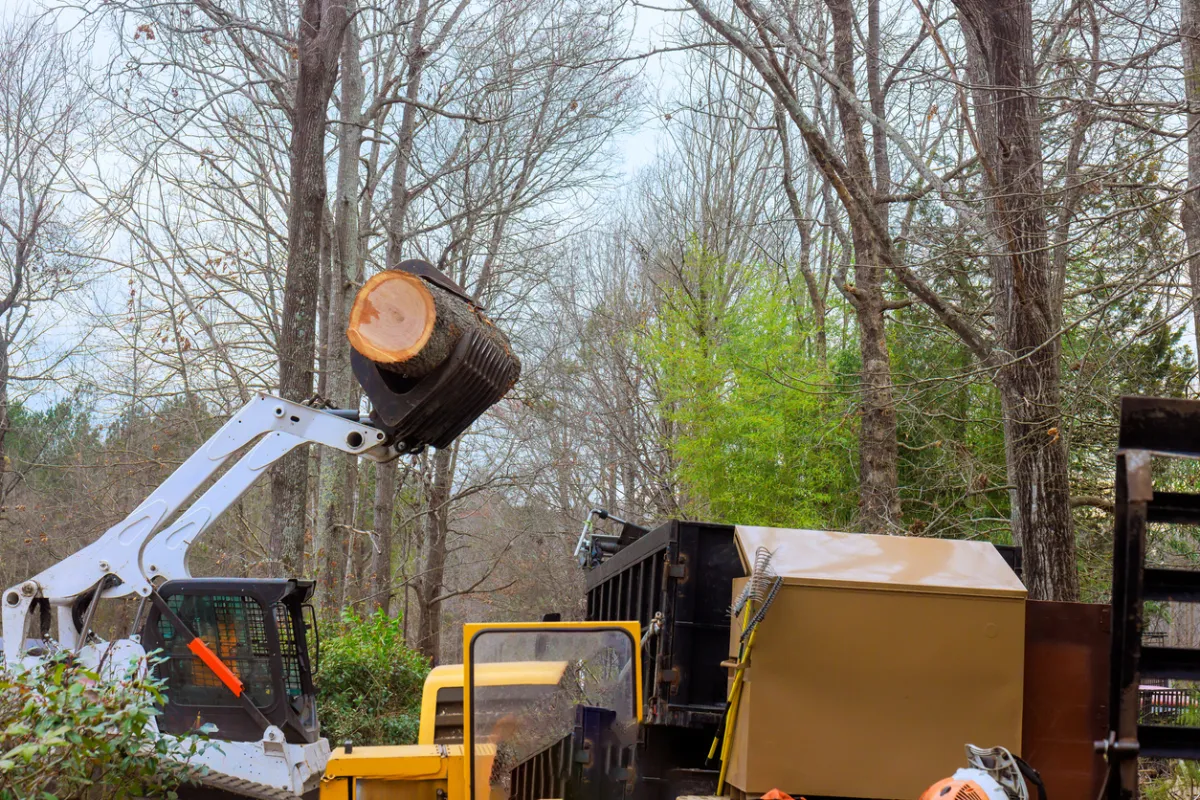
The presence of trees on your property can be a wonderful asset, offering shade, beauty, and a touch of nature. However, there are times when a tree becomes a liability rather than a benefit. Whether it’s due to disease, storm damage, or simply outgrowing its space, the need for removal can become a pressing concern for any homeowner. One of the first questions that arises is inevitably about the cost of tree removal. At Taylor Expert Arborists, we believe in transparency and empowering homeowners with knowledge. The cost isn’t a simple, one-size-fits-all number; it’s a complex calculation influenced by numerous factors.
Furthermore, many homeowners weigh their options between complete removal and other maintenance services. Our comprehensive tree removal services are designed to address a wide range of needs, from routine felling to complex extractions, ensuring you receive the right solution for your specific circumstances.
Why Tree Removal Costs Vary
If you’ve started researching tree removal prices, you’ve likely noticed a significant range in estimates. This isn’t a tactic by tree care companies to confuse you; it’s a reflection of the unique challenges each tree presents. A small, young tree in an open field is a vastly different project than a century-old oak leaning over a house and tangled in power lines. The former might take a small crew a couple of hours, while the latter could be a multi-day project requiring a crane, specialized rigging, and a highly experienced team. Such jobs often require specialized equipment to ensure safety and efficiency.
Think of it like any other specialized trade. The cost is a direct reflection of the labor, equipment, risk, and expertise required to complete the job safely and efficiently. The ultimate cost of tree removal includes all labor, equipment, and risk factors involved. A certified arborist doesn’t just cut down a tree; they analyze its structure, predict its fall path, and dismantle it in a controlled manner to prevent any damage to your property or surrounding infrastructure, highlighting the value of hiring professional tree removal services for complex or hazardous jobs. This level of skill and the heavy machinery involved are primary drivers of the final price.
Average Cost of Tree Removal in the U.S.
While every job is unique, we can provide a general overview of the average tree removal cost based on size. These figures are national averages and can fluctuate based on your location, the local economy, and the specific company you hire. The national average cost for tree removal is typically around $700, which falls within the average price range for similar services across the country. They should be used as a starting point for budgeting purposes. The average cost range for tree removal varies depending on the size and complexity of the tree, with larger or more difficult projects costing more.
Small Trees (Up to 30 feet)
For smaller trees, often those younger than 15-20 years like Crabapples or Japanese Maples, you can expect the cost to range from $200 to $500. These trees are typically easier to manage, require less equipment, and can often be removed by a smaller crew in a short amount of time. The risk is lower, and the cleanup is less extensive.
Medium Trees (30 to 60 feet)
This category includes many common mature trees like Maples, smaller Oaks, and Birches. A mid sized tree typically takes four to eight hours to remove, depending on various factors. The tree removal cost for medium-sized trees generally falls between $500 and $1,500. At this size, the complexity increases. The crew will likely need chainsaws, rigging to lower large limbs safely, and a wood chipper for debris. The time on-site is longer, and the risk factor is moderately higher.
Large / Very Large Trees (Over 60 feet)
Large and very large trees, such as mature Oak, Pine, or Sycamore trees—including tall trees and taller trees—represent the most significant investment due to their increased removal complexity. The cost can range from $1,500 to $3,000 or more. These massive trees often require advanced equipment like a bucket truck or even a crane to safely remove them piece by piece. The project can span a full day or longer, involves a larger, highly skilled crew, and carries the highest level of risk. Removing a large tree or larger trees often requires more time, specialized equipment, and resources. The tree felling cost is just one component; dismantling a tree of this stature is a meticulous process. Removing the entire tree, rather than just limbs or branches, is a more extensive and costly job.
Key Factors That Affect Tree Removal Pricing
The size categories above provide a baseline, but the final quote you receive will be influenced by a detailed assessment of several key factors. There are a few factors—such as tree size, location, and health—that can significantly impact the cost of your tree removal project. Understanding these variables will help you understand your estimate and compare quotes from different companies more effectively.
Tree Size, Type, and Health
As discussed, size is the most significant factor. The tree’s size is a primary determinant of removal cost, as larger trees often require specialized equipment and additional safety measures. We often get asked about the tree removal cost per foot, but this can be misleading. A tall, slender tree might cost less than a shorter, wider tree with a massive canopy that extends over your roof.
The tree’s location—such as proximity to structures, fences, or other obstacles—can further influence the cost due to accessibility and safety concerns. The diameter of the trunk is also a crucial measurement, as it dictates the amount of wood to be processed; both the tree’s trunk and trunk diameter are key factors in determining the difficulty and expense of removal.
The type of tree matters as well. Tree type affects removal difficulty and cost, as hardwoods are generally more challenging and expensive to remove than softwoods, and certain species may require specialized equipment or techniques. Some species have dense, heavy wood that is harder to cut and handle. Others, like certain pines, might be brittle and require a more cautious approach.
The health of the tree is another critical element. Healthy trees can be more challenging and costly to remove than dead or decaying ones due to their structural integrity and resistance. Surprisingly, the cost to remove dead tree vs healthy tree can be higher. A dead or decaying tree is unpredictable. Wood can be rotten, making it unstable and dangerous for climbers. It requires a higher level of expertise and care to dismantle safely.
Location and Accessibility
Where the tree is located on your property is a major cost determinant. A tree in an open yard with no obstacles is straightforward. However, a tree in a tight backyard, close to your house, a neighbor’s fence, power lines, or other structures, dramatically increases the complexity and risk, and extra care must be taken to protect the surrounding property during removal. Specialized rigging techniques are needed to ensure no branches fall and cause damage.
If the tree is inaccessible to heavy machinery like a bucket truck or chipper, the crew will have to perform all the work manually, carrying debris to the street. This added labor will be reflected in the price. If you need to remove multiple trees at once, pricing and logistics may be adjusted, and some companies offer bulk rates or charge per acre depending on the density and type of trees.
Proximity to power lines is a particularly serious concern and requires coordination with utility companies, adding another layer to the project. Removing a tree near a power line is dangerous and can increase costs due to the risk of electrical hazards and the need for professional intervention to prevent accidents and property damage.
Additional Services
The initial quote for tree removal typically covers felling the tree, cutting it into manageable sections (a practice known as bucking), and sometimes hauling the wood away. However, there are several other services that you might need or want, which will add to the total cost.
- Stump Grinding: The main removal process leaves a stump behind. If you want this removed, you’ll need stump grinding service, which is a form of tree stump removal. The process and cost of tree stump removal can vary depending on the size and condition of the stump, as well as the method used.
- Wood Chipping: The branches and smaller limbs can be run through a wood chipper, creating mulch that you can keep for your garden or have hauled away. Limb chipping is a specific service that turns fallen branches into mulch, offering an eco-friendly and cost-effective disposal method, often for an additional fee.
- Log Splitting/Hauling: For large trees, you’ll be left with substantial logs. Some companies will offer to split this into firewood for an extra fee or haul it away.
Debris removal is an important part of the cleanup process after tree removal, and many companies offer this as an additional service to safely clear branches, trunk pieces, and other debris from your property.
Tree stumps left after removal can be challenging to deal with, and tree stump removal depends on factors like the stump’s size, condition, and the removal method chosen.
Stump removal costs typically range from $60 to $350 per stump, and the stump removal cost is usually charged separately from the main tree removal service.
It’s crucial to clarify exactly what is included in your estimate to avoid any hidden costs in tree removal.
Additional Costs to Consider
Beyond the primary factors, a few other potential expenses can arise. These are considered additional costs that may not be included in the initial quote, such as charges for wood chipping, travel, or trunk removal.
All these factors and any additional cost will ultimately determine the final cost of tree removal.
Stump Removal and Grinding
As mentioned, stump removal is almost always a separate line item. How much does it cost to remove a tree stump? The price typically ranges from $100 to $500, depending on the stump’s diameter, age, and accessibility for the grinding machine. The trunk diameter directly affects the difficulty and cost of removal, with larger diameters increasing both the complexity and expense.
Stump removal often requires specialized equipment to complete efficiently. Tree stump removal depends on factors such as the size and condition of the stump, as well as the method used, like stump grinding. While it’s an added expense, removing the stump prevents pest infestations, eliminates a tripping hazard, and allows you to reclaim that part of your yard for lawn or landscaping. Similarly, tree root removal cost can be a factor if surface roots have become a problem, though this is often addressed during the stump grinding process.
Permits
In some municipalities, you may need a permit to remove a tree, especially if it’s over a certain size, is a protected species, or is located in a specific zone (like a “heritage tree”). It is important to obtain proper permits before starting any removal, particularly for heritage trees, as these may be protected by law and require special approval. The cost of the permit itself is usually modest, but the process of obtaining it can add time to the project. A reputable tree service company will be aware of local regulations and can often assist you with the permitting process.
Emergencies
How much does emergency tree removal cost? Due to the immediate and often dangerous nature of the work, emergency services come at a premium. Expect to pay 25-50% more than you would for a scheduled removal. This premium covers the immediate mobilization of a crew (often outside of normal business hours), the heightened risk involved, and the need to work quickly to mitigate further damage. When a tree falls during a storm, the urgency to remove a fallen tree increases, especially if it poses immediate danger to property or blocks access. Fallen trees are generally easier and less expensive to remove than standing trees, as the work often involves less complexity and risk.
Tree Removal vs. Tree Trimming: Understanding the Difference in Cost
Sometimes, a tree doesn’t need to be fully removed. Strategic trimming or pruning can resolve issues like overhanging branches, disease, or poor structure. Overgrown branches and dead limbs are common reasons for trimming, as they can pose hazards or interfere with structures. Regular maintenance also helps prevent damage from fallen branches during storms. The tree trimming vs tree removal cost is significantly different.
Trimming is less labor-intensive and is focused on preserving the tree’s health and appearance. A standard trimming job might cost a few hundred dollars, whereas removal, as we’ve seen, can be much more. It’s always worth consulting with a certified arborist to see if trimming is a viable alternative to removal. This is a key area where tree trimming vs tree removal pricing differences become apparent; one is a maintenance cost, the other a major project.
How to Get an Accurate Tree Removal Estimate Near You
Searching for “tree removal cost near me“ will give you a list of local companies, but getting a reliable estimate requires a more methodical approach.
- Get Multiple Quotes: Always contact at least three reputable, insured tree service providers. Comparing multiple quotes can help you save money on your tree removal project. This will give you a good sense of the fair market rate in your area.
- Request an On-Site Inspection: Do not trust quotes given over the phone. A professional needs to see the tree and its surroundings to assess all the factors we’ve discussed. This is the only way to get an accurate price. Obtaining an accurate estimate from a professional ensures precise pricing based on your specific situation.
- Ask for a Detailed, Written Estimate: The estimate should clearly break down the costs. It should specify what is included (e.g., felling, debris hauling, cleanup) and what is not (e.g., stump grinding). This protects both you and the contractor.
- Verify Insurance and Credentials: This is non-negotiable. The company must have both liability insurance (to cover any damage to your property) and workers’ compensation insurance (to cover its employees in case of an accident). Without the proper training, equipment, and understanding of physics, and without the proper equipment, tree removal can be dangerous and inefficient. Ask for proof.
A tree removal cost calculator online can be a helpful starting point, but it can never replace a professional, on-site assessment.
DIY vs. Professional Removal
In an effort to find the cheapest way to remove a tree on your property, some homeowners consider a DIY approach. DIY tree removal can appear to offer cost savings, but it often comes with significant risks and requires careful consideration of the dangers involved. While this might seem tempting for a very small tree, the professional risks are enormous. Tree removal is one of the most dangerous jobs in the world.
Removing large or hazardous trees requires specialized equipment and expertise that most homeowners do not possess. Without the proper training, equipment, and understanding of physics, a DIY attempt can lead to catastrophic results: severe injury or death, immense property damage, and liability if your actions damage a neighbor’s property, due to the safety risks involved in attempting tree removal without professional help. The cost of a medical emergency or a new roof will far exceed what you would have paid a professional.
Hiring a certified arborist is an investment in safety and peace of mind. For safe and efficient removal, it is highly recommended to use a professional tree service.
Final Thoughts: Choosing the Right Tree Removal Service
The cost of tree removal is a significant but necessary investment in the safety and maintenance of your property. By understanding the factors that influence the price—from size and location to the scope of services required—you can approach the process as an informed consumer. Always prioritize safety by hiring a professional, insured company. Choosing a reputable tree removal company ensures your tree removal job is completed efficiently and that the tree is removed safely. Get multiple written estimates, and don’t be afraid to ask questions. Remember, a professional tree removal job requires expertise and proper planning to remove the tree safely.
At Taylor Expert Arborists, we pride ourselves on providing safe, efficient, and transparent tree removal services. Our certified arborists have the expertise and equipment to handle any project, big or small. If you’re facing a tree-related challenge, we encourage you to contact us for a comprehensive, on-site consultation and a detailed estimate. Let us help you ensure the safety and beauty of your property for years to come.


