


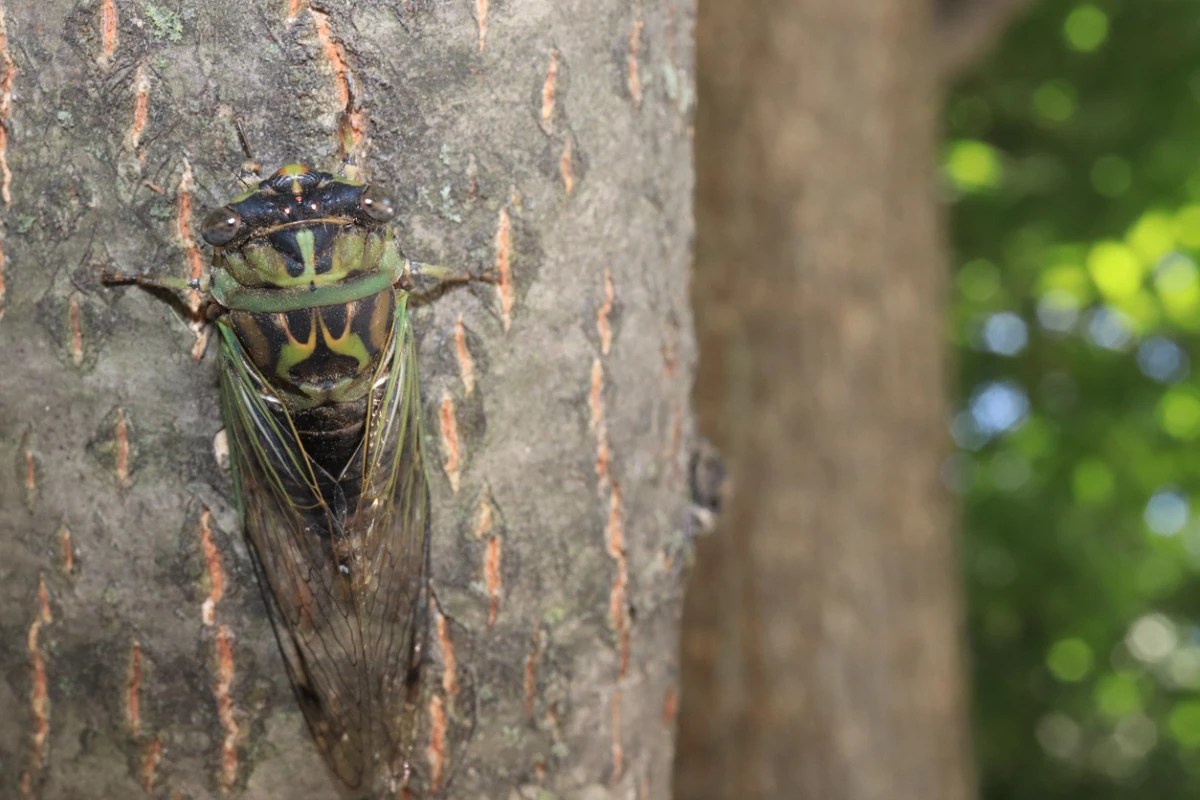
When the heat of summer settles over the landscape, a distinctive, vibrating drone often fills the air. This rhythmic buzzing, sometimes reaching deafening decibels, signals the arrival of one of nature’s most misunderstood insects: the cicada. For many homeowners, this sound triggers immediate concern. At Taylor Expert Arborists, we specialize in helping property owners navigate these natural cycles through professional residential tree services that prioritize long-term vitality.
Before you panic at the first sign of a shell on a trunk, it is important to distinguish between the cicadas-eating-trees myth and the actual biological impact these insects have on your property. In this comprehensive guide, we will explore the lifecycle of the cicada, identify the specific types of cicada tree damage you might encounter, and provide expert strategies for protecting your investment.
The Cicadas Eating Trees Myth vs. Reality
One of the most common misconceptions among homeowners is that cicadas are like locusts, descending in clouds to devour every leaf in sight. To understand why they don’t “eat” trees, we have to look at their biology. Unlike grasshoppers, beetles, or caterpillars, adult cicadas do not have chewing mouthparts (mandibles). They physically cannot bite, chew, or consume foliage.
If you see a tree with large holes in the leaves or missing canopy sections, the culprit is likely a different pest altogether—perhaps Japanese beetles or gypsy moth caterpillars.
How Cicadas Actually Feed
Instead of chewing leaves, cicadas possess a specialized, needle-like mouthpart called a rostrum. Both the subterranean nymphs and the winged adults use this tool to drink xylem—the fluid that transports water and minerals from the roots to the rest of the tree. This is a very low-nutrient diet, consisting mostly of water. Because xylem is so dilute, cicadas must drink large quantities of it to survive.
While this sounds alarming, the amount of fluid an adult cicada consumes is generally negligible to a mature, healthy tree. The cicada impact on trees regarding nutrition is rarely the primary cause of decline. Think of it like a mosquito bite on a human; while it draws a tiny bit of fluid, it doesn’t threaten the overall health of the person unless there are millions of bites or underlying conditions. However, the story changes when we talk about the physical process of reproduction, which is where the real potential for harm lies.
The Role of Nymphs in the Soil
Before they emerge as the loud, winged insects we recognize, cicadas spend years underground—sometimes 13 or 17 years for periodical broods. During this phase, they attach themselves to tree roots and feed on the sap. In a healthy ecosystem, this underground feeding is a natural part of the tree’s life cycle. However, if a tree is already struggling due to drought, soil compaction, or disease, the cumulative stress of thousands of nymphs feeding on the root system can hinder growth. This is why a regular tree health inspection is so critical; it allows professionals to identify hidden stressors before an emergence occurs and mitigate the stress.
Identifying Cicada Tree Damage
If cicadas don’t eat the leaves, why do branches often turn brown and break during a “cicada year”? The answer lies in how the females lay their eggs. This process, known as oviposition, is the primary source of cicada damage to tree branches.
The Mechanism of Damage
Once mating is complete, the female cicada seeks out young, tender twigs—usually about the diameter of a pencil (1/4 to 1/2 inch). Using a saw-like organ called an ovipositor, she cuts longitudinal slits into the bark of the branch to deposit her eggs. A single female can lay hundreds of eggs, creating a series of deep, scarred gashes along several different branches.
These slits physically weaken the structural integrity of the wood. It creates a perforation line, much like the edge of a postage stamp. On a large, mature tree, this may result in a phenomenon known as “flagging.”
What is Flagging?
Flagging occurs when the tips of branches die back because the water-conducting tissue has been severed by the egg-laying process. The leaves on the end of the branch turn brown, and the branch eventually snaps at the site of the slits, often dangling from the tree. From a distance, it looks like the tree is covered in small, brown “flags.” While this can be unsightly, it is often described as “nature’s pruning.” For a healthy, established tree, losing the tips of its branches to cicadas is rarely fatal. In fact, it can sometimes stimulate new growth in the following season by encouraging the tree to produce more lateral shoots.
When Cicada Impact on Trees Becomes Severe
The situation is significantly more dangerous for young or newly planted trees. Because a sapling has fewer branches and a less established root system, the extensive “pruning” caused by cicadas can lead to stunted growth or even the death of the tree. If the main leader (the central upright stem) of a young tree is damaged, the entire shape and future stability of the tree can be compromised. This is why younger landscapes require much more aggressive protection strategies during emergence years.
Which Species are at Risk?
Not all trees are created equal in the eyes of a cicada. While they are known to use over 200 different plant species for egg-laying, they definitely have favorites. Understanding these preferences helps you prioritize your protection efforts.
Deciduous Favorites
Cicadas generally prefer deciduous hardwood trees with smooth bark or thin twigs that are easy to pierce. Their favorites include:
- Oaks and Maples: These are staple hosts for many cicada broods. The structure of their terminal twigs is perfect for oviposition.
- Fruit Trees: Cherries, apples, peaches, and pears are highly susceptible. For commercial or home orchards, cicadas can cause a significant loss in future fruit-bearing wood.
- Hickories and Walnuts: Their sturdy but accessible branches make them ideal nurseries.
- Ornamentals: Dogwoods, Redbuds, and Serviceberries are frequently targeted due to their smaller stature and tender wood.
- Birches and Beeches: The smooth bark of younger branches is particularly inviting for female cicadas.
Trees Generally Avoided
Cicadas typically avoid evergreens (conifers) like pines, spruces, and firs. There are a few reasons for this:
- Resin: The sticky resin and sap produced by these trees can trap the insects or gum up their ovipositors, making them poor choices for egg-laying.⁷
- Needles: The needle structure of the foliage makes it harder for the insects to navigate and find suitable wood.
- Bark Texture: Trees with very thick, corky bark are often spared because the females cannot easily penetrate the surface to reach the soft wood beneath.
Annual vs. Periodical Cicadas
To manage the effects of cicadas on tree health effectively, you must know which type of cicada is visiting your property. There are two main categories: annual and periodical.
Annual Cicadas (Dog-Day Cicadas)
These appear every year in smaller numbers, usually in late July and August. They are often larger, greenish-black, and have a more “buzzing” or “whirring” song. Because their population density is relatively low, the damage they cause is minimal. They are a natural part of the summer landscape, and while you might see a few “flagged” branches, it rarely requires intervention.
Periodical Cicadas (13-year and 17-year Broods)
These are the famous “Broods.” They emerge in massive, synchronized numbers—sometimes reaching millions of insects per acre. They have black bodies, red eyes, and orange wing veins. Because the sheer volume of egg-laying is so concentrated, the potential for cicada tree damage is exponentially higher during these emergence years. When a major brood is predicted, homeowners with young landscapes should be on high alert.
How to Protect Your Trees from Cicada Damage
Prevention is always more effective than trying to repair damage after the fact. If you know a periodical brood is coming, or if you simply want to protect your vulnerable saplings, consider these expert-backed strategies.
1. Protective Netting (The Gold Standard)
For small trees and shrubs, the most effective protection is physical exclusion. Covering your trees with fine mesh netting (holes smaller than 1/4 inch) prevents the females from reaching the branches to lay eggs.
- Timing: Install the netting as soon as you hear the first male cicada singing (the “chorus”).
- Method: Drape the netting over the entire canopy. Secure the netting tightly around the trunk at the base using zip ties or twine to prevent insects from crawling up inside the mesh.
- Removal: Once the adult cicadas have died off (usually 4–6 weeks later), remove the netting promptly to allow for proper airflow and to prevent the mesh from girdling new growth.
2. Strategic Planting and Timing
If you are planning to add new trees to your landscape and a major cicada emergence is predicted for the following year, it may be wise to delay planting.
- Wait for the Brood: Planting in the fall after an emergence or the following spring gives the tree more time to establish.
- Established trees are safer: Large, established trees can handle the stress; newly transplanted saplings cannot. Giving a tree a year or two to establish its root system before facing a cicada brood can make a massive difference in its survival rate.
3. Pruning Adjustments
While it may seem counterintuitive, avoiding heavy pruning right before a cicada emergence can be beneficial.
- Distraction: Having more “expendable” small branches provides the cicadas with more targets, potentially spreading out the damage and sparing the tree’s primary structural branches.
- Post-Emergence Pruning: After the emergence is over and the flagging has occurred, you can then perform professional pruning to remove the damaged tips. This ensures the tree doesn’t waste energy trying to heal wood that is too far gone.
4. Avoiding Chemical Pesticides
Many homeowners’ first instinct is to spray. However, using broad-spectrum insecticides to control cicadas is generally discouraged for several reasons:
- Ineffectiveness: Cicadas are strong fliers and emerge in such vast numbers that new individuals from the neighborhood will simply replace those killed by the spray.
- Harm to Beneficials: Pesticides often kill the natural predators of cicadas, such as birds, spiders, and cicada-killer wasps.
- Short Residual Life: Most consumer-grade sprays don’t last long enough to cover the entire 4-6 week emergence period, requiring repeated applications that harm the environment.
Helping Your Trees Recover
Once the buzzing stops and the ground is littered with the remains of the adult cicadas, your job as a steward of your landscape begins. The recovery phase is vital for ensuring long-term tree health.
Addressing the Flagging
If your trees have experienced significant flagging, don’t worry. In most cases, the dead tips will eventually fall off on their own. However, if the damage is extensive on a high-value ornamental or fruit tree, you should manually prune the damaged twigs.
- Where to Cut: Prune about 6 inches below the last egg-laying slit.
- Why Prune: This prevents the wound from becoming an entry point for secondary infections, fungi, or wood-boring insects.
Nutrition and Hydration
Since cicada nymphs feed on the roots and adults drink the sap, the tree has lost some of its internal resources. To compensate:
Watering: Ensure your trees receive deep, consistent watering. Aim for 1 inch of water per week, especially during dry spells in the late summer and autumn following an emergence.
- Mulching: Apply a 2-3 inch layer of organic mulch around the base of the tree. This mimics a forest floor, retaining moisture and regulating soil temperature.
- Fertilization: Based on a soil test, a balanced, slow-release fertilizer can provide the nutrients needed to repair damaged tissues. However, avoid high-nitrogen fertilizers late in the season, as this can stimulate soft new growth that won’t harden off before winter.
Monitoring for Secondary Issues
Weakened trees are more attractive to opportunistic pests and diseases. Keep a close eye on your trees for several seasons following a major cicada event. Look for:
- Fungal Cankers: Wounds from egg-laying can sometimes develop into cankers.
- Boring Beetles: Certain beetles are attracted to the stress signals emitted by damaged trees.
- Stunted Leaf Growth: If the tree’s canopy looks sparse the following year, it may need professional intervention.
Why Professional Inspection is Key
While most mature trees can handle a cicada emergence, the cumulative effect of pests, weather, and age can be complex. You might look at a tree and see “cicada damage,” but a professional arborist might see underlying issues—like root rot or structural weakness—that made the tree vulnerable in the first place.
At Taylor Expert Arborists, we provide the expertise needed to distinguish between temporary aesthetic issues and structural threats. Whether it’s evaluating the cicada impact on trees or preparing your property for the next major weather event, our team is dedicated to the science of tree care.
Understanding the Impact
As we’ve explored, cicadas don’t eat your trees. They use them. The relationship is complex, involving years of underground feeding and a few weeks of intense reproductive activity above ground. By understanding their lifecycle, you move from fear to informed observation.
Don’t wait for branches to start flagging. Proactive care is the hallmark of a responsible property owner. Whether you need a simple consultation or a comprehensive maintenance plan, the experts are ready to assist.
The Ecological Benefits of Cicadas
It is easy to view cicadas strictly as pests, but they play a vital role in the health of our forest ecosystems. Understanding their benefits can help soften the frustration of a “cicada year.”
Soil Aeration
When the nymphs emerge from the ground, they create millions of tiny tunnels. This naturally aerates the soil, allowing oxygen, water, and nutrients to reach tree roots more effectively. This “natural tilling” is incredibly beneficial for compacted urban and suburban soils.
A Massive Nutrient Flush
After the adults mate and die, their bodies decompose on the forest floor. They are essentially “living fertilizer.” As they break down, they provide a massive, sudden influx of nitrogen and other essential nutrients back into the soil. Research has shown that forest trees often show a significant “growth spurt” in the year following a major cicada emergence.
A Feast for Wildlife
Cicadas are a “pulse” food source. Birds, squirrels, raccoons, and even fish gorge themselves on the high-protein insects. This abundance can lead to higher survival rates for the offspring of these predators, boosting local biodiversity for years to come.
Conclusion
So, do cicadas damage or eat trees? No, they don’t eat them, but their reproductive habits can certainly leave a mark. For the average mature tree, cicadas are a temporary nuisance—a loud, crunchy, and slightly messy reminder of the rhythms of nature. For the young, vulnerable saplings that represent the future of your landscape they are a significant challenge that requires careful management.
At Taylor Expert Arborists, our mission is to preserve the beauty and safety of your outdoor spaces. We understand the local ecosystem and the specific challenges that come with each season. Our comprehensive tree health inspection services are designed to give you peace of mind and your trees the best possible care.
Ready to protect your green investment? Contact us today to schedule a consultation with one of our certified arborists. Together, we can ensure your trees stand tall and healthy, no matter what the summer buzz brings. Whether it’s cicada season or storm season, Taylor Expert Arborists is your partner in professional tree care.


