


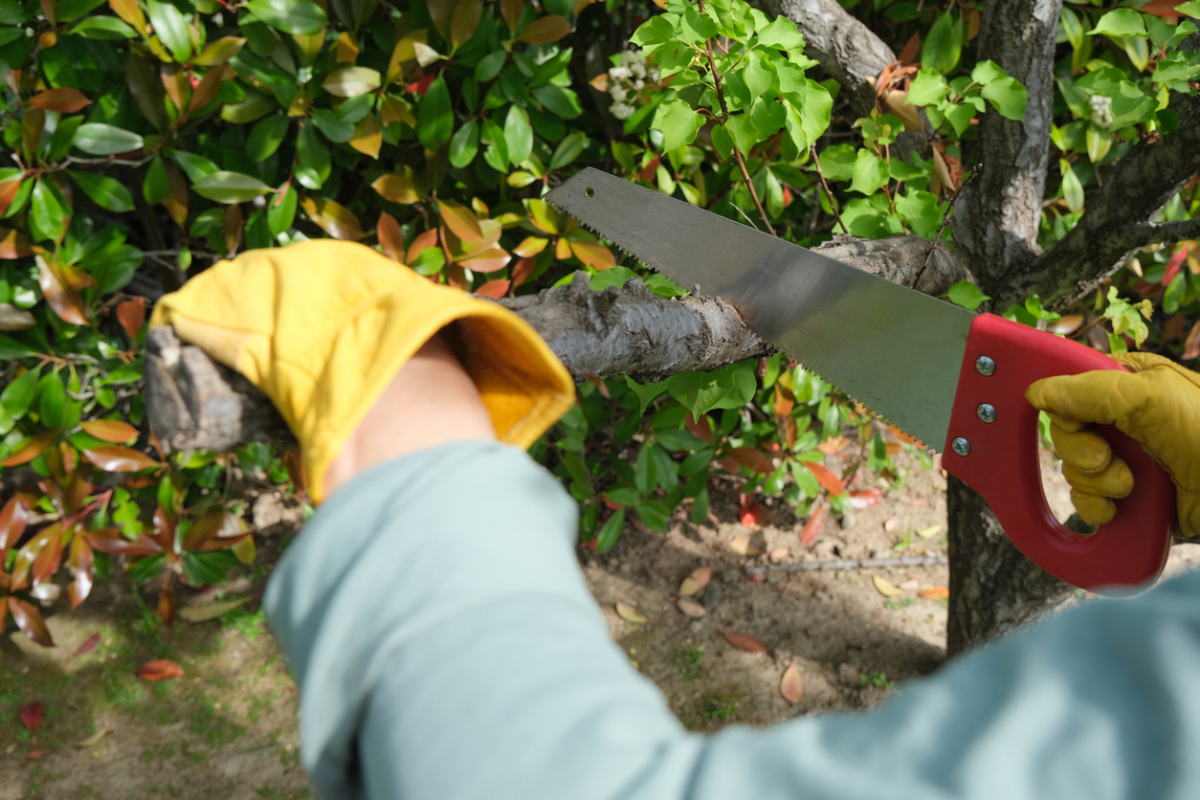
Dead limbs hanging in your canopy are more than an eyesore. They are a ticking clock for storm damage, pest invasion, and slow decay that can compromise an otherwise healthy plant. The short answer to whether cutting off dead branches helps a tree is a confident yes, but the way you prune matters just as much as the decision to prune at all.
Key Takeaways
- Removing dead branches reduces the risk of falling limbs that threaten property and people, especially during severe storms and winter ice events.
- Proper pruning helps trees seal wounds faster, limits decay from spreading into the trunk, and lets both young trees and mature trees direct energy toward healthy growth.
- Dead branches attract insects and fungi, turning minor issues into major tree health problems if left unaddressed.
- Homeowners can safely remove dead wood on small, low branches, but larger branches and anything near power lines or roofs should be handled by a certified arborist.
- Routine deadwood removal every 3–5 years keeps trees healthy, improves curb appeal, and can extend a shade tree’s productive lifespan.
Why Trees Develop Dead Branches
Even healthy, mature trees regularly shed branches. It is a normal part of resource allocation: the tree shuts down shaded, unproductive inner limbs so more water and nutrients flow to sunlit outer foliage. Trees waste energy supporting dead wood, so this natural thinning is actually efficient self-pruning.
Common triggers for dying branches include:
- Lack of sunlight inside a dense canopy
- Drought stress or soil compaction around roots
- Mechanical injury from mowers or string trimmers
- Past storm damage that weakened attachment points
Clusters of dead branches high in the crown, sudden top dieback, or many dead limbs on one side can signal deeper issues like root damage or trunk decay. A few scattered dead branch tips are often normal, but widespread deadwood may indicate a declining or potentially dead tree that needs professional evaluation.
How to Tell if a Branch Is Truly Dead
Before you decide to prune, make sure the branch is actually dead and not simply dormant, especially in late winter and early spring when buds have not yet opened.
- Scratch test: Use a fingernail or small knife to scrape a thin strip of bark on a twig. Live tissue glistens green and feels moist. A dead branch reveals dry, brown wood beneath the bark.
- Bend test: Live twigs flex under gentle pressure. Dead twigs snap cleanly with a dry, brittle break.
- Visual clues: No buds swelling in April or May, shriveled or missing buds, peeling bark, and branches that have lost all smaller side twigs.
Some species leaf out late. Oaks and certain ornamental trees can look bare well into spring. Know your tree before declaring a branch dead.
Does Cutting Off Dead Branches Help Tree Health?
Yes. Pruning dead branches improves tree health and growth in almost every scenario when cuts are made correctly. Dead wood no longer transports water or nutrients, so leaving it in place does not feed the tree. Instead, it opens a pathway for rot to spread into healthy trunk tissue.
Cutting techniques influence tree healing after pruning. A pruning cut made just outside the branch collar allows the tree to compartmentalize the wound and produce callus tissue that gradually seals the exposed surface. Flush cuts or long stubs interfere with this process and invite chronic decay.
On both young trees and older shade trees, clearing dead branches improves light penetration and airflow through the canopy, which reduces moisture-loving fungi and encourages vigorous new growth. Pruning enhances air circulation and sunlight exposure in trees, supporting stronger foliage and better overall vigor. Removing dead branches helps trees seal wounds and avoid decay, and studies show that trees not pruned for over 10 years are 10% worse in health compared to regularly maintained specimens. Routine deadwood removal every 3–5 years can meaningfully slow internal decay in residential shade trees.
Safety Reasons to Remove Dead Branches
Dead branches can break during storms, threatening property and people. They are dry, lighter, and structurally weak, which means they can fall without warning during a nasty storm, heavy wind, or even a calm day. Dead branches can snap under snow weight just as easily as they break in summer thunderstorms.
Pruning reduces the risk of falling branches in high-traffic areas. Large dead limbs above 2–3 inches in diameter can cause significant damage if they drop onto a roof, vehicle, or play area. Overgrown limbs can interfere with power lines, creating fire and electrical hazards. Neglected trees can cause over $1 billion in property damage annually across the United States.
High-risk situations include:
- Dead limbs over driveways, patios, or parking areas
- Branches hanging over sidewalks or public walkways
- Deadwood rubbing against power or communication lines
- Cracked or hanging “widowmaker” branches high in the canopy
If you see any of these, schedule a professional inspection before the next storm season.
How Deadwood Affects Pests, Disease, and Decay
Dead branches are an easy entry point for organisms that can spread into living parts of the tree. Dead branches can attract decay-causing pests like fungi and insects. Exposed cracks in dead wood hold moisture, creating ideal conditions for wood-decay fungi to colonize and gradually hollow out sections of a branch or trunk. Dead branches can lead to fungal infections and structural failure if left unchecked over multiple seasons.
Wood-boring beetles, carpenter ants, and bark beetles prefer dead or dying wood. Once established, these pests can extend into live tissue and weaken larger branches, increasing breakage risk. In oaks, for example, dead branches attract bark beetles that vector oak wilt fungus, one of the most destructive tree diseases in the eastern United States.
That said, small amounts of deadwood can provide habitat for beneficial organisms like cavity-nesting birds and certain pollinators. The goal is not to strip every twig, but to remove dead or diseased branches that pose a risk to tree health or safety. Cutting out dead and diseased limbs early is one of the simplest ways to slow or stop common tree problems.
Pruning Young Trees vs. Mature Trees
Young trees and large trees need different approaches. Prune young trees to establish a strong branch structure by:
- Establishing a single dominant leader
- Removing broken, crossing, or competing branches early
- Keeping temporary lower limbs short until the trunk thickens
- Never removing more than about one third of the live crown in a year
Remove no more than one-fourth of a tree’s branches at once to avoid over-stressing the plant. Excessive pruning can stress trees and limit energy production, especially in a young tree still building its root system.
For mature trees, structural pruning should give way to targeted deadwood and risk-reduction work. Focus on dead branches, weakly attached limbs, storm damage cleanup, and minor thinning for airflow. Pruning improves sun exposure and air circulation in trees of all ages, but repeated removal of large live branches on older trees can shorten lifespan. Regular small cuts and deadwood removal are far better than infrequent heavy pruning. Any work requiring climbing or removal of heavy branches is best handled by an ISA Certified Arborist.
How to Safely Remove Small Dead Branches Yourself
This section applies to low, reachable dead branches under roughly 2 inches in diameter, well away from power lines and structures.
Basic tools:
- Sharp bypass hand pruners for twigs
- Loppers for branches up to about 1½ inches
- A small pruning saw for slightly larger wood
Step by step:
- Assess where the entire branch will fall and clear the area on the ground.
- For branches over 1½ inches, use a three-cut method: make a shallow undercut on the underside a few inches from the branch collar to prevent ripping bark.
- Make a second cut from the top, slightly farther out, to remove the weight.
- Finish with a clean final cut just outside the swollen branch collar, preserving the collar tissue so the wound left behind can seal properly.
Never cut flush into the trunk. Never leave a long stub. Wear eye protection and gloves, keep both feet on the ground, and avoid cutting branches above your head that you cannot fully control.
When to Call a Professional Arborist
Many dead branch removals are not safe DIY projects. Call a certified arborist when you encounter:
- Tree branches within 10 feet of power lines
- Dead limbs over roofs, sheds, or vehicles
- Branches thicker than about 4 inches in diameter
- Trees with visible cracks, leaning trunks, or root damage
A professional can provide a full tree health assessment, safe rigging to lower heavy branches without causing damage, and pruning that follows ANSI A300 industry standards. Routine professional pruning every few years can reduce storm damage, extend the life of valuable shade trees, and often costs far less than repairing a roof after a limb fails. Schedule inspections in late winter or early spring so dangerous deadwood is removed before severe storm seasons.
Best Time of Year to Remove Dead Branches
Truly dead branches can be pruned any time of year, but some seasons offer advantages. Late winter-February through March in most U.S. regions-is ideal because trees are dormant, the branch structure is easy to see without foliage, and cuts begin sealing as early spring growth starts. Prune deciduous trees between late fall and early spring for the best results on live wood.
Dead branch removal during summer is acceptable for security reasons, such as after storm damage, but avoid heavy live-wood pruning during extreme heat or drought. Avoid major pruning in late summer and early fall, when new growth may not harden before autumn frost. Removing obviously dead wood in late fall or winter is usually fine regardless.
Some species like oaks and elms have specific timing windows to reduce disease transmission. A local arborist can advise on your region and species.
How Regular Deadwood Pruning Improves Appearance and Value
Pruning enhances a tree’s natural shape and beauty, keeping the canopy outline clean and the silhouette balanced. Removing ragged, broken branch tips and clearing interior dead wood improves light reaching turf or garden beds below, supporting the selective removal of material that no longer serves the tree.
Pruning enhances the tree’s appearance and landscape value in measurable ways. Healthy trees can increase property value by $7,130 according to real estate research. Regular pruning can return vitality to trees and enhance aesthetics, and even modest maintenance on a fruit tree or flowering ornamental can improve bloom quality and yield in subsequent seasons. Pruning can help create well-defined shapes like bonsai trees or maintain the natural shape of a large pine or shade tree in a front yard.
Think of periodic dead branch removal as an ongoing landscape investment that protects your property, keeps your trees in good health, and adds real beauty to your home, not just an emergency repair after storms.


