


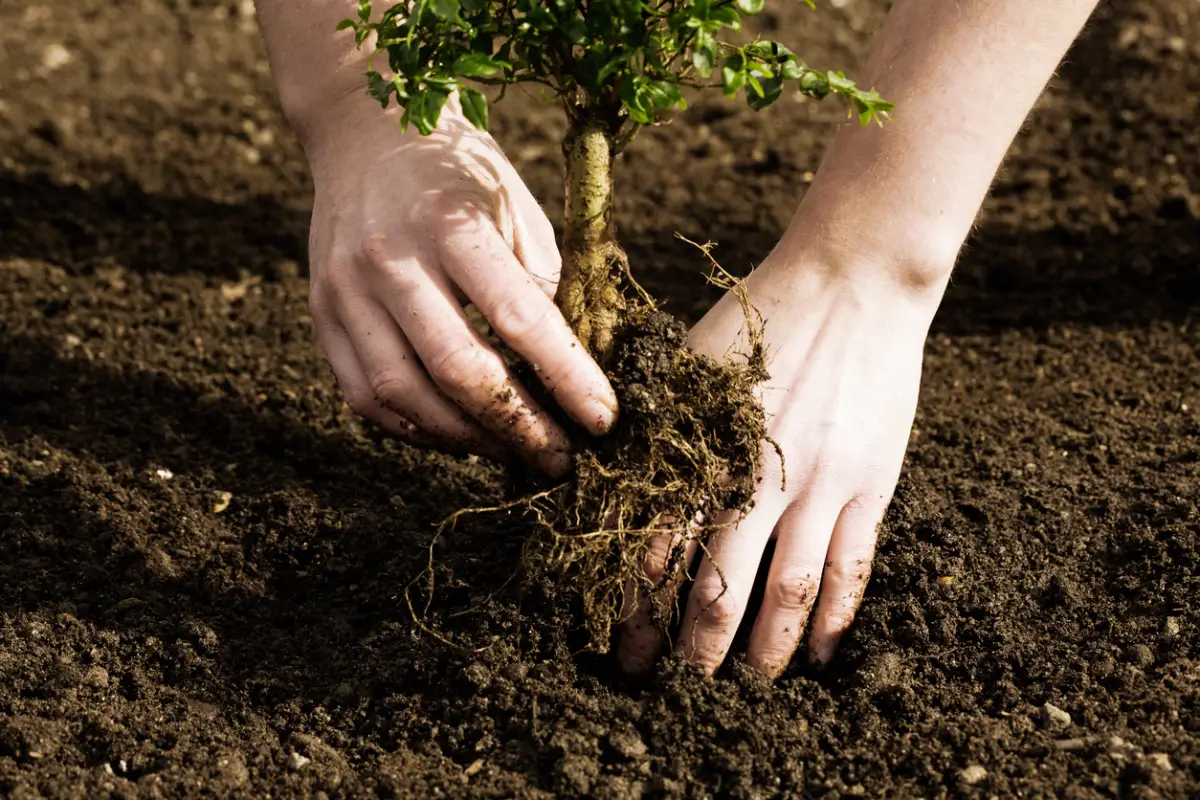
We often view trees as beautiful background scenery, but they operate as hard-working, essential infrastructure for our planet. From cleaning the air we breathe to boosting the value of our homes, the impact of a single tree ripples outward, affecting our health, our wallets, and the global climate. Of course, maintaining the majestic canopy we already possess is critical. Ensuring your existing landscape thrives through a professional tree health inspection remains a top priority for any responsible homeowner. Yet, adding new life to our neighborhoods by actively planting saplings is equally vital for securing a sustainable future.
Whether you manage a sprawling commercial property or simply want to improve your suburban backyard, understanding the full spectrum of benefits can inspire you to pick up a shovel. In this comprehensive guide, we will explore exactly why planting trees is important, diving deep into the environmental, economic, and social advantages that these incredible organisms provide.
Why Planting Trees Is Important: A Global Perspective
Before we look at the specific, localized advantages of planting trees, we must zoom out and understand their role on a global scale. We currently face unprecedented environmental challenges, characterized by rapidly shifting climates, widespread deforestation, and expanding urban development. As we pave over natural landscapes to accommodate growing populations, we lose the earth’s natural regulatory systems.
Trees act as the lungs of our planet and the anchors of our ecosystems. They represent a living, breathing solution to some of the most complex problems we face today. When we plant a tree, we take a localized action that contributes to a massive, global defense system. This act pushes back against soil degradation, slows the alarming rate of species extinction, and creates a buffer against extreme weather events.
Understanding why planting trees is important requires us to view them not just as plants, but as active participants in the earth’s survival mechanism. They regulate the water cycle, maintain the balance of atmospheric gases, and provide the foundational habitat for terrestrial life. Every sapling placed in the ground represents a long-term investment in the resilience of our planet.
The Profound Environmental Benefits of Trees
When most people consider the advantages of planting trees, environmental impact immediately comes to mind. The ecological services that trees provide happen silently and continuously, working around the clock to repair and maintain the natural world.
Purifying the Air We Breathe
The air quality in our modern world frequently suffers due to industrial emissions, vehicle exhaust, and other human activities. Trees serve as extraordinary natural air filters. Through the process of respiration, leaves absorb harmful pollutants, including nitrogen oxides, ammonia, sulfur dioxide, and ozone. The tree traps these toxic particulates on its leaves and bark, preventing them from entering our lungs.
Furthermore, trees perform the miraculous task of photosynthesis, absorbing carbon dioxide and releasing fresh, pure oxygen back into the atmosphere. A single mature leafy tree can produce enough oxygen in a season to support two human beings for a full year. By actively planting trees in heavily populated areas, we directly combat smog and drastically improve the respiratory health of the surrounding community.
Combating Climate Change
Perhaps the most universally recognized environmental benefit of trees involves their ability to fight global climate change. Excess carbon dioxide acts as a greenhouse gas, trapping heat within the earth’s atmosphere and driving up global temperatures. Trees act as massive carbon sinks. As they grow, they pull carbon dioxide from the air, utilizing the carbon to build their trunks, branches, leaves, and root systems.
A single mature tree can absorb nearly fifty pounds of carbon dioxide per year. Over a lifetime, that tree will sequester roughly one ton of carbon. When we multiply this effect by millions of newly planted trees, the impact becomes staggering. Reforestation and urban tree planting initiatives represent one of the most cost-effective and efficient methods available for reducing our global carbon footprint and stabilizing the climate.
Supporting Vital Ecosystems and Wildlife
Every tree you plant immediately becomes a cornerstone for a micro-ecosystem. Trees provide essential food and shelter for an incredibly diverse array of wildlife. Birds build their nests in the high branches, while squirrels and other small mammals seek refuge in the trunk’s hollows. The flowers of the tree provide crucial nectar for bees, butterflies, and other essential pollinators.
Even after a tree dies, its decaying wood continues to support life, offering a habitat for beneficial insects and nutrient-rich organic matter for fungi. By planting a variety of native tree species, we create biological corridors that allow wildlife to safely navigate and thrive, even in highly developed urban and suburban areas. This biodiversity is crucial for maintaining the delicate balance of our local environments.
Conserving Water and Preventing Soil Erosion
Trees play a masterful role in managing water resources. A large, leafy canopy acts like a giant umbrella during heavy rainstorms. It intercepts the falling rain, breaking the force of the water and allowing it to gently trickle down to the earth below. This process prevents heavy downpours from immediately washing away the vital topsoil.
Beneath the surface, a tree’s extensive root system acts like a net, gripping the soil tightly and preventing erosion, particularly on steep slopes and near waterways. Furthermore, these roots help the soil absorb more water, replenishing underground aquifers and significantly reducing the risk of flash flooding in surrounding areas. The water absorbed by the tree is eventually released back into the atmosphere as water vapor through a cooling process known as evapotranspiration.
The Remarkable Economic Benefits of Planting Trees
While the environmental impact often takes center stage, the economic benefits of planting trees present an equally compelling argument. Strategic landscaping and urban forestry yield tangible, measurable financial returns that benefit individual property owners, businesses, and entire municipalities.
Increasing Property Value
Real estate professionals consistently note that well-landscaped properties with mature, healthy trees command significantly higher market prices than properties lacking a leafy canopy. A beautiful tree in the front yard drastically improves a home’s curb appeal, creating a welcoming and established aesthetic that immediately attracts potential buyers.
Studies consistently indicate that large trees can increase a property’s overall value by up to fifteen percent. Buyers perceive neighborhoods with tree-lined streets as safer, more affluent, and more desirable. Therefore, the relatively small cost of purchasing and planting a sapling today translates into a massive return on investment when it comes time to sell your property in the future.
Reducing Energy Costs
One of the most immediate and practical economic benefits of planting trees involves their impact on our monthly utility bills. When strategically placed around a home or commercial building, trees act as natural climate control systems.
Deciduous trees—those that lose their leaves in the winter—should be planted on the southern and western sides of a building. During the scorching summer months, their broad leaves provide dense shade, blocking the sun’s harsh rays from hitting the roof and windows. This natural cooling effect drastically reduces the workload on air conditioning systems, leading to substantial savings on electricity bills. Conversely, in the winter, these trees drop their leaves, allowing the warm sunshine to filter through and naturally heat the home.
Evergreen trees, planted on the northern side of a property, serve a different but equally important purpose. Their dense foliage acts as a powerful windbreak, shielding the home from freezing winter winds. This barrier prevents cold air from stripping heat away from the building’s exterior, significantly lowering winter heating costs.
Boosting Local Businesses and Commerce
The economic advantages extend beyond residential properties and directly impact local commerce. Urban planners and retail analysts have discovered a fascinating psychological phenomenon: people genuinely prefer to shop and spend time in areas with abundant greenery.
Commercial districts featuring tree-lined sidewalks and shaded parking areas experience higher volumes of foot traffic. Shoppers tend to linger longer, browse more thoroughly, and ultimately spend more money in businesses located in these inviting environments. The presence of trees signals a well-maintained, high-quality commercial district, encouraging consumers to view the local businesses more favorably. For municipalities, investing in urban forestry directly translates into a more vibrant, profitable local economy.
The Deep Social Benefits of Trees
Beyond saving money and cleaning the air, the social benefits of trees profoundly impact our daily human experience. The presence of nature in our living spaces alters our psychology, our physical health, and how we interact with our neighbors.
Enhancing Physical and Mental Health
Modern life often disconnects us from nature, leading to increased stress, anxiety, and mental fatigue. The simple act of spending time around trees serves as a powerful antidote to these modern ailments. Medical studies consistently demonstrate that visual exposure to trees lowers blood pressure, reduces the production of stress hormones like cortisol, and slows a racing heart rate.
The concept of “forest bathing”—spending intentional, mindful time in wooded areas—has gained immense traction as a legitimate therapeutic practice. Furthermore, neighborhoods with ample tree cover encourage active lifestyles. When streets are shaded and beautiful, residents are far more likely to go for walks, jog, or ride bicycles, directly contributing to lower obesity rates and improved cardiovascular health within the community. Hospital patients who have a view of trees from their windows even recover from surgeries faster and require less pain medication than those looking at brick walls.
Fostering Community Connection
Trees serve as natural gathering points, helping to forge stronger bonds within a community. Think about the most popular public parks in any major city; their defining feature is almost always a grand canopy of mature trees.
These shaded areas provide comfortable spaces for families to picnic, children to play, and neighbors to stop and converse. By transforming harsh, sun-baked environments into comfortable oases, trees encourage people to step out of their homes and interact with one another. This increased interaction builds social cohesion, fosters a sense of shared community pride, and creates neighborhoods where residents actively look out for one another.
Reducing Crime Rates
One of the most surprising advantages of planting trees relates to public safety. While one might assume that dense vegetation could provide hiding spots for criminal activity, sociological studies reveal the exact opposite. Neighborhoods with high levels of well-maintained tree cover consistently report significantly lower rates of violent crime, vandalism, and property theft.
Researchers attribute this phenomenon to the “cues to care” theory. A well-landscaped, heavily treed neighborhood signals to potential offenders that the residents care deeply about their environment and are actively monitoring their surroundings. Furthermore, because trees encourage more people to spend time outside, there are simply more “eyes on the street,” creating a natural surveillance system that deters criminal behavior.
The Unexpected Advantages of Planting Trees in Urban Spaces
City living presents a unique set of harsh environmental challenges. Concrete, asphalt, and towering glass structures create environments that can be hostile to human comfort. Introducing trees into these densely populated urban centers provides highly specialized benefits.
Mitigating the Urban Heat Island Effect
Cities suffer from a phenomenon known as the urban heat island effect. Dark surfaces like roads and rooftops absorb massive amounts of solar radiation throughout the day and slowly release that heat back into the air at night. This process causes urban centers to be significantly hotter than surrounding rural areas, leading to dangerous heat waves and drastically higher energy consumption.
Trees are the ultimate weapon against the urban heat island effect. Their canopy provides direct shade to the pavement below, preventing the concrete from absorbing the heat in the first place. Additionally, the process of evapotranspiration—where trees release moisture from their leaves into the air—acts like an enormous, natural evaporative cooler, physically lowering the ambient temperature of the surrounding city blocks.
Reducing Noise Pollution
The constant hum of city life—blaring sirens, roaring traffic, and heavy construction—causes significant auditory stress for urban residents. Trees function as highly effective, natural sound barriers.
When sound waves travel toward a stand of trees, the leaves, twigs, and branches absorb, deflect, and scatter the acoustic energy. A dense buffer of trees planted along a busy highway or industrial zone can drastically reduce the volume of noise that reaches nearby residential neighborhoods. The psychological relief provided by replacing the harsh sounds of traffic with the gentle rustling of leaves cannot be overstated.
How to Maximize the Benefits of Planting Trees
Understanding the benefits is only the first step. To truly harness the power of trees, you must approach the planting process with intention and knowledge. Slapping any random sapling into the dirt rarely yields the desired long-term results.
Choosing the Right Tree for the Right Location
The most critical decision you make happens before you even pick up a shovel. You must match the specific characteristics of the tree to the realities of your planting site. You need to consider the mature size of the tree; a small sapling might look perfect near your foundation today, but its aggressive root system could threaten your plumbing in twenty years.
You must also evaluate the soil type, the amount of daily sunlight the area receives, and your specific climate zone. Whenever possible, prioritize planting native tree species. Native trees have evolved over thousands of years to thrive in your exact local conditions. They require less water, resist local pests and diseases naturally, and provide the most appropriate food sources for local wildlife.
Proper Planting Techniques
The day you plant your tree heavily influences its entire lifespan. Digging a hole that is too deep represents one of the most common and fatal mistakes made by homeowners. The hole should be two to three times wider than the tree’s root ball, but no deeper. The top of the root flare—the area where the trunk widens at the base—should sit slightly above the surrounding soil level to prevent trunk rot.
You must handle the root ball with extreme care, gently teasing apart any roots that have started to circle the pot. Once placed in the hole, backfill the soil gently, watering as you go to eliminate harmful air pockets. Finally, apply a wide, shallow layer of organic mulch around the base of the tree. The mulch retains vital moisture and regulates soil temperature, but you must keep the mulch pulled slightly away from the actual trunk to prevent disease.
Long-Term Care and Maintenance
Planting a tree is not a “set it and forget it” endeavor. Young trees require consistent, deep watering during their first few years of life to establish a strong, drought-resistant root system. As the tree matures, it requires professional attention to ensure structural integrity and robust health.
Routine, structural pruning removes dead or diseased wood, improves airflow through the canopy, and guides the tree into a strong, safe shape. Regular monitoring allows you to catch early signs of pest infestations or fungal diseases before they become fatal. This is where partnering with certified professionals becomes invaluable, ensuring your investment grows safely and beautifully for generations.
Conclusion: Partnering with Taylor Expert Arborists for a Greener Tomorrow
As we have explored, the benefits of planting trees touch every aspect of our lives. They actively clean the air we breathe, cool our cities, reduce our energy bills, increase our property values, and drastically improve our mental and physical well-being. By embracing urban forestry and responsible landscaping, we build stronger communities and a significantly healthier planet.
At Taylor Expert Arborists, our passion is helping you cultivate a thriving, beautiful, and safe environment on your property. Whether you need guidance selecting the perfect native species for your yard, require professional planting services to ensure a strong start, or need comprehensive care for your existing canopy, our certified professionals are here to help. Contact our team of arboriculture experts today to schedule a consultation, and let us help you bring the immense power of nature directly to your doorstep.


