


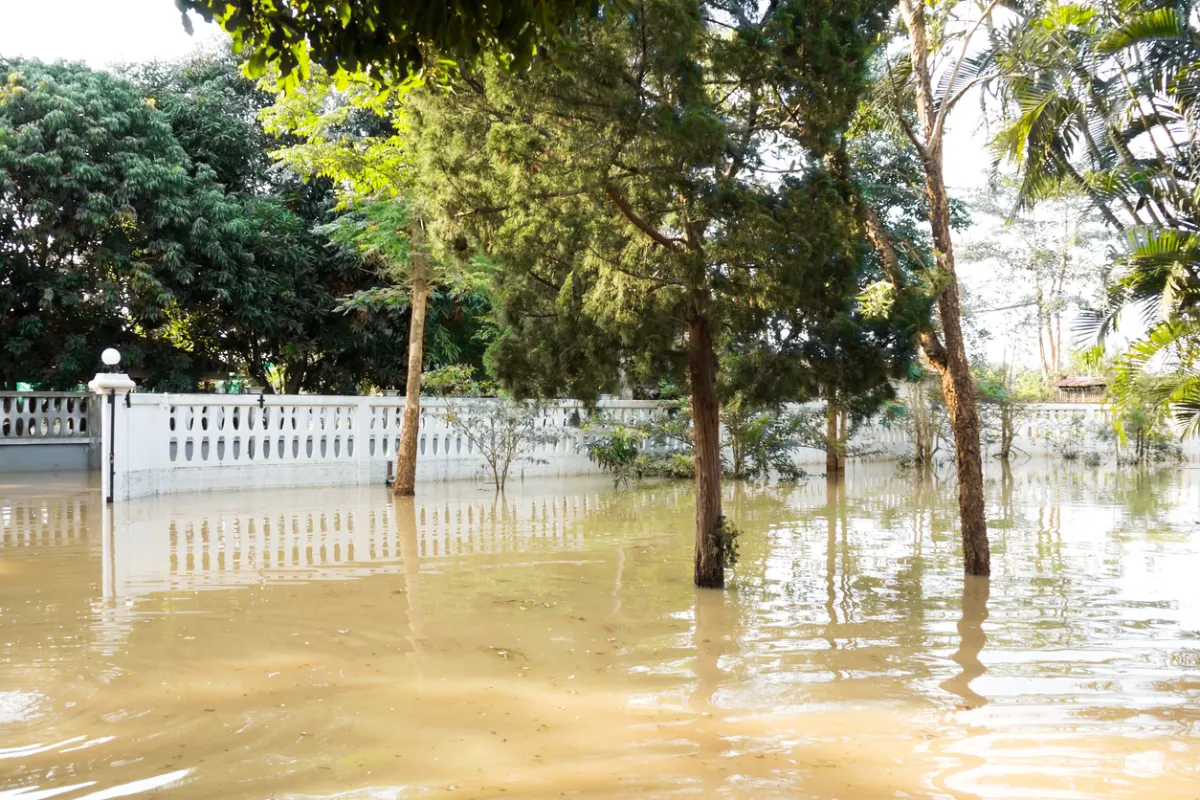
Heavy rains and flooding events are leaving many homeowners concerned about the health of their landscapes, particularly the impact on their landscape plants. Trees and shrubs are particularly vulnerable after prolonged exposure to standing water and floodwater, which can cause significant damage. Without quick action, they can suffer long-term damage or even die. If you are wondering how to help flooded trees and shrubs, the good news is that with the right approach, many plants can recover.
In this article, we’ll walk you through assessing damage, considering the effects of flood waters, providing immediate and long-term care, and preventing future problems. For homeowners with severe storm impacts, professional storm damage tree cleanup services from Taylor Expert Arborists can be an essential step in recovery. For general tree health and maintenance guidance, you can also explore the expert advice and services offered at Taylor Expert Arborists.
Assessing Flood Damage
Before beginning recovery efforts, homeowners must accurately assess the condition of their trees and shrubs for any damage to trees caused by flooding. This assessment, ideally performed soon after flooding occurs, involves evaluating both visible and hidden damage.
Recognizing Early Warning Signs
Flooded trees and shrubs often exhibit yellowing leaves, leaf chlorosis, premature leaf drop, or wilting that continues even when the soil remains wet. The presence of standing water around the base of a tree, soil that smells sour or stagnant, and bark peeling near the roots, as well as branch dieback, indicates oxygen deprivation. Shrubs may show signs of stem dieback, browning at the tips, or premature fall color, often weeks after the flooding. These symptoms are often signs of plant stress caused by flooding.
Checking the Root Zone
The tree’s roots and root system are the most critical areas to inspect. Roots deprived of oxygen for more than a few days may begin to decay. To evaluate their condition, dig carefully near the root zone. Check for eroded soil around the tree’s roots, and if you find any, cover exposed roots with soil to protect them from further damage. Healthy roots should appear firm and white inside when cut. Blackened, mushy, or foul-smelling roots are signs of waterlogging. Damaged roots are more susceptible to disease. In some cases, roots may survive only in the upper soil layers where oxygen is still available. Root injury is a common result of prolonged waterlogging. Trees in these conditions are also at increased risk of root rot diseases.
Inspecting Structural Stability
Floodwaters can loosen soil, destabilizing even mature trees. Leaning trunks, soil cracks around the base, or exposed roots indicate structural compromise. Inspect for partially uprooted trees, as these may have exposed roots and reduced stability. Such trees may pose a hazard and require immediate professional evaluation. Check for loose bark and damaged bark as signs of injury that may require assessment and treatment. Shrubs, although smaller, can also be uprooted or tilted by fast-moving water. Repositioning them early increases survival chances.
Evaluating Long-Term Stress
Even if trees appear outwardly healthy, flooding imposes long-term stress. Reduced growth, smaller leaves, delayed bud development, and reduced height and diameter growth in the following season are common. Monitoring over several months helps identify whether an intervention, such as pruning, fertilization, or drainage improvement, is necessary, especially for stress trees that may require ongoing observation.
Signs of Flood Damage in Trees
- Wilting or yellowing leaves even when the soil is wet
- Leaf drop or canopy thinning soon after flooding
- Cracks in bark or trunk wounds from debris impact
- Fungal growths near the root zone
- Slow bud break in the following spring
- Broken branches caused by flood or storm stress
- Insect and disease damage, such as increased pest activity or visible disease symptoms
- Disease damage to roots, root collar, or lower stems, often from pathogens like Armillaria, Phytophthora, or Pythium
Shrubs may show similar stress signals, especially leaf scorch or blackened stems. Recognizing these early indicators helps guide whether you should intervene immediately or monitor recovery.
How Long Can Tree Roots Stay Underwater?
Most tree roots cannot tolerate more than a few days of complete submersion, and oxygen deprivation can begin within a few hours of flooding. Oxygen is critical for root respiration, and prolonged saturation can lead to root suffocation, which weakens the plant and leaves it susceptible to diseases. A waterlogged tree faces additional challenges, including increased risk of root rot and reduced nutrient uptake. Most trees and most tree species vary in their ability to tolerate flooding or survive flooding, depending on the duration of inundation and their inherent characteristics. Some species, such as willows and bald cypress, can tolerate weeks of flooding, while fruit trees and evergreens may show decline within days. However, if flood waters recede or recede quickly, many trees have the potential to recover.
How to Save a Tree After a Flood
Caring for trees and shrubs after flooding involves balancing short-term emergency steps with long-term recovery strategies. Efforts to divert standing water are crucial to minimize root damage and protect landscape health. Immediate care is vital, but the recovery process can take months to a few years, depending on the severity of the flood, when the flood occurs, and the tree species affected. Sensitive trees, in particular, may require extra attention if flooding happens during the growing season or early spring, as they are more vulnerable at these times. Flooding during the dormant season is generally less damaging, but if a flood occurs after snow melt in early spring, trees may be at increased risk.
Helping trees recover after flooding requires a multi-step process tailored to the plant’s health and environmental conditions. It is important to wait until the ground dries before performing certain interventions, as this allows for better oxygen flow and root recovery.
Restoring Soil Oxygen
Compacted, saturated soils, wet soil, and wet soils suffocate roots. Aeration becomes one of the first recovery steps. For smaller areas, gently poking holes in the soil with a garden fork improves airflow. In larger yards, core aeration or soil decompaction performed by an arborist may be necessary. In alkaline soils, restoring oxygen can be especially challenging due to the way flooding affects soil pH and structure. Mulching with organic matter also helps regulate soil moisture while reducing temperature extremes.
Water Management Post-Flood
It may seem counterintuitive, but watering may still be necessary once the floodwater recedes. After prolonged saturation, soils can become hydrophobic, repelling moisture. Flood water can also leave behind salts that harm plant roots. Using a garden hose to thoroughly flush the soil helps remove these salts and restore soil health. Checking soil moisture regularly ensures trees and shrubs are not under secondary drought stress. A slow, deep watering routine may be required to rehydrate upper soil layers.
Pruning and Removing Damaged Growth
Broken, torn, or diseased branches should be pruned promptly. Clean cuts help reduce disease entry points. Leaving damaged limbs can attract pests such as stem borers and wood borers, which may tunnel into the tree and ultimately kill trees. However, homeowners should avoid over-pruning, as trees need as much foliage as possible for photosynthesis during recovery. For shrubs, trimming back damaged stems encourages new, healthy shoots.
Fertilization After Flooding
Floodwaters often strip soils of essential nutrients such as nitrogen and potassium. A soil test should be performed before applying fertilizer to avoid nutrient imbalance. Once conditions stabilize, a balanced, slow-release fertilizer supports root regeneration and leaf recovery. Over-fertilizing should be avoided, as stressed trees cannot absorb excessive nutrients efficiently.
Monitoring for Insect Infestation
Stressed plants attract pests such as borers and scale insects. Regular inspections of bark, leaves, and twigs, including close examination of tree bark for signs of pest activity, help catch infestations early. Maintaining plant vigor through proper watering and fertilization reduces susceptibility, but severe cases may require professional pest management.
Shrub Recovery After Heavy Rain
Shrubs may recover more quickly than trees, but they still require attentive care. Damaged stems should be trimmed back to healthy tissue to stimulate new growth. Soil drainage around shrubs can be improved by gently cultivating and mixing in organic matter. If a shrub has been uprooted, it should be replanted immediately, with soil packed firmly around the root ball and watered lightly to settle it. Some professionals may recommend root stimulants, such as mycorrhizal inoculants, to encourage fine root regrowth in stressed shrubs.
Preventing Further Damage
Recovery does not stop with immediate care. Preventing future harm involves implementing drainage solutions, soil improvements, and ongoing monitoring. When mulching, remember that mulch helps to conserve moisture in the soil, so after any temporary removal to improve oxygen flow, replace it to maintain soil hydration and prevent weeds.
Improving Drainage Systems
Installing French drains, swales, or rain gardens helps redirect excess water away from root zones. For smaller yards, raising planting beds or adding gravel beneath shrubs may prevent prolonged saturation. Large-scale drainage improvements should be designed with the help of landscaping professionals.
Reducing Soil Compaction
Flooding compacts soils, but heavy equipment or foot traffic afterward can worsen conditions. Homeowners should avoid driving or walking near saturated root zones. Applying mulch and planting groundcovers are natural methods to improve soil structure over time.
Preventing Root Rot
Root rot is one of the most devastating consequences of flooding. Ensuring soil does not remain saturated for long periods is the best prevention. Amending clay-heavy soils with organic matter and sand improves percolation. Where conditions cannot be altered, selecting flood-tolerant trees and shrubs for replanting may be the best long-term solution.
Preparing for Future Storms
Preventive pruning reduces the risk of broken limbs in future floods. Removing weak, dead, or crossing branches enhances structural resilience. Installing tree supports or staking young shrubs helps them withstand heavy water flow. Developing a storm response plan that includes monitoring drains and redirecting runoff provides additional protection. In coastal regions, the plan should also address the risk of storm surge, which can cause saltwater flooding and impact soil salinity and plant survival.
Managing Flood-Damaged Trees
Even with proper care, not all trees will survive severe flooding. Factors influencing tree survival after flooding include the extent of root damage, duration of waterlogging, and the tree’s overall health before the event. Management decisions must balance safety, cost, and ecological impact.
Determining if a Tree Can Be Saved
Trees with more than half their canopy intact, stable root systems, and minimal trunk injury often recover with care. However, if major structural damage, extensive root rot, or large trunk wounds are present, removal may be the safest option.
Techniques for Helping Recovery
Staking leaning trees, carefully pruning damaged limbs, and applying targeted fertilization all encourage recovery. Supplemental watering during dry periods supports weakened root systems. Shrubs may benefit from rejuvenation pruning, where old stems are cut back to stimulate vigorous new growth.
When Removal Is Necessary
Trees that pose hazards to homes, power lines, or people should be removed promptly. Dead or declining trees may harbor pests that spread to healthy vegetation. While removal may be difficult, replanting with flood-tolerant species ensures long-term landscape health.
Tree Diseases After Flooding
Excess soil moisture creates ideal conditions for many harmful pathogens. When trees and shrubs sit in saturated soil, their roots weaken and are more vulnerable to fungi and bacteria that can spread quickly. This can result in significant disease damage, especially to the roots, root collar, and lower stems, as pathogens like Armillaria, Phytophthora, and Pythium thrive in these conditions. Plant stress from flooding further increases susceptibility to disease by weakening the tree’s natural defenses. Understanding the most common diseases helps homeowners know what to watch for and how to respond.
Phytophthora Root Rot
This soil-borne water mold thrives in poorly drained conditions. Infected roots often become dark, mushy, and foul-smelling. Above ground, trees may wilt or yellow even when soil remains wet. Additional symptoms of infection include leaf chlorosis and premature fall color, both of which indicate stress or disease caused by root and crown rot fungi. Left untreated, Phytophthora can kill young or stressed trees within a single season.
Armillaria (Oak Root Fungus)
Armillaria infects weakened trees after flooding and is identified by white, fan-shaped mycelial mats under the bark near the root collar. Honey-colored mushrooms may appear at the tree’s base in late summer or fall. Once established, this disease is extremely difficult to eradicate and can spread to nearby plants.
Bacterial Cankers and Fungal Leaf Spots
Prolonged saturation weakens natural defenses, allowing opportunistic pathogens to invade. Cankers may appear as sunken, discolored patches on trunks or branches. Fungal leaf spots can cause premature defoliation and limit photosynthesis, further stressing the plant.
Recognizing Symptoms
Warning signs of post-flood disease include persistent wilting despite moist soil, crown dieback, branch dieback, leaf chlorosis (yellowing of leaves), loose bark, peeling bark, and unusual fungal growth around the trunk or root zone. Because these symptoms often develop weeks or months after flooding, consistent monitoring is essential.
Management and Treatment
Early intervention is the best defense. Removing infected branches, improving drainage, and reducing soil compaction can help slow disease progression. In severe cases, fungicidal treatments applied under the direction of a certified arborist may be necessary. Regular inspections following a flood event are crucial to catch delayed disease symptoms and protect the long-term health of trees and shrubs.
Conclusion
Floods can devastate trees and shrubs, but with careful assessment, targeted care, and preventative strategies, many plants can recover and thrive again. From understanding the signs of flood damage to implementing drainage solutions and knowing when to call a professional, you now have the tools to support your landscape through recovery. If your property has suffered flood-related damage, don’t wait—reach out to Taylor Expert Arborists for expert storm damage cleanup and ongoing care to protect your trees, shrubs, and overall landscape health.


