


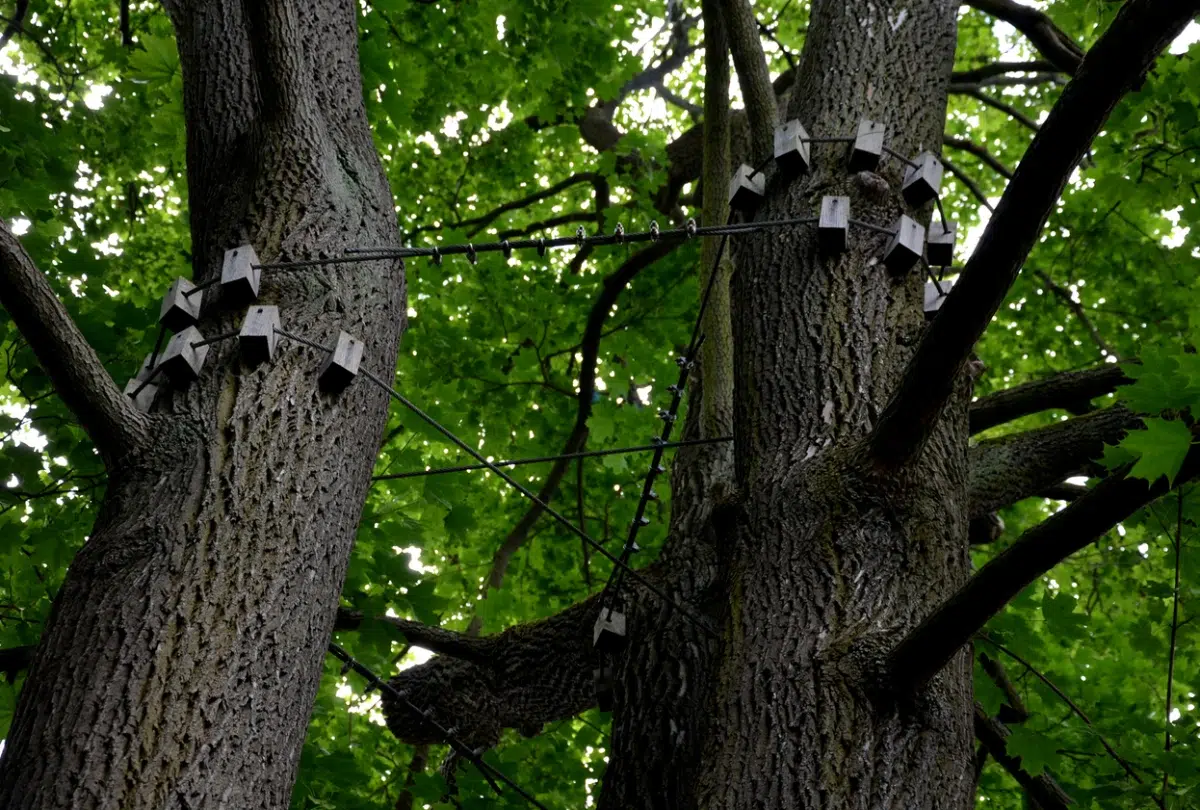
When a majestic oak develops a dangerous split or a historic maple shows signs of limb failure, tree cabling emerges as one of arboriculture’s most sophisticated preservation techniques. A reputable tree service employs certified arborists to ensure proper assessment and installation, maximizing the effectiveness and safety of cabling and bracing trees. This structural support method has saved countless valuable trees from removal, offering an engineering solution that works in harmony with natural tree biology.
Understanding how tree cabling works requires examining both the mechanical principles and biological considerations that make this intervention successful. Professional arborists employ these systems to redistribute structural loads, prevent catastrophic failures, and extend the life of trees with significant value or historical significance.
This comprehensive guide explores the intricate mechanics behind tree cabling, from the physics of load distribution to the specialized installation techniques that certified arborists use to preserve our most treasured trees. A professional evaluation by certified arborists can make a huge difference in determining the best approach, such as cabling and bracing trees, to address structural weaknesses.
The Basic Mechanics of Tree Cabling
Tree cabling functions as an internal scaffold system that redistributes mechanical loads throughout the tree’s structure. The fundamental principle centers on installing high-strength cables between weak branches or from branches to the main tree trunk, creating additional pathways for weight distribution during stress events. This process provides additional support to weak or vulnerable areas, helping to preserve the tree’s vitality.
The physics behind how tree cabling works involves transferring forces from vulnerable points to stronger structural elements. When high winds or heavy snow threaten to cause branch breakage, the steel cables share the load between multiple attachment points, significantly reducing the stress concentration at weak unions or overextended limbs. Installing cables with the right tools ensures the system provides extra support and stability, especially for structurally weak or damaged trees.
Load Distribution Mechanics
Professional arborists position cables approximately two-thirds of the distance from weak unions to branch tips, maximizing mechanical leverage while preserving the tree’s natural movement patterns. This strategic placement ensures that both the tree’s structural integrity and growth pattern remain largely uncompromised. Installing cables involves expert assessment and the use of the right tools and equipment, such as bucket trucks and specialized climbing gear, to ensure effective and safe installation.
The cable system acts as a safety net rather than a rigid restraint. While providing crucial structural support during severe weather events, properly installed cables allow tree limbs to sway naturally in normal conditions. This balance proves essential for maintaining the tree’s health, as excessive restriction can lead to weakened wood development and increased vulnerability to trunk failure.
Movement Control and Flexibility
Tree cables limit excessive movement during strong winds while preserving the natural flexing that strengthens wood fibers over time. The system creates what arborists call “controlled movement” – enough restriction to prevent dangerous separation at weak points, but sufficient flexibility to maintain healthy mechanical stress patterns that promote strong wood development.
Multiple cables may be installed in triangular, box-shaped, or hub-and-spoke configurations depending on the tree’s architecture and specific structural weaknesses. Each cable in the system contributes to the overall load redistribution, creating redundant support pathways that significantly improve tree safety.
Types of Tree Cabling Systems
Tree cabling systems fall into two primary categories: static and dynamic systems, each designed for specific applications and tree conditions. Understanding these different approaches helps explain how tree cabling works across various scenarios and tree species. Larger trees, especially those with significant structural challenges, often benefit the most from cabling systems.
Dynamic Cabling
Dynamic cabling systems utilize flexible steel cables or synthetic materials that allow considerable natural tree movement while protecting against extreme forces. These systems excel at absorbing shock loads and permitting the moderate sway that promotes healthy wood development in younger trees.
The flexible nature of dynamic systems makes them ideal for trees expected to continue growing vigorously. The cables stretch slightly under load, reducing sudden stress transfers to attachment points and minimizing the risk of secondary damage around bracing hardware. This elasticity proves particularly valuable during sudden wind gusts or ice loading events.
Installation and Benefits
Certified arborists install dynamic systems using specialized hardware designed to accommodate movement while maintaining security. The cables are tensioned to specific tolerances that permit healthy tree motion while engaging progressively as loads increase.
These systems work exceptionally well for V-shaped trees and species that naturally experience significant movement. The shock-absorbing properties protect both the tree and the hardware from damage, while the flexibility allows the tree’s growth and structural development to continue with minimal interference.
Static Cabling
Static cabling employs rigid steel cables and hardware, including eye bolts and turnbuckles, to severely restrict movement between major limbs or codominant stems. This approach provides maximum restriction and support for situations requiring absolute stability.
Static systems prove most effective for mature trees with heavy limbs, where even minimal movement could result in catastrophic failure. The rigid connections create virtually immobile joints between supported elements, transferring loads directly through the cable rather than allowing any significant deflection.
Applications and Considerations
Professional arborists recommend static cabling for older trees with compromised structural integrity or valuable specimens where failure consequences would be severe. These systems require more intensive regular maintenance and careful monitoring, as the restricted movement can alter stress patterns throughout the tree. It is essential that static cabling is installed properly and performed properly by professionals to ensure safety and effectiveness.
The installation process involves precise tensioning using turnbuckles and other adjustment hardware. Certified arborists must carefully balance the tension to provide adequate support without creating excessive stress on attachment points or interfering with the tree’s natural load-bearing mechanisms.
Professional Installation Process
The installation of tree cabling systems requires extensive expertise and follows a methodical process that certified arborists have refined through decades of experience. Understanding how tree cabling works begins with appreciating the complexity and precision required for proper installation. A professional tree service is essential for ensuring the cabling system is installed safely and effectively.
Tree Assessment and Planning
Every successful cabling project starts with a thorough inspection conducted by a trained arborist who evaluates the entire tree’s structure and growth pattern. This assessment identifies weak unions, measures limb diameters and attachment angles, and analyzes species-specific characteristics that influence cable placement decisions. Assessing the tree’s condition is crucial for identifying any structural defect that may require intervention, such as cabling or bracing. Involving a professional arborist ensures that these assessments are accurate and that the most appropriate support strategy is planned for the tree’s long-term health and safety.
The certified arborist understands that tree cabling depends on selecting optimal attachment points that can safely support the hardware while providing maximum structural benefit. This evaluation process includes examining the tree’s condition for signs of decay, previous damage, or other factors that might compromise the installation’s effectiveness.
Risk Assessment and Planning
Professional arborists assess potential risks, including the proximity of structures, power lines, and pedestrian areas. They develop detailed plans that account for tree species characteristics, seasonal growth patterns, and long-term maintenance requirements. This planning phase ensures that the cabling system will provide effective support throughout the tree’s remaining lifespan.
Safety planning encompasses both the installation process and long-term system performance. Arborists must consider how the tree’s growth will affect cable placement over time and plan for necessary adjustments that maintain system effectiveness.
Hardware Installation
The hardware installation phase requires specialized equipment and precise execution to ensure system reliability. Certified arborists use professional-grade drilling equipment to create attachment points at calculated locations, typically about two-thirds of the distance from weak unions to branch tips.
Drilling and Hardware Placement
The drilling process removes minimal wood while creating secure attachment points for eye bolts or other bracing hardware. Professional arborists select drill bit sizes and hardware specifications based on branch diameter, wood species, and expected load requirements. Bracing rods may also be used alongside cables as part of comprehensive bracing techniques to reinforce structurally weak or damaged areas, such as split crotches or multiple leaders, enhancing overall tree stability and safety.
Cable routing follows predetermined paths that avoid interference with the tree’s natural growth patterns while providing optimal support geometry. The installation includes proper tensioning procedures that establish the correct support levels without over-stressing attachment points or restricting necessary tree movement.
Quality Control and Testing
Each installation concludes with comprehensive testing to verify proper cable function and system integrity. Professional arborists check all hardware connections, verify appropriate tension levels, and confirm that the system operates as designed under various load conditions.
The final inspection ensures that cables provide support without damaging living tissue unnecessarily and that all hardware meets safety standards for long-term performance. This quality control process validates that the installation will provide reliable protection throughout its service life.
Maintenance and Longevity
Tree cabling systems require regular inspections and periodic adjustments to maintain their effectiveness and safety. Understanding how tree cabling works includes recognizing that these systems are not “install and forget” solutions but require ongoing professional attention.
Inspection Requirements
Certified arborists typically recommend annual or biennial inspections to monitor cable condition, hardware integrity, and changes in tree structure. These regular inspections identify cable wear, hardware corrosion, and evidence of tree growth affecting attachment points before problems become dangerous. Cabling and bracing systems should be inspected regularly to ensure they remain functional and effective over time.
During inspections, professional arborists check for signs of cable fraying, loose hardware, and callus growth over attachment points. They also assess whether the tree’s changing structure requires adjustments to maintain optimal support and protection.
Adjustment and Replacement
Tree growth often necessitates cable adjustments or hardware repositioning to maintain system effectiveness. As branches expand and the tree structure evolves, the original cable placement may become less optimal or potentially harmful to the tree’s health.
The typical lifespan of cabling systems ranges from 10 to 20 years, depending on materials, environmental exposure, and maintenance quality. Regular maintenance significantly extends system life while ensuring continued protection for the tree and surrounding property.
Professional arborists perform necessary adjustments using specialized equipment and techniques that minimize stress on both the tree and existing hardware. These maintenance procedures often prevent minor issues from developing into major problems requiring complete system replacement. As part of a comprehensive maintenance plan, professional arborists may also recommend other tree services to address overall tree health and safety.
Benefits and Limitations of Tree Cabling
Tree cabling provides significant safety and preservation benefits while having important limitations that property owners must understand. The effectiveness of these systems depends heavily on proper assessment, installation, and maintenance by qualified professionals.
Primary Benefits
Tree cabling significantly reduces the risk of limb failure and branch breakage, protecting both property and people from potential damage. Tree cabling and bracing are specialized techniques used to reinforce structurally compromised trees, helping to prevent failures that could otherwise lead to property damage or injury. These systems prove especially valuable for preserving trees with sentimental value or historical significance that might otherwise require removal due to structural issues.
The cost-effectiveness of cabling compared to tree removal makes it an attractive option for maintaining property value while preserving mature landscaping. Professional tree services can often install cable systems for a fraction of the cost of removing and replacing large trees.
Cabled and braced trees maintain their natural appearance and continue providing environmental benefits, including shade, air purification, and wildlife habitat. This preservation approach supports urban forestry goals while addressing legitimate safety concerns.
System Limitations
Tree cabling cannot address all structural problems, particularly those involving extensive decay, compromised root systems, or advanced disease. Trees with severe structural defects may be poor candidates for cabling, requiring alternative treatments or removal.
Improperly installed or maintained systems can create new points of stress or injury, potentially becoming hazardous themselves. While these systems can reduce safety risks, they do not eliminate the possibility of a tree falling if underlying issues are not addressed. This risk emphasizes the importance of working with certified arborists who understand proper installation and maintenance procedures.
Static cabling systems may impair a tree’s ability to adapt structurally to environmental stresses, potentially increasing vulnerability elsewhere in the tree structure. Professional assessment helps determine when dynamic systems or alternative treatments would be more appropriate.
When Tree Cabling is Most Effective
The success of tree cabling depends on selecting appropriate candidates and implementing systems under optimal conditions. Understanding these factors helps property owners make informed decisions about tree preservation options.
Ideal Tree Conditions
Trees with sound, healthy wood in potential anchor branches represent the best candidates for successful cabling. The presence of healthy cambium layers at attachment points ensures that hardware installation won’t compromise the tree’s vital functions or create entry points for decay organisms. Cabling and bracing are used to reinforce weak spots and support the tree’s health and growth, helping maintain structural integrity and prolonging the tree’s lifespan.
Structural issues best addressed by cabling include V-shaped trees with weak unions, codominant stems showing signs of separation, and overextended limbs that exceed the tree’s natural support capacity. Trees that have experienced minor storm damage but retain viable structure often benefit significantly from cable support.
Timing Considerations
Professional arborists often recommend installation during late winter or early spring when reduced sap flow minimizes infection risk and installation stress. This timing also allows the tree to adapt to the support system before the next growing season’s increased weight and wind exposure.
Early intervention proves more effective than waiting until structural problems become severe. Preventive measures, including cabling, can address developing weaknesses before they become immediate safety hazards requiring emergency tree services.
Alternative Treatments
Some situations require different approaches than standard cabling. Tree bracing using steel rods may be necessary for split trunks or severely damaged branches, often combined with cabling for comprehensive support. Bracing trees is especially important when addressing cracks or splits in the tree’s trunk, as it helps reinforce weak spots and prevent further damage.
Trees with multiple trunks or complex structural issues may benefit from specialized support systems that combine various techniques. Professional arborists evaluate each situation individually to recommend the most appropriate intervention strategy.
Regular maintenance and monitoring prove essential regardless of the specific treatment chosen. This ongoing attention ensures that support systems continue providing effective protection while adapting to the tree’s changing needs over time.
Conclusion
Understanding how tree cabling works empowers property owners to make informed decisions about tree preservation while recognizing the importance of professional expertise in system design, installation, and maintenance. These sophisticated support systems represent a valuable tool for extending the life of structurally compromised trees when applied appropriately by qualified tree care professionals.
For trees showing signs of structural weakness or damage, consulting with certified arborists provides the expert assessment necessary to determine whether cabling offers a viable preservation solution. Professional tree care specialists can evaluate individual situations and recommend the most appropriate interventions to ensure both tree health and safety.


