


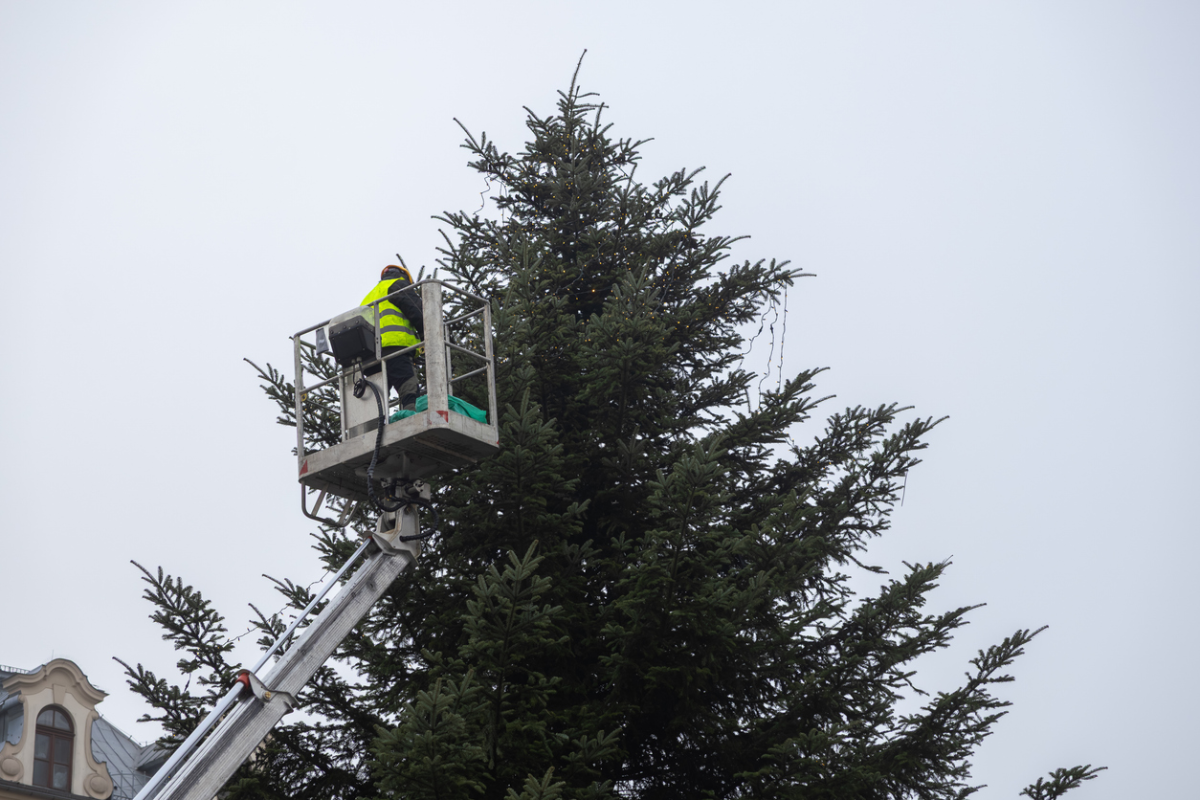
Whether you have one overgrown oak or several trees that haven’t been touched in years, understanding how much tree trimming costs is the first step toward making a smart decision. Prices depend on a handful of clear factors, and knowing them can help you budget accurately, compare quotes, and avoid surprises on the final bill.
How Much Does Tree Trimming Cost in 2026? (Quick Answer)
If you want to trim a tree on your property this year, expect to pay between $300 and $900 per tree for professional tree trimming. Most homeowners pay around $460 for a standard medium-sized tree trimming job, though your final price depends heavily on tree size, species, and site conditions. Before requesting quotes, a professional tree health inspection is the best way to understand the condition of your specific tree, and you can explore residential tree services to schedule a trimming visit from a qualified crew.
Here’s a quick breakdown by size:
- Small trees (under 30 ft): $100–$400 per tree
- Medium trees (30–60 ft): $300–$1,000 per tree
- Large trees (over 60 ft): $600–$2,000+ per tree
These are ballpark figures. The exact cost to trim your own trees depends on local labor rates, species, site conditions, and any added services like wood chipping or debris hauling. Professional tree trimming costs range from $436 to $1,221 according to national data aggregators, which reflects the wide spread between simple ornamental shaping and complex structural work on tall trees.
Most professional tree service companies provide free on-site estimates, so you can confirm the real price before committing to any tree work.
Average Tree Trimming Cost Per Tree
When homeowners search for how much does tree trimming cost per tree, they usually want one clear number. In 2026, the national average sits around $430–$700 for an average tree in a residential setting, with many jobs landing near $475 for one medium tree. Professional trimmers charge $60 to $80 per hour, but most tree trimming services quote per tree or per project rather than strictly per hour because each tree has unique cost factors-height, risk, equipment needs, and cleanup volume all play a role.
The number of trees you need trimmed directly affects the overall trimming cost:
- The first tree often sets the minimum visit cost. Most professional services enforce a minimum service fee of $100 to $300 to cover travel, setup, and crew mobilization.
- Additional trees on the same property are usually discounted on a per-tree basis since setup and travel are already covered.
- A single small tree can feel expensive per tree compared with adding several trees to the same visit.
When requesting estimates, list exactly how many trees need work so you can compare per-tree prices and bundled discounts accurately. If you have more trees than you initially thought, bundling them in one visit almost always lowers the effective cost per tree.
Tree Trimming Cost by Tree Size
Tree size significantly affects trimming costs. Height and canopy spread are usually the biggest drivers of price because taller, wider trees take more time, heavier equipment, and more complex rigging to handle safely.
Here’s how size categories break down in 2026:
| Tree Size | Height | Typical Cost Per Tree |
|---|---|---|
| Small | Under 30 ft | $100–$400 |
| Medium | 30–60 ft | $300–$1,000 |
| Large | Over 60 ft | $600–$2,000+ |
Medium trees typically cost $300 to $800 to trim, depending on canopy density and branch structure. Trees over 60 feet tall are considered large, and trimming large trees requires heavy-duty equipment like bucket trucks or cranes that push costs well above average.
Trimming costs increase with tree height and canopy size because heavier branches generate more debris, require more cutting passes, and carry greater risk of property damage during removal. Even within the same height range, a narrow columnar tree is usually cheaper than a wide, sprawling canopy of the same height because it needs less cutting and rigging.
An on-site visit from a professional tree arborist is the only reliable way to assess tree size and the corresponding cost to trim. Younger trees and medium trees with open canopies generally fall on the low end of each range, while mature trees with dense growth push toward the top.
Cost by Type and Species of Tree
Two trees of the same height can carry very different price tags because tree species affects pricing by influencing branch thickness and wood density. Here’s how common species shake out:
- Easy to moderate: crepe myrtle, ornamental cherry, Japanese maple, dogwood – lighter wood, fewer dense branches, less cleanup. A crepe myrtle often runs $80–$400.
- Moderate: most maples, birches, smaller oaks, fruit trees – denser branching, sometimes health issues like deadwood or pests. Fruit trees may need more precise structural pruning for healthy growth and productivity.
- Higher difficulty: tall pine trees, large spruces, big oak tree specimens, sycamores, palm tree species, and dense evergreen trees – these require skilled climbing, heavier rigging, and often generate significant tree debris. A mature oak can run $450–$1,800, and cypress trees and similar conifers trend toward the higher end.
Species with messy or heavy debris (pine needles, palm fronds, sap-heavy evergreens) also increase cleanup costs. Protected or heritage trees may require permits or special handling, which adds administrative and labor costs beyond basic trimming services.
When calling for an estimate, tell the tree trimming company what kinds of trees you have. Photos of each specific tree help the estimator prepare a more accurate quote before an in-person visit.
Key Cost Factors Beyond Tree Size
Beyond height and species, several other factors determine the final price of a tree trimming job:
- Tree health and condition: A tree’s health significantly impacts trimming costs. Diseased branches require extra precautions during trimming due to instability, and a 20-foot tree with pests costs more to trim than a healthy one of the same size. Pest problems can increase the complexity and cost of trimming.
- Proximity to structures or power lines: Trees near power lines require extra precautions and costs, often involving coordination with the utility company or specialized insulating equipment. Trees over roofs, decks, pools, or fences demand advanced rigging techniques that raise the overall job cost.
- Accessibility: Trees with difficult access will increase trimming costs due to higher risk. Tight backyards, slopes, fences, and limited equipment access all add labor hours.
- Amount of trimming: Light maintenance trimming and clearing dead branches costs less than heavy structural work or restoration pruning on neglected mature trees.
- Cleanup and disposal: Cleanup and disposal of tree debris may add additional fees. You can sometimes reduce cost by keeping wood on site for firewood or mulch, but full hauling and wood chipping usually cost extra.
- Time of year: Emergency tree services can cost 50% to 100% more than scheduled maintenance. Storm-damaged trees typically require specialized handling, which raises the price. Scheduling during the dormant season-late fall through late winter-often yields better rates.
- Number of trees: Trimming several trees at once is typically more cost-effective. Mobilizing a professional tree crew is a major portion of the total price, so combining multiple trees in one visit reduces the per-tree cost.
A formal tree health inspection before major trimming helps identify hidden issues-internal decay, root problems, insect infestation-that could affect both pricing and long-term safety.
DIY Tree Trimming vs. Professional Tree Services
The idea of saving money by trimming your own trees is appealing, but the real math is more nuanced. DIY tree trimming tools cost between $140 and $1,100 depending on what you need, and chainsaws and ladders for DIY trimming can cost up to $600 alone-before factoring in safety gear, time, and risk.
When DIY is reasonable:
- Very small trees and shrubs reachable from ground level
- Small, low branches under about 2 inches in diameter
- Simple cosmetic shaping away from structures, using basic pruning shears or loppers
When professional tree trimming is the clear choice:
- Any tree taller than a one-story roof (roughly 20–25 ft)
- Work that requires climbing, ladders overhead, or chainsaws at height
- Trees near houses, garages, fences, vehicles, or power lines
- Trees showing decay, cavities, or storm damage
Hiring professionals is often more affordable than DIY trimming when you account for equipment costs, time, and the expense of fixing mistakes. Improper cuts-topping, flush cuts, over-thinning-can permanently damage or destabilize a tree, leading to higher costs later for corrective work or tree removal.
If you’re unsure, schedule a professional tree health inspection and ask the arborist which tasks are safe to handle as a DIY job versus those that require a certified crew.
Tree Trimming Cost by Location and Local Market
The cost of tree trimming varies widely across both big and small cities due to differences in labor costs, terrain, climate, and local regulations. Geographical location affects tree trimming costs because hourly labor rates for contractors typically range from $50 to $150 per hour depending on the market. In many areas, labor costs for tree trimming range from $35 to $70 per hour for crew members, with certified arborists commanding higher rates.
Key regional factors:
- Urban areas have higher tree trimming costs due to elevated labor rates and tighter access. Rural areas generally have lower labor costs for tree trimming.
- Severe weather regions (Gulf Coast, Southeast, Northeast) see temporary price spikes during hurricane or ice storm seasons. Tree trimming costs increase in areas prone to severe weather because demand surges.
- Local species mix matters too-regions with mostly tall conifers or big mature hardwoods have higher typical costs than areas dominated by small ornamental trees.
- Permits and ordinances in some small cities and large metros require paperwork for street or heritage trees. Professional arborists are usually familiar with these rules.
- Travel time may add charges if your property falls outside a company’s normal service radius.
Get two to three detailed quotes from reputable local tree service companies rather than relying on national averages alone.
Tree Trimming, Pruning, and Removal: Cost Differences
These three services sound similar but involve different scopes-and different price tags:
- Tree trimming focuses on shaping and thinning primarily for appearance and basic clearance. Trimming enhances a tree’s appearance without health concerns being the primary focus.
- Tree pruning is more technical, health-focused work-removing dead, diseased, or structurally weak branches. Pruning promotes tree health by removing diseased branches and correcting structural weaknesses. Pruning typically costs more than trimming due to complexity.
- Tree removal means taking down the entire tree, often including stump grinding. Tree removal cost is significantly higher than maintenance work.
Approximate 2026 ranges:
| Service Type | Typical Cost Per Tree |
|---|---|
| Routine trimming/pruning | $300–$900 |
| Large or high-risk pruning | $800–$2,000+ |
| Tree removal | $500–$2,500+ |
Regular professional tree trimming and tree pruning help avoid the much higher cost of full removal later by keeping healthy trees safer and structurally sound. Scheduling a combined visit where an arborist trims, prunes, and evaluates whether any trees need removal gives you clear options and prices in one stop.
How to Save Money on Professional Tree Trimming
Here are practical ways to lower the cost of tree trimming without cutting corners on safety:
- Bundle multiple trees. Many companies offer discounts for trimming multiple trees at once. If you can bundle multiple trees or combine trimming with other services in a single visit, the per-tree cost drops meaningfully.
- Schedule off-peak. Non-urgent work during early spring or the dormant season (late winter through late fall) often comes with lower rates when crews are less busy.
- Clear the work area. Remove furniture, toys, vehicles, and yard clutter from under and around trees before the crew arrives. Fewer billable hours on basic setup means a lower bill.
- Keep some debris on site. Opting to keep logs for firewood, log splitting, or mulch can sometimes reduce hauling and disposal fees. Ask the crew what makes sense for your situation.
- Maintain trees regularly. Shorter, simpler visits every few years to trim trees are usually cheaper over time than infrequent major overhauls or emergency storm response. Trimming your trees regularly prevents the kind of unchecked growth that turns a routine job into an expensive project.
- Prioritize strategically. A professional tree health inspection can identify which trees need attention now versus later, helping you spread costs intelligently over several seasons and save money in the long run.
When (and How Often) to Trim Your Trees
Timing affects both cost and the long-term health of your trees. Here are general pruning intervals:
- Younger trees: Every 2–3 years to establish strong structure and promote healthy growth
- Mature shade trees: Every 3–5 years for safety and form. Most mature trees should be pruned every three to five years to maintain air circulation and structural integrity.
- Fruit trees: Usually annual or biannual pruning to maintain productivity
- Evergreen trees: Less frequent, often only as needed for clearance or safety
The dormant season-late fall through late winter-is often the best time for many species. Fewer leaves mean better visibility of branch structure, and trees experience less stress. However, spring-flowering ornamentals should be trimmed shortly after blooming, and emergency situations involving dangerous dead branches should be addressed immediately regardless of season.
Trimming at the right time reduces long-term tree care costs by preventing storm damage, disease spread, and structural problems that are more expensive to correct later. Annual visual checks by the homeowner plus periodic professional inspections help you decide when your trees are due for maintenance.


