


Healthy trees add shade, beauty, and value to your property—but heavy or damaged limbs can become liabilities if they fail. Cabling and bracing are commonly used methods in the tree care industry to improve tree stability and reduce the risk of damage. In this comprehensive guide from Taylor Expert Arborists, you’ll learn how to support tree limbs safely and effectively, when it makes sense to tackle the work yourself, and when to bring in a professional. We’ll explore what modern cabling and bracing solutions look like, the best time to install tree supports, how long to leave them in place, and how to protect your investment with proper maintenance—ensuring your trees stay healthy, safe, and beautiful for years to come.
What Is the Best Way to Support Tree Branches?
The honest answer is: it depends on the tree’s age, species, the specific defect, and what sits beneath the limb if it fails. There is no universal fix. Arborists use a variety of support techniques and options depending on the tree structure and the specific defect. Tree support systems, such as cabling, bracing, and staking, are selected based on the assessment of the tree’s structure and needs. Arborists follow a decision path that starts with the least invasive option and only moves to hardware when necessary. In most cases, that means pruning first, then introducing cables, braces, props, or temporary staking where they add meaningful risk reduction.
Reduction Pruning
Reduction pruning is often the opening move. By shortening overextended tips and redistributing weight closer to the trunk, you reduce bending forces without adding hardware. A well-executed reduction preserves the limb’s character while lowering the chance of failure during wind or heavy rain. It’s particularly effective for vigorous species that compartmentalize wounds well and for trees whose problem is simply “too much weight too far out.”
Cabling
A cabling system comes next when a limb is structurally sound but poorly attached or carrying more weight than its union can safely handle. Tree cables are typically installed in the upper crown to support weak branches and reduce the risk of breakage. A high canopy cable distributes loads between neighboring leaders, so no single attachment point bears the brunt of a storm gust.
- Dynamic (synthetic) systems are non-invasive and allow for controlled movement, which keeps the wood strong. Dynamic cabling systems also allow for more natural movement, helping to preserve the tree’s natural movement while still providing support.
- Static (steel) systems, on the other hand, limit motion more aggressively and are preferred when the defect is severe or after a partial failure. Static systems limit the rest and movement of branches to prevent failure. Placement matters: anchors typically sit about two‑thirds of the distance from the union toward the tips, in healthy wood of adequate diameter.
Bracing
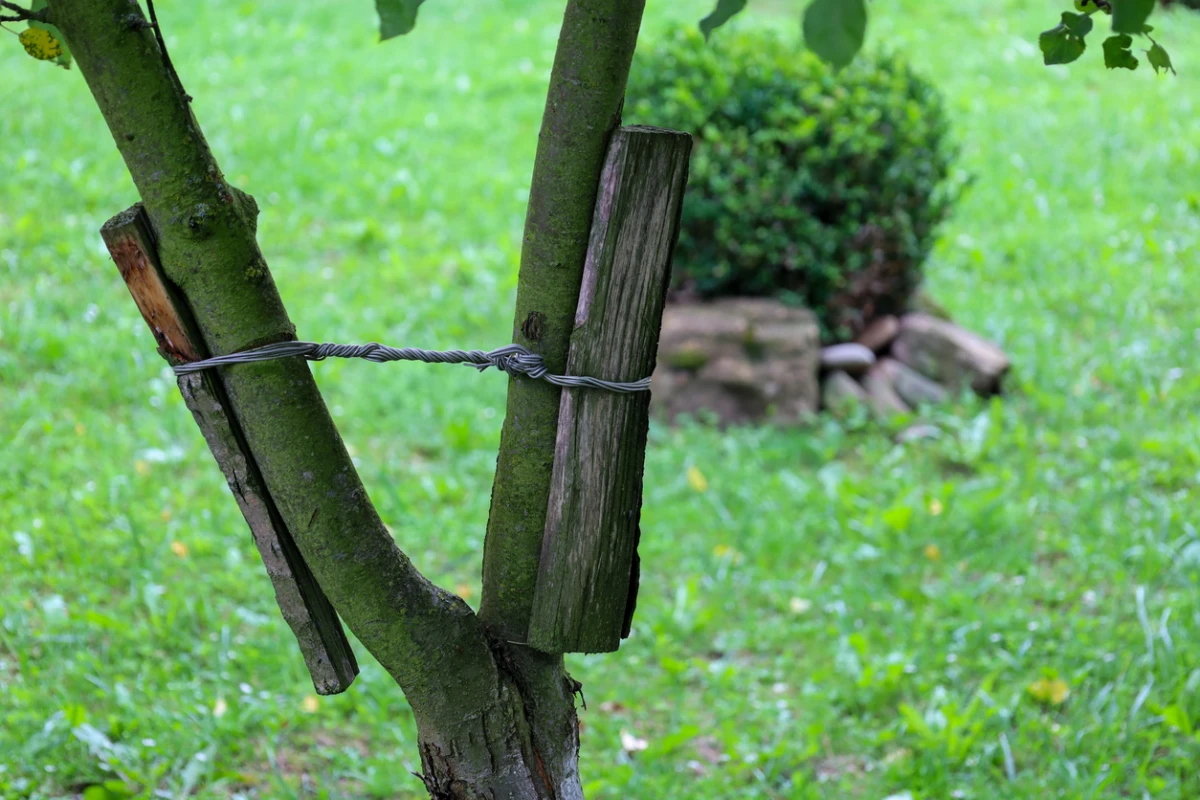
Brace rods are used when a split, crack, or pronounced included‑bark seam threatens to open. Bracing tree cabling is a technique that combines brace rods and cables to provide additional support for bracing trees with structural weaknesses. The rod ties the union together at the point of weakness, while an accompanying cable above manages movement so the rod isn’t overstressed. Think of the brace as the seatbelt at the fracture line and the cable as the driver who avoids the potholes. Tree bracing is an important method for preventing damage and maintaining tree stability.
Props and Posts
For sprawling, low limbs that contribute to the tree’s character—grand oaks shading a lawn, or mango limbs sagging under fruit—props or posts can carry vertical load without altering the limb’s natural sweep. Done correctly, a broad, padded cradle spreads pressure and avoids wounding bark. Props are most useful where people and structures are not directly beneath the limb and when preserving the visual form of a heritage tree is a priority.
Staking and Guying
Guying and staking are reserved for young trees or recently transplanted specimens that need temporary help while roots establish. Staking and guying are also helpful for supporting young plants as they establish strong root systems. The goal is stability without immobilization: gentle sway is what builds trunk taper and anchoring roots. Most staking systems should come off within one growing season after planting, with ties checked monthly so they don’t girdle the bark.
How do you choose among these options in practice? Start by identifying the defect (co‑dominant leaders with included bark, an overextended lateral, a visible crack). Evaluate the target area beneath (a playset demands a higher safety margin than a back pasture). Combine weight‑reducing pruning with the minimal hardware necessary to bring risk to an acceptable level. If you’re in a region with seasonal storms, plan installation ahead of the windy or rainy months and schedule follow‑up inspections. For a deeper look at storm‑readiness, visit our page on Storm Tree Preparation & Support Systems.
Pro tip: Hardware is not a cure‑all. Poorly designed supports can concentrate stress and increase the risk of failure elsewhere. When in doubt, consult a certified arborist for a risk assessment and a tailored plan.
Understanding Why Tree Limbs Need Support: Common Structural Defects
Not all tree limbs are created equal—some are naturally strong, while others develop weak points that put the entire tree, your property, and even personal safety at risk. Understanding why tree limbs need support starts with recognizing the most common structural defects that can compromise a tree’s stability and health.
Recognizing Weak Branches and Included Bark
One of the most frequent issues is the presence of weak branches caused by included bark or co-dominant stems. When two branches of similar size grow closely together, they often form a narrow, V-shaped union with bark trapped between them. This included bark prevents the wood from fusing properly, creating a weak point that’s highly susceptible to splitting, especially during storms or under heavy loads.
Overextended Branches and Breakage Risks
Overextended branches—those that stretch far from the trunk without adequate support—are also prone to breaking, particularly if they haven’t been pruned to manage their weight. These structural defects don’t just threaten the tree’s health; they can lead to sudden branch breakage, property damage, or even injury. That’s why the tree care industry relies on proven support systems like tree cabling and bracing to provide extra support where it’s needed most.
Professional arborists are trained to assess these weak points and determine the best support system for each unique situation. They’ll conduct thorough risk assessments, looking for signs of overextended branches, ‘included’ bark, or other defects that could compromise the tree’s safety. Once identified, they’ll recommend and install the appropriate support—whether it’s cables, braces, or a combination of both—to protect the tree and everything beneath it.
Best Time to Install Tree Supports
The “right time” depends on two clocks: your local storm season and your tree’s biology. If you notice signs of weakness or damage, install supports as soon as practical. Supports should be installed promptly to address risks and ensure the tree’s stability before further damage occurs.
Season and weather
If a limb or union is already compromised, install supports as soon as practical—risk doesn’t wait for the calendar. Otherwise, the ideal window is ahead of your peak storm period, so the system is in place before heavy winds, downpours, or fruit loads arrive. In many regions, that means late winter into spring for wind and rain, or late summer in cyclone/hurricane belts. The big idea: prepare before—not during—storm season.
Tree physiology
Pair supports with structural pruning during dormancy (for deciduous trees) when you can better see branch architecture and reduce sail area with less stress. For evergreens and tropicals that don’t go fully dormant, aim for cooler, drier months and avoid extreme heat waves that compound water stress.
Urgency overrides timing
If you’re seeing fresh cracks, movement in a co‑dominant union, or a partially failed limb over a target (driveway, roof, play area), treat it as urgent—stabilize now, fine‑tune later. Standards-based guidance frames support as a risk‑reduction measure tied to defects and targets, not to a fixed season.
How Long Do You Leave Supports on New Trees?
For newly planted trees, staking and guying are temporary training wheels. Most trees can stand on their own after one growing season, sometimes as soon as 6–12 months. Over‑long staking weakens trunk taper and can cause girdling. Check ties monthly, loosen as needed, and remove supports once the root ball holds the tree upright on a calm day. Monitor the tree’s progress to ensure it is developing sufficient strength and that the tree’s structural integrity and overall health are not compromised.
For structural hardware in mature trees, timelines are different. Static steel systems may remain for the life of the tree with annual inspections. Dynamic systems often have manufacturer service lives and require periodic retensioning or replacement; either way, plan on professional checkups after major storms and at least once a year.
DIY vs. Professional Tree Support (Where to Draw the Line)
If you’re working from the ground on a small, newly planted tree, you can install temporary stakes with broad, soft ties that allow gentle sway, then remove them after establishment. You can also do light end‑weight reduction with hand pruners on small branches—if you’re clear of structures and power lines.
Call a pro. Anything involving climbing, chainsaws aloft, heavy limbs over targets, or cabling and bracing hardware belongs to tree care professionals. Installing the wrong system in the wrong place isn’t just a waste of money; improper DIY tree support can increase the risks of structural failure, injury, or property damage by not addressing hazards like overextended branches or co-dominant stems. It can shift failure higher in the canopy or introduce decay through poor drilling and hardware selection. In short: DIY for training wheels, hire a Certified Arborist for structural work.
Additional Considerations for Long-Term Tree Support
When you invest in supporting a tree limb, you’re committing to more than just installation day. Long-term performance depends on consistent monitoring, thoughtful adjustments, and understanding how your tree changes over time. Monitoring and maintaining the tree’s health is essential, as proactive care—including regular inspections, proper pruning, and support systems—helps prevent damage and prolongs the tree’s vitality.
Seasonal Inspections
Each season presents unique challenges. In spring, rapid growth can shift weight distribution and create new points of stress. Summer storms bring high winds and sudden downpours that test your cabling and bracing. Autumn leaf drop can alter how wind moves through the canopy, and winter ice or snow can load branches in unexpected ways. By inspecting your supports each season, you catch problems early—seasonal inspections help identify issues before they compromise the system.
Growth and Hardware Interaction
Trees don’t stop growing around hardware. In static cabling systems, steel components remain rigid while the tree’s tissue expands. Over time, this can lead to bark swelling, compression, or partial engulfment of the hardware. Dynamic systems adapt better, but even these need repositioning or replacement as the tree matures. A professional arborist can adjust cable tension or replace aging components to ensure continued effectiveness.
Integrating Support with Overall Tree Care
Support systems should never exist in isolation. Pairing them with proper soil nutrition, pest management, and selective pruning creates a healthier tree less reliant on artificial stabilization. These practices can also be applied to other trees with heavy or weak branches to prevent damage and promote longevity. For example, a limb that’s cabled to reduce wind stress may also benefit from careful thinning to let more light and air circulate, reducing fungal risk and lowering overall weight.
Knowing When to Remove Supports
In some cases, supports can eventually be removed if the tree develops enough strength on its own. This is more likely with young trees that were temporarily staked or guyed. However, for mature trees with inherent structural defects, supports are usually permanent. Removing them prematurely can undo years of stability and put the tree back at risk.
Balancing Safety with Aesthetics
Cabling and bracing are designed to be discreet, but they will alter the tree’s natural appearance to some degree. The challenge is to strike a balance between preserving visual appeal and ensuring public safety. This is especially important for heritage trees in prominent locations where both factors matter equally, and it is crucial to maintain the tree’s structural integrity while considering aesthetics and safety.
Tree Maintenance Services That Extend Support System Life
A support system is most effective when the whole tree is on a maintenance plan:
- Inspection cadence. Book a yearly check and post‑storm walkthrough to verify cable tension, sling condition, anchor seating, bark growth over hardware, any new cracks, or signs that a branch may break.
- Structural tune‑ups. Expect light reduction pruning every 2–3 years to keep lever arms in check and reduce the load that hardware must carry.
- Soil care. Mulch refreshes, occasional vertical mulching or air‑spade decompaction in high‑traffic zones, and irrigation audits in drought.
- Record‑keeping. Keep install photos, hardware specs, and inspection dates together; your arborist should tag the tree and update records after each visit.
The Environmental Value of Keeping Trees Standing
Trees are more than just decorative features—they are integral to local ecosystems. Every limb you preserve through proper support continues to provide shade, carbon storage, habitat for wildlife, and stormwater management. Removing a tree eliminates decades of growth and environmental benefits, which can take generations to replace. Supporting a limb instead of removing it outright is often the more sustainable choice.
When You Want It Done Right: Taylor Expert Arborists
If you’re weighing ways to support heavy tree branches, deciding how to cable and brace a tree, or wondering whether it’s a DIY vs. professional tree support situation, the safest next step is a Certified Arborist assessment. Our team at Taylor Expert Arborists designs to ANSI A300, pairs pruning with the right hardware, and sets you up with a clear inspection plan so your system keeps working when it counts.
Final Thoughts
Supporting tree limbs is not just a matter of attaching hardware—it’s an ongoing partnership with nature. When done right, it blends science, craftsmanship, and environmental stewardship. By working with qualified professionals, you ensure your trees remain safe, healthy, and beautiful for years to come.
If your tree is showing signs of stress or you want to prepare for upcoming storms, reach out to Taylor Expert Arborists. Our team provides tailored support solutions, thorough inspections, and the expertise to protect both your property and the trees you love.


