


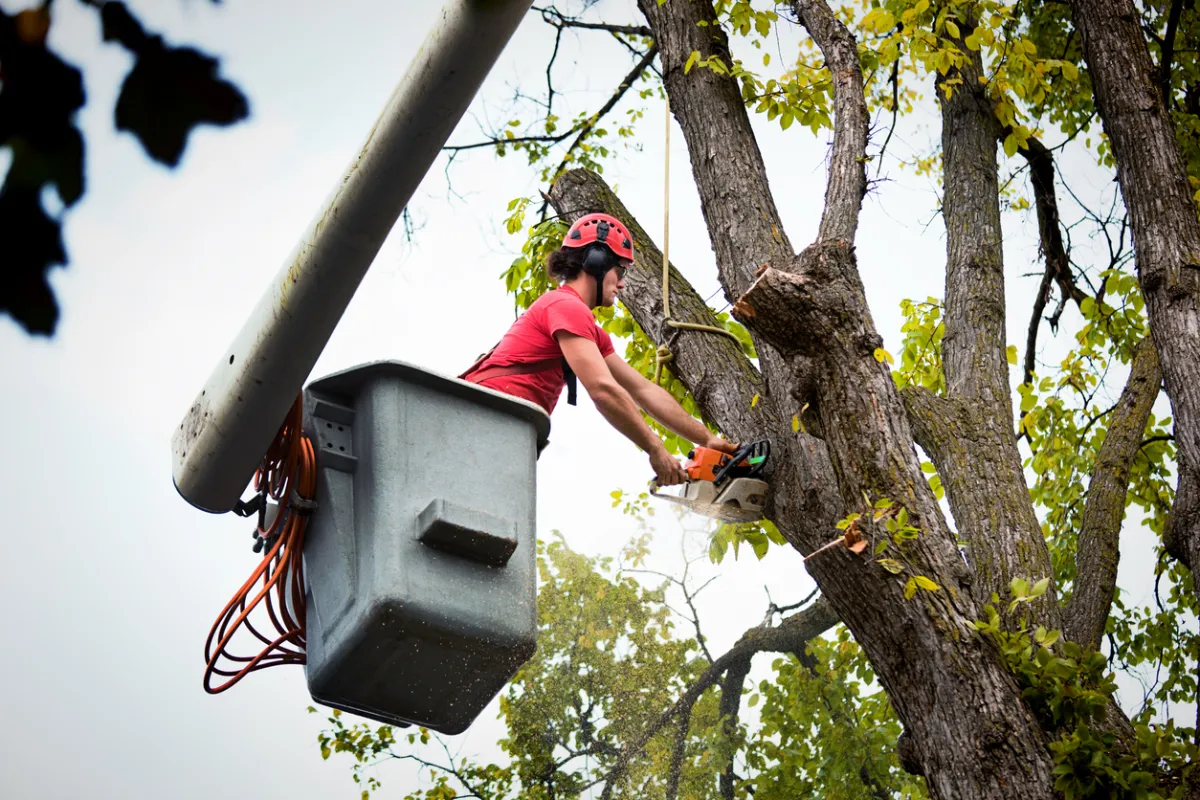
Few things enhance the beauty and value of a New Jersey property like a mature, healthy tree. But when the skies darken, the wind picks up, and a severe storm rolls in, those massive canopies suddenly become a source of anxiety. Strong winds during storms can cause trees to topple or become uprooted, increasing the risk of damage. Every year, powerful storms—from intense summer squalls to coastal nor’easters—cause devastating property damage due to falling limbs and uprooted trees. Unmaintained trees are a major liability during storms, posing significant risks to people and property.
The good news is that you don’t have to wait for nature to decide your tree’s fate. The most effective defense against storm damage is proactive, professional tree care. This is why thousands of homeowners turn to the proven, strategic technique of tree pruning.
If you are a property owner in New Jersey, understanding how tree pruning reduces storm damage is not just about tree health—it is about home safety, risk mitigation, and protecting your most valuable assets. Reducing risk is a primary goal of proper tree pruning. For specialized tasks and to ensure safety, hiring a professional arborist is essential. At Taylor Expert Arborists, we specialize in comprehensive residential tree services designed to create a healthier, safer environment for your family. We incorporate advanced techniques in storm tree preparation and support systems to ensure your mature trees are built to weather the worst.
Why Storms Damage Trees and How Pruning Helps
Pruning is the preventative practice that enhances the tree’s structure before severe weather arrives. By strategically removing specific material, we change the physics of the tree, allowing it to move with the storm, not against it.
To appreciate the value of pruning, we must first understand the intense forces that storms unleash upon a tree’s structure. A large, healthy tree can withstand tremendous force, but storms find and exploit every structural weakness. Maintaining healthy trees is crucial, as they are more resilient to storm damage and less likely to fail during severe weather.
Proper pruning is essential for tree safety during storms, reducing risks and helping trees remain secure.
How Storms Exert Pressure on Tree Canopies
Storm damage is a direct result of physics: wind resistance, weight distribution, and leverage.
- Wind Load: High-speed winds exert immense lateral pressure against the broad surface area of the tree’s canopy. The denser the canopy, the higher the wind load. This pressure translates into tremendous stress on branches, weak unions, and the trunk itself.
- Rain and Ice Weight: Heavy rain saturates leaves, small branches, and deadwood, dramatically increasing the canopy’s overall mass. Ice storms can add hundreds of pounds of weight to every major limb. This excess weight strains branch attachments beyond their breaking point, causing pruning to be a critical preventative strategy.
- Uprooting Leverage: The combination of wind pushing the canopy and saturated soil weakening the roots creates a massive leverage effect. An unbalanced canopy—one that is significantly heavier on one side—can amplify this effect, making the entire tree susceptible to uprooting. Maintaining the structural integrity of the tree through proper pruning helps it better withstand these forces by improving stability and resistance to storm-related stresses.
Common Types of Storm-Related Tree Failure
When a tree fails, it rarely happens in a desirable direction. The most frequent and dangerous types of failure are:
- Branch Snapping: Often occurs where deadwood is present, where a branch is diseased, or where there is an included bark union (a “V” shape that is inherently weak) that splits under weight. Weak limbs and weak branch unions are common causes of branch failure during storms, as they are more likely to break under wind, ice, or snow.
- Trunk Cracking or Splitting: This usually happens at or near the main trunk union where large branches attach. It is often caused by decay or multiple branches competing for vertical dominance. Codominant stems, which are multiple trunks of similar size growing together, are a structural defect that increases the risk of failure during storms.
- Canopy Imbalance: When a tree loses a large section of its crown on one side, the remaining side is exposed to higher wind loads, leading to cascading failures.
The Problem with Unmanaged Structures
An unmanaged, overgrown tree is like a sail in a hurricane. A dense, thick canopy catches and resists wind rather than allowing it to pass through. Limbs that cross or rub cause wounds that invite decay, creating hollow spots that become failure points. In unmanaged trees, hidden decay can develop in dead or diseased limbs, making them especially vulnerable to breaking during storms. Overextended limbs grow far from the tree’s center of gravity, acting like massive levers ready to tear away under stress. Identifying and addressing weak spots through proper pruning is crucial to prevent storm damage.
Assessing Tree Vulnerability Before Storm Season
A foundational element of NJ storm damage prevention tree care is accurately assessing the inherent risks of your existing landscape. Not all trees are created equal, and not all structural problems are visible to the untrained eye.
Factors That Influence Storm Vulnerability
When Taylor Expert Arborists evaluates your property, we look at three main categories of vulnerability:
- Species Characteristics: Some species are naturally more susceptible to damage. For instance, fast-growing trees like Silver Maples or Bradford Pears are notorious for having weak, brittle wood and narrow branch attachment angles. In contrast, slower-growing hardwoods like Oaks tend to have stronger wood and better structure. Selecting appropriate tree species for storm-prone areas is crucial to minimizing the risk of storm damage.
- Tree Age and Condition: Young trees are more flexible but can snap easily. Mature trees have great strength but often harbor decades of unseen decay or structural defects.
- Environmental Conditions: Poor soil drainage, recent excavation near the roots, or being located on a steep, wind-exposed ridge all increase vulnerability regardless of the tree’s health. Compacted soil is another factor that limits a tree’s health and energy reserves, making it more vulnerable to storm damage.
Large trees require special attention and professional care, as they present increased risks during storms and need specialized knowledge and equipment for safe maintenance.
Structural Warning Signs to Watch For
Property owners should periodically inspect their trees for basic warning signs. These red flags indicate areas where tree pruning for storm protection is immediately necessary:
- Overextended Limbs (Lion’s Tailing): Branches that are disproportionately long or that have been improperly pruned in the past, leaving foliage only at the very tips. Long branches are a particular warning sign, as they can create structural weaknesses and increase the risk of storm damage.
- Crossing or Rubbing Branches: Branches that touch, rub off the bark, and create open wounds that invite decay and disease. It is also important to inspect other branches for structural weaknesses, especially in young trees, to promote strong development and resilience against storms.
- Included Bark Unions: Where two or more main branches grow very close together, and bark is trapped between them, creating an extremely weak attachment point that is highly susceptible to splitting in the wind.
- Deadwood: Any branch, regardless of size, that is dead or dying. This wood offers zero flexibility and snaps easily, becoming airborne during high winds.
Property owners should also look for obvious hazards such as broken or hanging limbs that could pose immediate threats to people or property.
How Pruning Improves Tree Stability and Strength
The primary goal of professional storm-resistant tree pruning is to proactively alter the tree’s geometry to withstand dynamic forces. Pruning is not just cosmetic; it is a structural reinforcement strategy. Expert pruning by certified arborists ensures precise cuts that promote long-term tree health and safety.
Proper pruning also helps trees conserve their energy reserves, allowing them to recover more quickly and remain resilient against storm stress. These practices ultimately make trees safer during severe weather.
Minimizing Wind Load Through Canopy Thinning
One of the most effective techniques for storm mitigation is selective thinning. This involves the removal of specific interior branches to reduce the overall density of the canopy. Crown thinning, a specific pruning technique, selectively removes interior branches to improve airflow through the canopy and reduce wind resistance.
- Reduced Resistance: By creating strategic spaces within the crown, the tree presents less resistance to high winds. Instead of being a solid “sail,” the wind is allowed to pass through the tree relatively unimpeded.
- Balanced Weight: Thinning also helps distribute the tree’s mass more evenly, reducing the excess weight that contributes to leveraging and snapping under stress.
These pruning techniques, including crown thinning, help trees better withstand summer storms by enhancing structural stability and minimizing storm damage.
Correcting Weak Branch Attachment
Weak branch attachments, often characterized by a narrow “V” shape (included bark), are the most common source of major limb failure. The weight of the limb and the pressure of the wind act as a lever on this weak point, causing the union to split open and tear the wood. Heavy limbs can further increase the risk of failure at these weak unions, so structural pruning is essential to manage and reduce the weight of heavy limbs.
Professional tree trimming to prevent storm damage specifically targets these weak unions. This might involve:
- Subordination: Reducing the length or diameter of one limb in a weak union to favor the other, stronger limb. This lessens the leverage and stress on the compromised attachment point.
- Removal of Redundant Growth: Eliminating co-dominant stems (multiple trunks competing for dominance) when they display severe structural flaws.
Maintaining strong branches through proper pruning is crucial for overall tree stability and resilience during storms.
Removing High-Risk Limbs (Dead, Diseased, Damaged)
A dead branch is a major hazard. It is inflexible, brittle, and adds weight to the canopy while offering no structural benefit. When high winds hit, these branches turn into dangerous projectiles. After storms, it is essential to inspect for and remove broken branches and broken limbs, as these can pose immediate risks to property and safety.
This is the most straightforward aspect of how pruning strengthens trees: the strategic removal of the three D’s—dead, diseased, and damaged wood—is a crucial step in property protection tree pruning. This step immediately lowers the liability associated with the tree and eliminates common failure points before they become a danger. Assessing and caring for damaged trees after storms is vital to prevent further risk and ensure long-term safety.
Supporting Long-Term Health and Resilience
Consistent maintenance pruning, performed every few years, ensures the tree is directing its energy toward strong, structurally sound growth. By removing energy-draining defects, the tree allocates resources to wound wood and healthy new growth, increasing its overall resilience and vigor. A healthy tree is always better equipped to fight off decay and repair itself after minor storm damage.
Regular maintenance also helps prevent tree failure during storms by addressing structural weaknesses early and promoting resilient growth.
Key Pruning Methods That Reduce Storm Damage
Effective storm-resistant pruning involves techniques that go far beyond hacking back branches. Our certified arborists utilize precise, industry-standard methods tailored to the specific needs of the tree and the property. Two essential techniques for storm resilience are structural pruning, which corrects growth patterns to improve a tree’s stability and strength, and selective pruning, a targeted approach that removes specific problem or dead branches to maintain the tree’s natural structure and reduce storm risk.
Selective Thinning (Crown Thinning) and Weight Reduction
Thinning is the most critical method for reducing wind load. It involves the selective removal of small live branches, primarily in the outer canopy.
- The 25% Rule: A key principle is that the arborist should generally not remove more than 25% of the live foliage in a single season. Removing too much too quickly stresses the tree and can lead to weak, watersprout growth that is even more vulnerable to future storm damage.
- Focus on the Interior: Thinning focuses on removing interior branches to allow air and light penetration, reducing the ‘sail’ effect without compromising the branch structure necessary for photosynthesis.
Tree species such as northern red oak and sugar maple especially benefit from crown thinning, as this practice helps reduce wind resistance and storm damage in these trees.
Canopy Balancing and Structural Shaping
Trees rarely grow perfectly symmetrical. Whether due to sun exposure, neighboring trees, or past damage, canopies often become uneven, leading to overextended limbs on one side.
Canopy balancing ensures the tree’s center of gravity is properly aligned with the trunk. By reducing the size and mass of long, heavy branches that extend too far from the trunk, we decrease the leverage force that would pull the limb down in a storm. This is a primary component of tree trimming for storm protection in NJ.
Professional tree work is essential for achieving proper canopy balance and maximizing storm protection, as it ensures safety and effective results.
Corrective Pruning for Growth Defects
Corrective shaping focuses on future-proofing the tree by eliminating juvenile growth defects that will become catastrophic failures later.
- Removal of Rubbing Branches: Eliminating one of a pair of rubbing branches to prevent perpetual wounding.
- Establishing a Dominant Leader: Ensuring that a single, central trunk (or “leader”) is prioritized over competing branches, which reduces the likelihood of the tree splitting at the crown.
Consulting a tree expert is essential for corrective pruning, especially when addressing complex growth defects, to ensure proper assessment and safe, effective results.
Crucial Warning on Improper Pruning: Homeowners or untrained tree services often resort to “topping”—the indiscriminate cutting of large branches back to stubs. Topping is one of the worst things you can do for storm resilience. It starves the tree, initiates rapid decay in the remaining stubs, and causes the tree to sprout dozens of weak, long watersprouts that attach poorly and are highly susceptible to snapping in the next storm. Professional arborists never top a tree; we use precise reduction cuts.
Why Professional Pruning Matters for Storm Protection
You can purchase shears and a ladder, but you cannot purchase the 12 years of specialized knowledge and certification that Taylor Expert Arborists bring to every job. In addition to expert pruning, their comprehensive tree service offerings include storm protection, risk mitigation, and ongoing tree health maintenance, all performed by certified professionals. Professional pruning is an investment in safety and longevity that DIY attempts simply cannot match.
Expert Diagnosis of Hidden Issues
A certified arborist sees structural faults that are invisible from the ground. We look for subtle changes in bark texture, fungal indicators, or small shifts in branch angle that signal a major, internal failure point.
- Decay Pockets: We diagnose internal decay, often caused by old wounds or root problems, which severely compromise the tree’s ability to resist high winds.
- Root System Compromise: We can spot the external signs of a compromised root system, which suggests the tree should be proactively removed before it uproots and lands on your home or your neighbor’s property.
Identifying hidden decay and other safety hazards is crucial for preventing storm damage, as it allows for timely intervention to reduce risks to property and personal safety.
Customized, Strategic Pruning Strategies
There is no one-size-fits-all approach to storm tree preparations. A 40-year-old Pin Oak requires a different strategy than a 20-year-old Japanese Maple.
Professionals develop a strategy tailored to:
- Species-Specific Requirements: Respecting the tree’s natural growth habit.
- Proximity to Structures: Pruning limbs that hang over homes, garages, or driveways more conservatively to reduce target risks.
- Tree Health: Ensuring that the amount of removal does not compromise the tree’s health or shock its system.
Reducing Liability and Protecting Property
When an unpruned, high-risk limb tears off and damages a neighbor’s roof or a parked car, the property owner often faces significant liability. Professional, documented pruning by certified experts reduces this liability. We provide a written service plan that demonstrates you took proactive, reasonable steps to mitigate known hazards on your property.
Additionally, professional pruning can help prevent the need for emergency tree removal after storms, reducing both risk and cost.
What to Do After Severe Weather Hits
Even the most well-pruned tree can suffer damage in extreme weather. Knowing the correct storm damage prevention tree care steps immediately after a storm is crucial for safety and recovery.
If a tree must be removed due to severe storm damage, consider planting a new tree in its place, selecting an appropriate species, and using proper planting techniques to promote healthy growth.
Safety First: Post-Storm Assessment
Never approach a tree that has fallen on power lines. Always assume any downed wire is live. If you notice tree damage involving electrical lines, contact the utility company immediately to ensure safety and proper handling. If the tree is near your home or a public walkway, assess the damage from a safe distance. Look for:
- Large, hanging limbs (“widow makers”): These are partially detached branches that could fall at any moment.
- Trunk Cracks: Especially large vertical splits or cracks in the main trunk that indicate imminent failure.
- Tilting or Heaving: A tree that is leaning significantly or has soil heaving up around the base is likely compromised at the root level and may be hours away from falling.
When Emergency Pruning or Removal is Necessary
Do not attempt to clear large limbs yourself. Emergency situations often require the use of heavy equipment, rigging, and aerial access that is best left to insured professionals.
Taylor Expert Arborists provides emergency service to evaluate and address immediate hazards.
- Limb Removal: We carefully remove broken, hanging, or split limbs using controlled techniques to prevent further damage to the tree or property.
- Corrective Pruning: For trees that suffered minor to moderate damage, we perform proactive follow-up care by cleaning up jagged wounds and making proper cuts to encourage rapid, healthy closure and prevent decay.
- Full Removal: If a tree is compromised to the point where it poses an unacceptable risk (e.g., severe trunk splitting, major root failure), safe removal is the only viable option.
Encouraging Proactive Follow-Up Care
After a storm, the tree is under immense stress. Follow-up care is essential to strengthen its overall health. This includes:
- Wound Treatment: Proper pruning cuts help the tree compartmentalize the wound, sealing off damaged tissue from pathogens.
- Monitoring: The arborist will monitor the tree for signs of delayed decline or the onset of disease brought on by storm-related stress.
By engaging in a structured, professional tree pruning for storm protection in NJ, you transform your tree from a potential liability into a resilient, long-term asset.
Take Control of Your Tree’s Defense Today
The question of how tree pruning reduces storm damage can be summarized simply: it structurally prepares your tree to handle the worst of the weather by reducing wind resistance, removing weak failure points, and encouraging strong, balanced growth.
In New Jersey, where storm intensity is a yearly concern, relying on luck is a gamble no property owner should take. At Taylor Expert Arborists, we offer the detailed assessments, certified expertise, and precise pruning methods necessary to maximize your property’s safety and the longevity of your trees.
Don’t wait until the next weather warning to think about tree pruning for storm protection. Proactive care is the only reliable defense.
Contact Taylor Expert Arborists today to schedule a comprehensive storm vulnerability assessment and begin your tree strengthening plan. Protect your property, preserve your trees, and gain peace of mind before the next big storm hits.


