

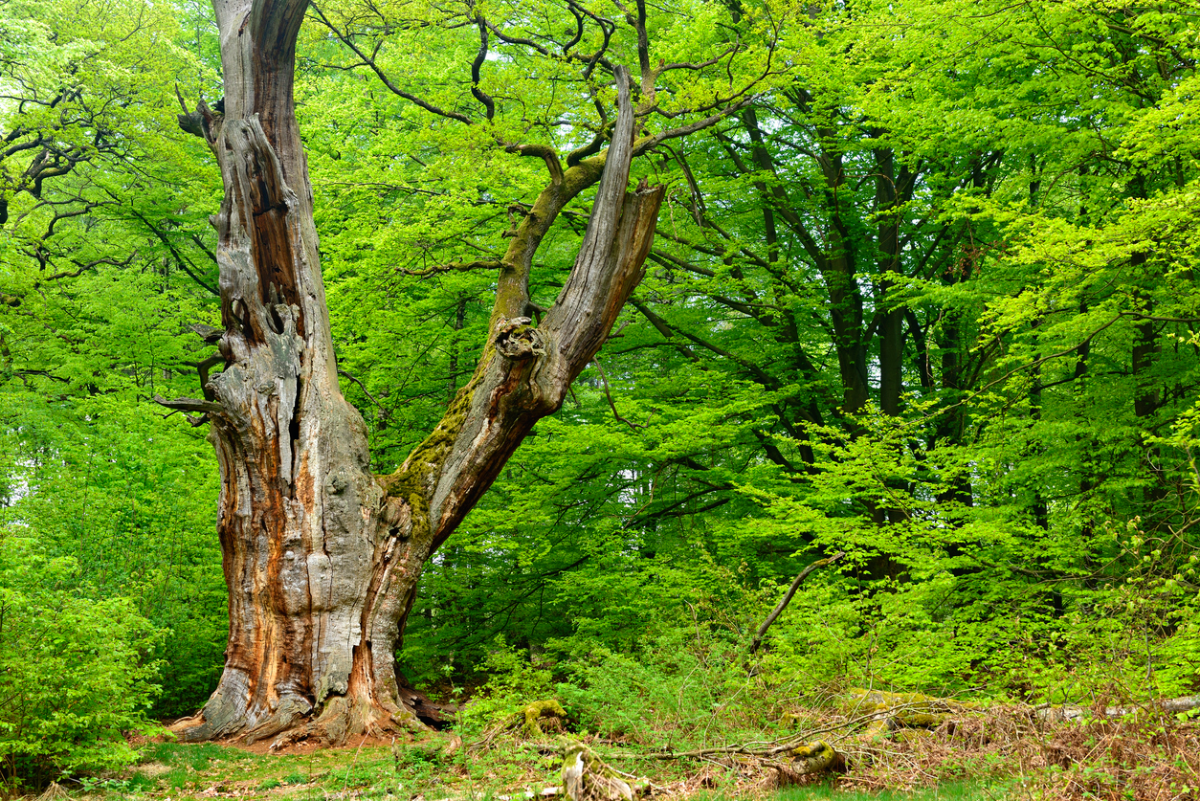
When cold weather strips a tree of its green leaves and foliage, it can be difficult to determine whether you’re looking at a healthy dormant tree or a dead one. Dormant trees in winter often have bare branches but still show flexible branches, visible buds, and green tissue when you perform a scratch test. A dead or dying tree, on the other hand, usually has brittle branches, no buds by late winter, extensive peeling bark, and fungal growth or mushrooms growing at the base.
Visual inspections and tests can help assess tree health in winter. Combining several methods – scratch test, bud check, branch flexibility, trunk and root inspection – gives the most reliable answer about a tree’s condition. Dead trees can fall and damage property or injure people, so any dead tree near your house, driveway, or play area should be evaluated or removed by a professional. A thorough tree health inspection and appropriate residential tree services can make the difference between saving a healthy tree and preventing a dangerous situation.
Is My Tree Dead or Just Dormant?
Understanding the difference between seasonal dormancy, declining health, and death is essential before you grab a saw or call for tree removal. Deciduous trees commonly lose leaves in fall and remain leafless through winter – that’s entirely natural. Dormancy is a survival mechanism for trees during winter: a dormant tree conserves energy but is still alive, maintaining nutrient reserves in its roots and trunk. A dead tree, by contrast, has completely lost its ability to grow. It will never leaf out again, no matter how warm spring gets.
Understanding Dormant vs. Dead Trees
Many homeowners in late fall, winter, and early spring ask, “is my tree dead or dormant?” when they see a bare tree with no green leaves in sight. The question is understandable – both dormant trees and truly dead trees look like lifeless skeletons at a glance.
A dormant tree has temporarily shut down visible growth to survive harsh winter conditions. Internally, it still transports water at minimal levels, stores nutrients in its roots and trunk, and maintains live tissues in its cambium layer. Dormant trees retain moisture in their branches, and they can still produce buds for spring growth. The cambium layer under the bark indicates tree health – it stays green and moist throughout winter on a living tree.
A dead or dying tree no longer transports water and nutrients. Tissue death in the trunk, branches, and roots is irreversible. There’s no energy stored, no cambium activity, no future growth. The difference matters for two reasons: you want to avoid removing healthy trees unnecessarily, and you need to address safety risks from a dead tree near structures on your property.
Fast At-Home Checks: What Are the Signs That a Tree Is Still Alive?
Before calling a professional, you can run a few quick tests to assess your tree’s condition. Look for plump buds, flexible smaller branches, and living tissue beneath the bark. These signs should be assessed together rather than relying on a single test.
Start with a scratch test on several twigs. Gently scrape away a small patch of bark with your fingernail or a knife. The scratch test reveals green cambium under the bark on a living tree – moist, light-green tissue is a good sign. Brown or dry cambium indicates a dead tree. Visible buds on branches suggest a tree is alive, and healthy trees produce new buds even when dormant.
Next, bend pencil-thick twigs. Flexible branches that bend into a gentle arc without snapping usually mean a living, possibly dormant tree. Dead twigs are brittle and snap easily when bent.
By mid- to late winter, look for buds on branch tips. Compare your tree to other trees of the same or similar species nearby. If neighboring live trees are budding or leafing out and yours remains a bare tree with no buds, suspect that the tree may be dead or dying.
Testing several branches is important, as parts of a tree can die back while the trunk and major limbs remain alive. If scratch tests, bud checks, and flexibility tests all point to death – no green anywhere, brittle wood, zero buds – the tree is likely more than just dormant.
Signs Your Tree Is Dormant – Not Dead
Dormant trees can look lifeless from November through early April, but they show subtle signs of life. Their twigs feel cool and slightly heavy because dormant trees retain moisture rather than drying out. Healthy trees shed and replace their bark regularly, and dormant species keep firm, intact bark without large patches of missing bark – unless they’re naturally peeling species like birch or sycamore. Inspecting bark can reveal signs of a dead tree when you see widespread damage.
Healthy buds on dormant trees are plump, firm, and intact, especially visible on maples, oaks, dogwoods, and fruit trees. On warm late-winter days, some species show slight bud swelling. Evergreen trees display dormancy differently – slightly duller needles and slower growth – but should not have widespread brown, brittle foliage.
Flexible Branches and the Scratch Test
Flexible branches suggest a tree is alive and dormant. Dormant twigs are pliable and flexible when bent, bending into a gentle arc. Dead twigs are brittle and snap easily when bent – a clear indicator of decline.
Perform a careful scratch test starting at small outer twigs and working progressively closer to the trunk. Finding green cambium on inner branches or on the tree’s trunk, even if outer tips are brown, means the tree is alive but may have some dieback. Repeat across different parts of the canopy to determine how much of the tree is still living.
Visible Buds and Seasonal Timing
Look closely at branch tips in late winter and early spring. A dormant tree will have small, hard buds – green, brown, or reddish depending on species. Buds on dead trees appear shriveled, dry, or hollow. No buds indicate a tree may be dead, and no buds by late winter may indicate a dead tree that won’t recover.
By the time nearby healthy trees leaf out – often April through May across much of North America – a totally bare tree with no swelling buds is likely dead or dying. Photographing buds over a couple of weeks can help you track any growth or color shift.
What Are the Warning Signs of a Dead or Dying Tree?
Certain visual clues strongly suggest a dead or dying tree rather than a healthy dormant one. A single dead limb does not necessarily mean the entire tree is dead – trees naturally shed branches. But extensive dead branches, brittle twigs, and significant crown dieback are concerning.
Widespread brittle branches that break easily suggest tree decline. Brittle branches and hollow sounds indicate a dying tree. Large areas of peeling bark or missing bark around the tree’s trunk circumference are red flags. Loose or peeling bark often indicates a dead tree. Dead trees commonly fail to produce any buds by late winter and remain leafless while neighboring trees green up with new foliage.
Fungal Growth, Mushrooms, and Decay
Fungal growth at the base indicates internal decay. Bracket fungi, conks, or clusters of mushrooms growing on the trunk or around the root flare signal that wood and the tree’s roots are decaying. Fungal growth at the base suggests internal decay in dead trees, especially when combined with other symptoms like a sick tree that has lost bark or shows no buds. Inspecting roots can reveal damage or fungi indicating decline. Significant fungus at the base warrants inspection by a certified arborist.
Peeling Bark, Cracks, and Hollow Wood
Normal bark shedding occurs on species like sycamore, river birch, and shagbark hickory. Abnormal peeling bark – large sheets exposing bare wood – is a different story. Peeling bark can signify a tree’s inability to transport nutrients through its vascular system. Deep vertical cracks, sunken areas, or the tree’s bark that pulls away easily from the trunk suggest death.
A simple tap test can help: knock on the trunk with your knuckle. A hollow trunk often means extensive internal rot. A hollow trunk usually means extensive internal rot in dead trees, creating dangerous cavities that compromise structural integrity. When more than about one-third of the trunk circumference has dead or missing bark, the tree is often beyond saving.
Can a Stressed or Dying Tree Recover?
Recovery depends on the cause and severity of damage. A tree dying from outer branch dieback but showing green cambium near the trunk may respond to proper tree care – improved watering, mulching over the soil around roots, and pruning away dead wood. Root damage from soil compaction, pest infestations, or lightning strikes makes recovery harder. Internal decay from fungal pathogens often means the struggle is too far along.
If the cause is environmental – drought, a single harsh winter, late frost – the tree may simply need time and appropriate care. Professional diagnosis helps determine whether intervention or tree removal is the right path. Trees in poor health from disease or extensive decay rarely bounce back.
Seasonal Context: How Cold Weather and Species Affect What You See
Timing and tree species greatly affect whether a bare tree is normal or worrying. Deciduous trees typically enter dormancy in late October through November and leaf out again between April and May. Extreme cold weather, late freezes, or droughts can delay bud break and make healthy trees appear dead for several extra weeks.
Some species leaf out much later than others. Pecans and black walnuts often remain bare until late April or early May – well after maples and oaks have produced green leaves. Comparing across different species can be misleading, so identify your tree’s species before drawing conclusions.
Evergreen trees can suffer winter burn, where needles turn brown from drying winds on the other side of harsh winter conditions. Inner buds may still be alive and capable of new growth come spring.
When to Call an Arborist and When Removal Is the Safest Choice
While homeowners can spot basic signs, only a trained, certified arborist can fully assess risk from a dead or dying tree. Professional evaluation is urgent when large dead trees hang over your house, driveways, play areas, or utility lines. Leaning or heaving soil around the roots can signal a dead tree with compromised ground stability. Dead trees can crack sidewalks and pose risks for passersby.
Arborists use advanced tools to distinguish between a stressed but savable tree and a truly dead tree. Removing dead trees prevents unexpected repair and medical expenses – and eliminates the safety hazard before storm season. For clearly living but declining trees with partial dieback, arborists may recommend pruning, improved watering, mulching, or treatment for pests and disease to restore healthier trees.
If multiple tests across the canopy show no life and you suspect structural problems, don’t wait. Schedule a professional assessment before the next storm.


