


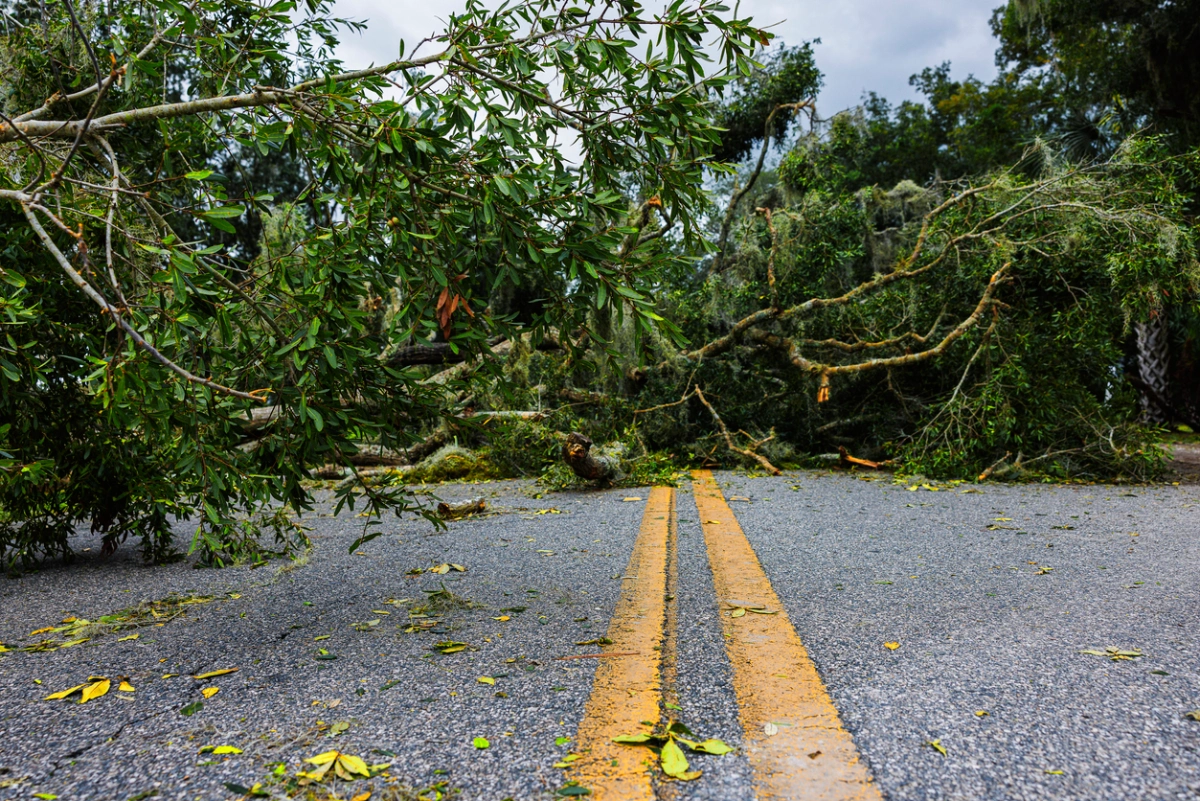
Heavy rainfall may seem like a welcome relief for plants and trees, but too much of a good thing can spell disaster. Across neighborhoods and forests alike, it’s not uncommon to see large trees toppled in the wake of a storm. This article explores why trees fall down after heavy rain, the warning signs to watch for, and what you can do to protect your property and the trees you care about.
Understanding Tree Fall Causes
Before we examine the relationship between rainfall and tree failure, it’s important to understand the fundamental causes behind why trees fall. Trees are complex living systems constantly adapting to their environment. When any component of the system—particularly the roots, trunk, or canopy—is compromised, the tree’s overall stability is threatened. In many cases, these vulnerabilities may go unnoticed until a significant external force, like heavy rainfall, triggers a collapse.
Poor root structure is one of the most critical and commonly overlooked causes of tree failure. Roots may become weak due to restricted growth space, physical damage, soil compaction, or decay. A tree with insufficient anchorage is particularly vulnerable during storms, when the added weight of water and pressure from wind can destabilize it.
Soil instability is another major factor. When soil shifts, erodes, or becomes saturated, its ability to support a tree’s weight diminishes. Trees growing on slopes or in clay-heavy soils are especially susceptible. Similarly, internal diseases such as heart rot or fungal infections weaken the trunk and branches from within, making the tree structurally compromised.
Structural defects also play a significant role. Cracks, splits, co-dominant stems, and improperly pruned limbs can create stress points that weaken the tree over time. Finally, the combination of overly saturated soil and high winds creates a perfect storm: the roots lose grip just as the canopy catches more wind, leading to a sudden fall.
Even trees that appear healthy on the surface can harbor hidden weaknesses. After heavy rain, these weaknesses are often exposed, turning an otherwise strong-looking tree into a dangerous hazard.
Tree Root System and Health
Roots are a tree’s primary structural foundation, providing both anchorage and a means to absorb water and nutrients. When heavy rains fall, the conditions underground can shift dramatically—and dangerously—compromising the health and strength of the root system.
How Rain Weakens Tree Roots
One of the first impacts of excess water is oxygen deprivation. Roots require oxygen to function effectively. When the soil becomes saturated, water fills the air spaces that normally allow for gas exchange. Without adequate oxygen, roots can begin to suffocate, leading to root stress and eventual dieback.
Root Rot and Heavy Rainfall
Persistent wet conditions can create the perfect environment for fungal pathogens to thrive. These fungi can cause root rot, a disease that gradually destroys a tree’s underground support. As the roots decay, they lose their strength and can no longer hold the tree upright. This type of internal damage often progresses invisibly until the structural support is so diminished that the tree topples over.
Shallow Root Systems and Saturation Risk
Certain tree species, such as silver maples and pines, naturally develop shallow root systems that are more susceptible to being dislodged when the soil is oversaturated. These trees are more vulnerable even during moderate storms, especially when planted in less-than-ideal soil types or urban environments where root expansion is restricted.
Ultimately, trees with compromised or shallow root systems are significantly more likely to fall during or after periods of heavy rain, even when wind speeds are relatively low. Understanding the state of your tree’s root system is essential for proactive tree management and storm preparedness.
Impact of Saturated Soils on Tree Stability
Saturated soil is one of the most common and dangerous conditions affecting tree stability after heavy rain. When rainfall is excessive, the ground becomes so wet that it can no longer support the weight and anchorage of trees, leading to an increased risk of failure.
Loss of Soil Friction
When rainwater fills the air gaps in soil, it displaces the oxygen and reduces the friction between soil particles and tree roots. This friction is what usually helps anchor roots in place. Once the soil is saturated and that friction is lost, roots can begin to slip, causing trees to lean or even fall.
Root Ball Loosening in Heavy Soils
In clay-heavy or compacted soils, drainage is particularly poor. These soil types hold water longer, creating extended periods of saturation around the root ball. As the soil becomes increasingly loose and heavy with water, roots can become destabilized. In extreme cases, the entire root system may lift from the ground.
Drainage Challenges on Sloped Properties
Sloped landscapes and properties with inadequate drainage systems are especially vulnerable. Rainwater naturally travels downhill, and in doing so, it may accumulate around trees at lower elevations. This can lead to both saturation and erosion, creating dual threats to the root system’s grip and the tree’s structural base.
Long-Term Effects of Saturation
Even when a tree doesn’t fall immediately, repeated saturation events can cause long-term instability. Over time, roots may weaken, decay may set in, and the tree may become chronically stressed. Trees exposed to recurring saturation often exhibit signs of decline, such as leaf drop, slow growth, or sudden leaning.
Recognizing these soil-based risks and improving drainage around vulnerable trees can greatly enhance their ability to survive storms and thrive in wet conditions.
Factors Contributing to Tree Fall
While saturated soil and weakened roots are fundamental contributors to tree failure during and after heavy rain, they do not act in isolation. Several additional environmental and structural factors influence whether a tree is likely to fall. Understanding these elements provides a more complete picture of why some trees succumb to storms while others remain standing.
Tree Species Susceptibility
Tree species is one of the most telling indicators of fall risk. Some trees are inherently more vulnerable due to their biological makeup. For example, willows, silver maples, and pine trees are known for their shallow root systems or softer wood, making them more prone to being uprooted or snapping under stress. Species with dense, top-heavy canopies are also at increased risk, especially with weakened root systems in saturated soil.
Height and Tree Canopy Shape
The height and canopy shape of a tree also play crucial roles in its stability. Taller trees experience more wind resistance, especially during storms, creating greater mechanical stress on their root systems. Trees with wide, dense canopies catch more wind and rain, increasing their weight and the torque placed on their trunks and roots. This dynamic puts pressure on the tree’s anchoring system, which can fail if the soil is loose or waterlogged.
History of Physical or Structural Damage
Past damage significantly influences a tree’s structural integrity. Trees that have previously endured harsh storms, improper pruning, or mechanical injury may have internal decay or weakened/dead branches. These compromised areas may not be visible to the untrained eye, but they reduce the tree trunk’s resilience against heavy rain and wind. Once decay sets in, it can spread internally and affect the tree’s ability to withstand external pressure.
Soil Composition and Landscape Design
Soil composition and landscape grading are additional but often overlooked factors. Clay-rich soils retain water for extended periods, which means trees growing in such soils face prolonged exposure to saturation. Sloped landscapes can also exacerbate problems by directing excess water toward the base of a tree, compounding saturation and erosion at the root zone.
Each of these conditions—tree species, structure, history of damage, and environmental setting—interacts with rainfall to affect whether a tree stands strong or falls. A comprehensive understanding of these risk factors is vital for assessing tree health and planning appropriate preventative care.
Identifying Damaged Trees
One of the most proactive steps homeowners can take in storm preparedness is learning how to identify signs of potential tree failure. Trees rarely fall without first showing signs of stress or structural compromise. After a storm, a careful inspection of your trees can help you catch early red flags and prevent more serious damage.
Sudden Leaning or Shifting
If a tree that once stood upright begins to lean—even slightly—after a rainstorm, this is a clear indication that the root system may be compromised. Soil saturation may have loosened the tree’s anchoring ability, or structural roots may have snapped under the pressure. Leaning trees are highly unstable and should be inspected by a professional immediately.
Soil Heaving and Exposed Roots
Inspect the ground around your trees. If you notice areas of raised soil, known as soil heaving, or exposed roots that were previously buried, these could be signs that the root plate has started to lift. This condition often precedes full tree failure and requires urgent evaluation.
Trunk Cracks and Splits
Cracks at the base of the trunk or along major limbs may indicate internal structural damage. These splits can be caused by internal decay or the stress of swaying during storms. When combined with water saturation, these cracks often expand, increasing the likelihood of failure.
Fungal Growth at the Base
Mushrooms or other fungal growth near the base of a tree or around exposed roots often point to internal rot. Fungi thrive in moist environments and signal that the tree’s structural integrity is already compromised. These indicators shouldn’t be ignored.
Decaying or Hanging Limbs
Dead, decaying, or broken limbs—especially those that are still hanging from the canopy—pose serious safety hazards. These branches may fall at any moment, particularly if they’ve absorbed excess moisture, increasing their weight and instability.
Conducting a post-storm inspection and recognizing these symptoms can help you act before a dangerous situation develops. If you observe any of these warning signs, consult an arborist for storm-damaged trees right away to evaluate the risk and determine next steps.
Prevention Tips for Tree Falls
Prevention starts with awareness and proactive care. Here are actionable ways to reduce the risk:
- Improve Drainage: Avoid pooling water near trees. Install French drains or regrade if necessary.
- Mulch Properly: Use organic mulch to retain moisture without suffocating roots—don’t pile it against the trunk.
- Aerate Soil: Compacted soil limits drainage and root expansion. Regular aeration helps prevent saturation issues.
- Limit Root Disturbance: Avoid construction or digging around roots.
- Schedule Tree Risk Assessments: Hire a certified arborist to inspect for vulnerabilities. Learn more about tree hazard risk assessments.
Protecting Trees from Heavy Rain
While we can’t control the weather, we can take steps to protect healthy trees from heavy rainfall damage:
- Prune regularly to reduce wind resistance.
- Strengthen soil with compost or organic matter.
- Install root barriers for newly planted trees.
- Stake young trees to encourage deeper root development.
These steps not only protect trees but also safeguard your home and landscape.
Cost and Insurance Considerations
Tree removal and storm recovery can be costly, especially when damage occurs unexpectedly. Homeowners need to understand both the financial implications and the insurance options available when a tree falls after heavy rain.
Understanding Insurance Coverage
Most homeowners’ insurance policies cover tree damage if the fall was caused by a covered peril such as a storm, wind, or lightning. However, if the insurance provider determines that the fall was due to neglect—such as failure to remove a dead or hazardous tree—your claim may be denied. It’s essential to maintain tree health documentation and seek regular inspections, especially if your property is surrounded by large or aging trees.
Variables That Influence Tree Removal Costs
Several factors determine how much you’ll pay for tree damage cleanup. These include the height and diameter of the tree, its proximity to buildings or power lines, the complexity of the removal, and whether specialized equipment is required. Emergency tree services, especially those requested during or immediately after a storm, typically incur additional charges due to urgent scheduling and increased risk. In areas where permits are required for tree removal, administrative fees may also be a consideration.
Importance of Documentation for Claims
Proper documentation is crucial when filing an insurance claim for storm-related tree damage. Take multiple photos of the damage, including the base of the tree, affected structures, and surrounding debris. Obtain written assessments from certified arborists outlining the cause of failure and estimated repair costs. These records help validate your claim and can speed up the approval process with your insurer.
Being proactive in understanding your insurance policy, working with a qualified arborist, and documenting everything thoroughly can help minimize the financial stress of storm recovery. Having a tree care partner like Taylor Expert Arborists on standby can make a major difference when you need expert guidance the most.
Final Thoughts
Trees are vital components of our environment and landscapes, but they require informed care, especially when it rains. Understanding why trees fall down after heavy rain helps you make smarter choices about tree planting, maintenance, and protection. Don’t wait until it’s too late: inspect your trees, take preventative steps, and partner with professionals like Taylor Expert Arborists to keep your property safe.
Need help assessing tree risk or dealing with storm damage? Contact us today for expert tree care services.


