

Mature trees are one of nature’s most valuable assets. They provide shade, beauty, and habitat, and they increase property value significantly. But as these towering giants age, questions about their care inevitably arise. Pruning practices for younger trees focus on establishing a strong structure and shaping, while pruning mature trees is more about size control and safety, often requiring careful techniques to preserve health. Chief among them: Should mature trees be pruned? The answer is yes—but with intention, knowledge, and care.
In this article, you’ll learn when and how to prune mature trees, how often trimming should be done, which pruning techniques are best, and why it matters so much for long-term health. We’ll also help you distinguish between DIY pruning and hiring a professional arborist. If you’re unsure whether your tree needs attention, you might want to begin with a Tree Health Inspection.
How to Know If a Mature Tree Needs Pruning
A mature tree may look majestic from a distance, but subtle warning signs can indicate it’s time for a trim. Begin by checking for deadwood: branches that are brittle, leafless, or decaying. These not only affect the tree’s vitality but pose a safety hazard, especially during storms. Other visual clues include branches that cross or rub against each other, a thinning canopy that lets in too much light, or limbs sagging under their weight.
Recognizing pruning signs, such as damage from previous improper or excessive pruning, is important for early intervention and maintaining tree health.
Also, take note of structural interference—low-hanging limbs obstructing walkways or brushing against roofs and windows are prime candidates for removal. Lastly, inspect for signs of disease like fungi, oozing bark, or unusual leaf coloration, all of which could warrant corrective pruning.
Why Is Tree Pruning Important?
Understanding the benefits of tree pruning is key to recognizing why this practice plays a central role in long-term tree health, structural integrity, safety, and aesthetics. Pruning is more than cosmetic; it’s an essential element of responsible tree stewardship, and these benefits are only achieved through proper pruning.
Health and Longevity
One of the most significant reasons for mature tree trimming is to maintain or improve the tree’s health. Removing dead or diseased branches, as well as diseased, decaying, or dead wood, limits the spread of pathogens and insect infestations. Infected limbs often act as entry points for fungi and bacteria, which can compromise the entire tree if not promptly removed. Pruning also facilitates better airflow and increased sunlight exposure through the canopy. This improved circulation helps prevent fungal diseases and stimulates healthier growth throughout the tree’s structure.
Additionally, routine pruning encourages trees to direct energy toward the development of strong, well-spaced limbs rather than weak, crowded, or competing branches. Preserving live foliage is important; removal of live foliage should be limited to what is necessary for the tree’s health, such as improving sunlight penetration or structural integrity. By eliminating stress points and improving internal balance, pruning significantly extends the life expectancy of the tree.
Safety for People and Property
Mature trees, particularly those located near homes, streets, or power lines, pose considerable safety risks when left unmaintained. Large, overhanging limbs or structurally compromised branches can break during wind, rain, or under their own weight, posing a danger to nearby people, vehicles, and buildings.
Pruning is a proactive safety measure. It eliminates weak or hazardous limbs before they fall, including weak branches that may compromise the tree’s stability and safety, and ensures clearance from structures, roadways, and footpaths. In urban or suburban settings, pruning is often required to meet local safety ordinances and prevent insurance liabilities.
Structural Enhancement and Stability
As young trees age, their natural form can become distorted. Some species grow unevenly or develop co-dominant stems, which are weaker than a single central leader. Maintaining a single leader is crucial for structural stability and helps prevent future problems. Others may experience branch overcrowding or internal crossing limbs that rub and weaken bark.
Through structural pruning, arborists can reinforce the tree’s structure. Selective limb removal strengthens its foundational structure and distributes mechanical stress more evenly. This structural soundness is particularly important in older trees that must endure wind, snow, and other environmental pressures. Proper pruning and attention to the tree’s structure promote long-term health and safety.
Visual Appeal and Property Value
A well-pruned tree is not only safer and healthier but also more beautiful. Pruning enhances a tree’s natural form, reveals its architectural features, and improves symmetry. Clean lines and proper spacing between limbs allow the tree to integrate more harmoniously into its landscape. Proper pruning practices also benefit other plants in the landscape, promoting healthy growth and maintaining the visual appeal of the entire garden.
Beyond aesthetics, well-maintained trees contribute to property value. Homes with mature trees that are properly trimmed often command higher prices due to enhanced curb appeal and reduced perceived maintenance risk. On the flip side, neglected trees—especially those with visibly dead or dangerously overextended limbs—can lower a property’s value and increase liability concerns.
Timing: Which is The Best Season to Prune A Mature Tree?
Late Winter to Early Spring
This is the optimal window for most tree species. Pruning during dormancy gives the tree a greater chance of healthy recovery and maintaining structural integrity. During dormancy, trees are less vulnerable to stress, and pruning wounds have time to heal before spring growth kicks in. It’s also easier to assess the structure of the tree without leaves obstructing the view.
Mid to Late Summer
While not ideal for all trees, summer pruning has its uses. It can help manage overgrowth, reduce the risk of storm damage, and correct issues that become visible once foliage has fully developed. Summer pruning is also an effective time to remove water sprouts, which are vigorous, undesirable shoots that can negatively affect tree structure. However, only minor pruning should be done in this period.
Avoid Pruning Trees in the Fall
Avoid pruning in the fall. Trees begin to enter dormancy, and fungal spores are more active in the cooler, moist air. Wounds made during this time take longer to heal and are more susceptible to infection. Pruning oak trees in the fall can also increase the risk of oak wilt, a serious disease spread by insects entering fresh wounds.
By aligning your pruning practices with the tree’s biological calendar, you can ensure a healthier, longer-lived tree with improved resistance to pests, disease, and storm damage.
How Often Should Mature Trees Be Trimmed?
Determining how often to prune mature trees depends on several factors, including species, growth rate, environmental conditions, and their function in the landscape. While a general rule can provide a starting point, tree care should always be adapted to specific needs and surroundings. Maintaining a regular pruning schedule is essential for preserving tree health and safety.
Healthy Trees in Residential Landscapes
Healthy, slow-growing trees in low-risk environments typically benefit from pruning every 3 to 5 years. Most pruning for healthy trees is aimed at maintaining structure and health, and is typically performed during the late dormant season for optimal results. This allows arborists to maintain the tree’s structure, remove dead or weak limbs, and inspect for emerging issues without placing undue stress on the tree. During this interval, the tree has time to recover and develop naturally without human interference that could disrupt its growth cycle.
Fast-Growing or Structurally Vulnerable Trees
Certain species—like silver maples or Bradford pears—grow quickly or have naturally weak wood, increasing the likelihood of breakage. For these trees, it is often necessary to remove bigger branches to prevent breakage and maintain overall stability. These types may require pruning every 2 to 3 years to manage limb load, reduce storm damage risk, and address structural issues that can become dangerous if neglected. Regular intervention helps redirect energy to stronger limbs and encourages more stable canopy development.
Trees in Urban or High-Traffic Areas
Trees near sidewalks, driveways, parking lots, and structures are subject to more frequent human and environmental stress. In urban areas, pruning is often necessary to create more clearance beneath trees for pedestrians and vehicles. Because broken or falling branches in these settings can pose safety hazards, they often require more frequent inspection and pruning. Depending on the size, species, and proximity to infrastructure, these trees may need to be pruned as often as every 1 to 2 years, or even annually in some cases.
Trees With a History of Damage or Disease
If a tree has experienced past storm damage, infestation, or disease, it will likely benefit from more frequent attention. These conditions can create hidden vulnerabilities that require regular assessment. A proactive pruning plan reduces the chance of decay spreading and maintains structural integrity. When pruning trees with a history of disease or injury, it is especially important to make proper pruning cuts to minimize damage and promote healthy healing.
A professional arborist can evaluate your tree’s specific conditions—such as canopy density, limb angles, wood strength, and risk profile—to recommend a custom trimming schedule that balances health, safety, and aesthetics.
How Much of a Mature Tree Can I Trim?
Pruning a mature tree requires a thoughtful balance between necessary maintenance and preserving the tree’s overall vitality. A common guideline is to retain at least two-thirds of the tree’s living branches after pruning to ensure health and stability. Over-pruning is one of the most common—and most damaging—mistakes made by homeowners and even some landscapers. Understanding how much is safe to remove can help prevent irreversible harm.
The 25% Rule: A Safe Guideline
Tree experts generally recommend that no more than 25% of a tree’s canopy be removed during a single pruning session. This rule exists to protect the tree’s physiological processes. The canopy is responsible for capturing sunlight and producing energy through photosynthesis. Removing too much foliage at once disrupts this function, potentially stalling growth and weakening the tree. Sometimes, removing entire branches at their origin is necessary to reduce height or address structural issues, but this should be done carefully to avoid excessive loss of foliage and to promote proper healing.
For older or stressed trees, the limit should be even more conservative, closer to 10% to 15%. These trees already have reduced energy reserves and may struggle to recover from aggressive trimming. If a tree has been neglected for many years, it’s better to approach its pruning incrementally over multiple seasons rather than correcting all issues at once.
Consequences of Excessive Pruning
Removing too much from a mature tree does more than make it look bare. Excessive pruning can also negatively affect the tree’s roots, reducing stability and nutrient uptake. It introduces long-term vulnerabilities:
Structural Weakness
Pruning large limbs improperly or excessively can alter a tree’s weight distribution. This makes it more susceptible to cracking, splitting, or even falling during storms. The structural balance of a tree takes years to develop, and one overzealous pruning can undo it.
Reduced Energy Production
Because leaves are a tree’s food factory, a drastic reduction in canopy size severely limits the tree’s ability to produce the sugars it needs to survive and thrive. This can lead to a decline in overall health and slower recovery.
Pest and Disease Exposure
Fresh cuts are open wounds. Over-pruning creates a higher number of wounds, which become entry points for insects, fungi, and bacteria. Large or numerous cuts also take longer to seal over, increasing the risk of infection and decay.
Pruning Techniques
Pruning mature trees involves more than simply cutting away overgrown branches. The approach taken must reflect the tree’s age, species, location, and structural condition. It is important to learn how to properly prune trees at different life stages, as pruning mature trees requires specialized techniques compared to younger trees. Proper pruning practices should begin at planting to establish a strong structure and prevent future issues. There are several specialized pruning techniques, each with distinct purposes and benefits. Knowing the difference between them is crucial for effective, targeted care.
Crown Thinning
Crown thinning is the selective removal of smaller, interior branches throughout the canopy. The goal is not to change the tree’s overall shape but to reduce crown density. This allows light and air to move more freely through the canopy, improving photosynthesis in inner leaves and reducing the risk of fungal diseases that thrive in damp, stagnant air.
Thinning also helps mitigate the risk of branch failure by decreasing wind resistance. In windy climates, dense canopies act like sails, catching strong gusts and putting excessive strain on the trunk and limbs. By strategically thinning the crown, arborists enhance the tree’s ability to withstand environmental stress without compromising its natural silhouette.
It’s important to thin evenly throughout the crown and avoid removing too many branches from one section, which could unbalance the tree. Thinning should be performed conservatively, especially on mature trees, to avoid shock and excessive loss of foliage. Always make clean cuts when removing branches during crown thinning to promote faster healing and reduce the risk of infection.
Crown Reduction
Crown reduction is a more aggressive method that involves reducing the overall size of the canopy, usually to address height, spread, or structural clearance issues. This often requires shortening large branches to manage the tree’s size, especially when trees encroach on buildings, power lines, or other infrastructure, or when they become too large for their site.
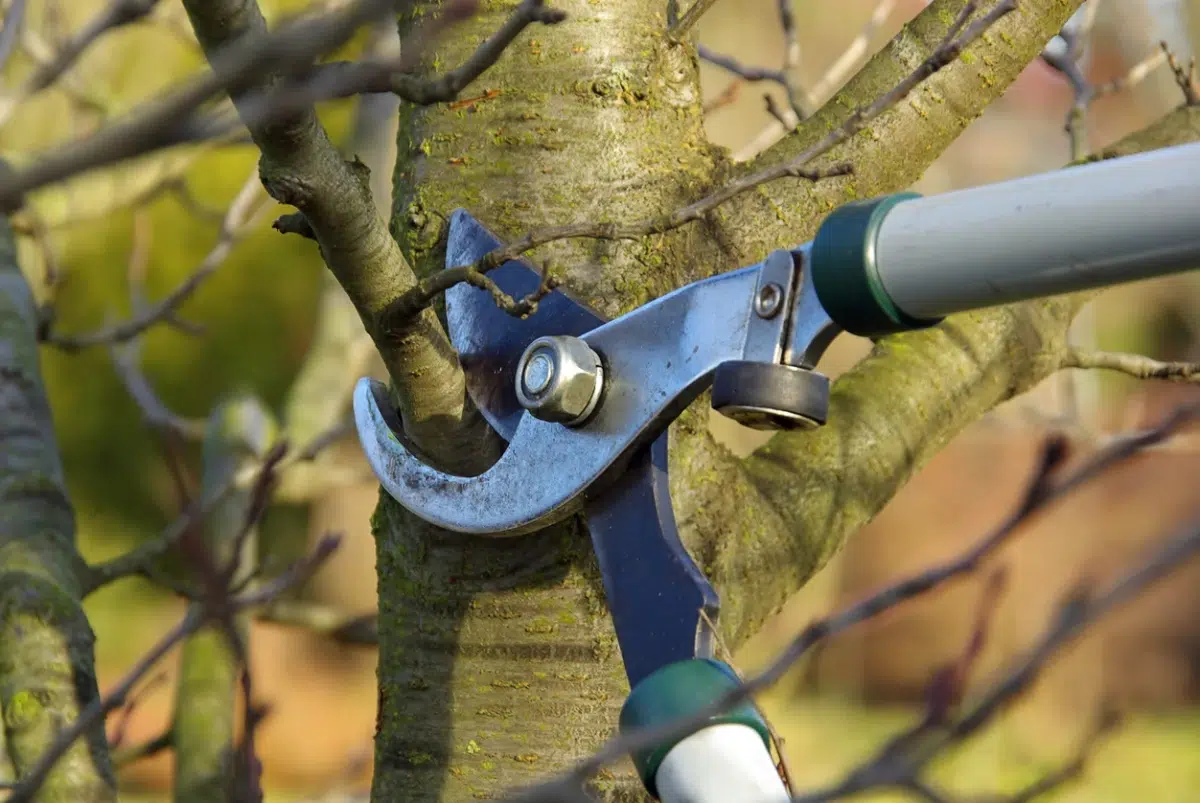
Unlike tree topping—which involves indiscriminate cutting and should be avoided—crown reduction is carried out by shortening branches to lateral limbs that are at least one-third the diameter of the limb being removed. When removing large branches, it is important to make cuts at a short distance from the branch collar to ensure proper healing. This maintains the tree’s form while minimizing stress and decay risk.
Crown reduction requires considerable skill and understanding of tree biology. Improper cuts can leave stubs that fail to heal or stimulate the growth of weak, fast-growing shoots that make the tree more hazardous in the long term. Making the final cut at the correct location, just outside the branch collar, is essential to minimize damage and promote healthy recovery.
Other Common Pruning Techniques
Deadwooding
This technique focuses on the removal of dead, dying, or broken branches, which pose risks of falling and spreading disease. Deadwooding improves both safety and aesthetics and can be performed at any time of year.
Cleaning
Cleaning is a broad maintenance practice that involves removing structurally unsound, poorly attached, or infected limbs. It’s typically used to prevent future problems and maintain tree health without altering its natural structure.
Raising
Canopy raising involves removing lower branches to increase clearance under the tree. This is particularly useful for trees in urban settings, along driveways, or near pedestrian paths. It improves visibility and access without impacting the tree’s balance if done correctly.
Improper pruning, however, can do more harm than good. That’s why it’s often advisable to consult with a certified arborist, especially for large or high-value mature trees, to ensure that pruning techniques align with both the tree’s immediate needs and long-term well-being.
Conclusion: A Trim for Longevity
So, should mature trees be pruned? Absolutely. Pruning is essential to maintain the safety, structure, and beauty of mature trees. When done correctly and at the right time, pruning extends a tree’s life, prevents costly hazards, and supports a healthier ecosystem in your yard. Pruning wounds are generally not covered with dressings, except when there is a risk of disease transmission—such as oak wilt—where it is recommended to cover the cuts with latex.
Remember: pruning isn’t just about cutting—it’s about care, timing, and strategy. And when you’re unsure, it’s always better to consult with a professional. If you’re ready to give your trees the attention they deserve, start with a Tree Health Inspection from our team at Taylor Expert Arborists.
Let your trees thrive—with the right cut at the right time.


