


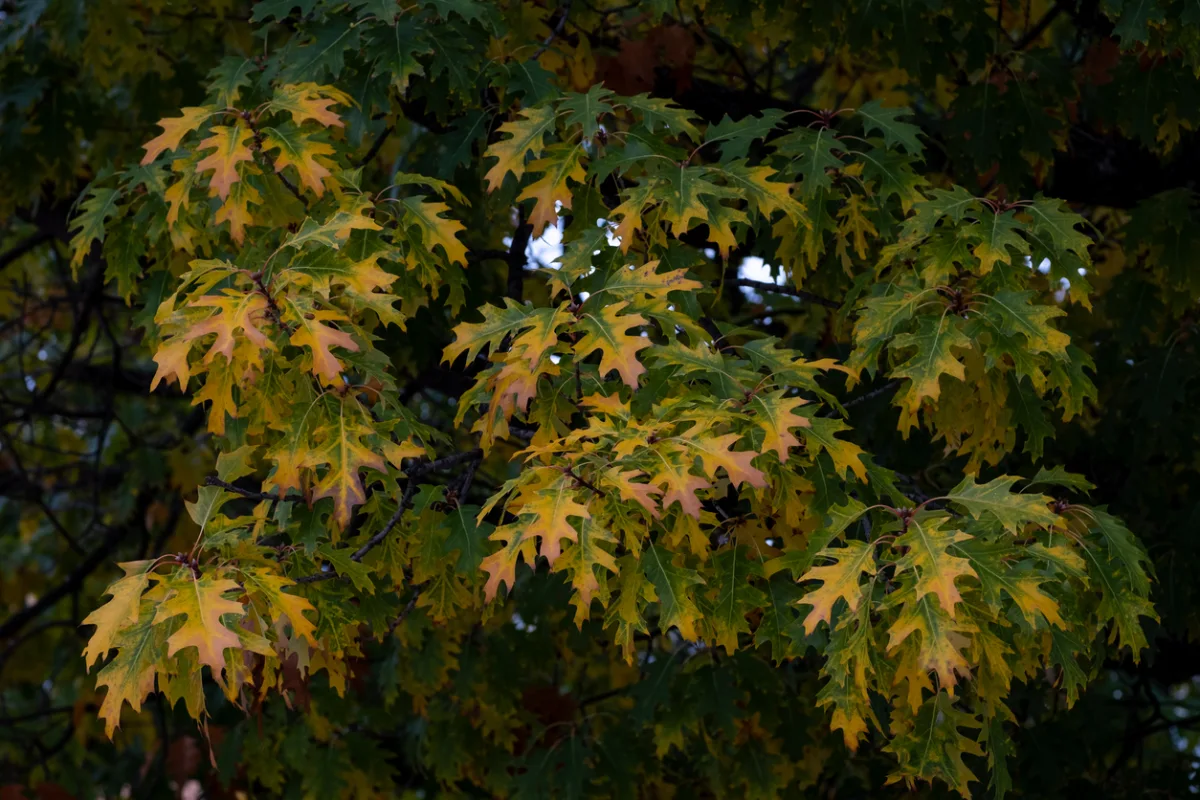
If you’re a homeowner, you understand that ensuring your property’s exterior is healthy and vibrant is a priority. This is especially true when it comes to the large, valuable assets in your yard—your trees. As the temperatures start to dip and the days shorten, many homeowners find themselves asking: What month do leaves change color, and when should I schedule seasonal maintenance? The transformation of fall colors, which refers to the brilliant visual display of changing leaves during the autumn season, is a highlight for many and signals the need for timely tree care.
Understanding the deciduous trees’ leaf cycle, from the vivid fall foliage timing to the eventual tree leaf drop schedule, is the first step in successful seasonal tree care. Homeowners should anticipate the arrival of fall leaves as part of these seasonal changes. Whether you need immediate assistance with a sick tree or comprehensive residential tree services for pruning, fertilization, and general upkeep, preparation is key to ensuring your trees survive winter stress. The precise timing of color change and leaf drop is highly dependent on environmental triggers, but a professional tree health inspection is the best way to determine your specific trees’ readiness for the season.
Understanding Why Leaves Change Color in the Fall
The dazzling shift from summer’s deep green to the fiery hues of autumn is a chemical phenomenon driven by two primary environmental signals: shorter daylight hours (photoperiodism) and cooler temperatures. To truly appreciate this process, we must first look inside the leaf itself at the pigments responsible for color, with green chlorophyll being the dominant pigment during the growing season.
The Science Behind Color Change: Chlorophyll Breakdown
During the spring and summer, leaves act as miniature solar panels, converting sunlight, water, and carbon dioxide into sugars through photosynthesis. The pigment responsible for capturing light energy and giving leaves their characteristic green color is called chlorophyll. Chlorophyll is so dominant and constantly replenished during the growing season that it masks all other pigments present in the leaf structure.
As the days get shorter and cooler temperatures arrive, the tree enters a stage of dormancy preparation. The tree no longer needs to produce food at the same rate and begins shutting down its internal systems. This includes stopping the production of chlorophyll. Since chlorophyll is unstable and requires constant energy input to maintain, its existing molecules rapidly break down. As the green color fades, the underlying, hidden pigments finally become visible, revealing the classic colors of fall. In essence, the color change stages are a controlled shutdown. At the same time, a protective cork layer forms at the base of the leaf stem, sealing off the veins and contributing to the leaf’s eventual detachment.
Carotenoids and Xanthophylls
Once the chlorophyll is gone, two groups of pigments that were present all along—but simply hidden by the green—come to the forefront:
- Carotenoids: These pigments are responsible for the vibrant yellows and oranges seen in birch, aspen, and many species of maple trees. Carotenoids are what give autumn foliage its brilliant yellows, making the leaves especially eye-catching as the chlorophyll breaks down. Unlike chlorophyll, carotenoids are relatively stable and are not continually produced or broken down by the tree during the summer. They are essential for photosynthesis, acting as accessory light-gathering pigments and helping to protect the plant from photo-oxidation. When the green fades, these colors are simply unveiled.
- Xanthophylls: A subclass of carotenoids, these pigments produce the paler, softer yellows, which are especially noticeable in trees like the ginkgo.
Anthocyanins
The intense reds, crimsons, and purples found in red maples, oaks, and dogwoods are produced by a completely different class of pigment: anthocyanins. These pigments are responsible for the striking appearance of red leaves in autumn, as anthocyanin synthesis leads to the vivid red coloration. Unlike carotenoids, which are present throughout the year, anthocyanins are synthesized only after the chlorophyll production stops. They are newly created pigments, and their production is highly dependent on specific environmental conditions.
The process of why leaves change color in the fall and turn requires two things:
- Sugars: The leaf must be actively holding onto sugars that were produced during the final days of photosynthesis.
- Bright Sun and Cool, Dry Conditions: Bright, sunny days encourage sugar production, and cool (but not freezing) nights trap those sugars within the leaves. The combination of trapped sugar and abundant sunlight triggers the creation of anthocyanins.
This explains how temperature affects leaf color—a sudden, deep frost will kill the leaves before anthocyanins can be fully produced, often resulting in drabber colors, whereas a season with warm, sunny days and chilly, non-freezing nights will produce the most spectacular reds.
In essence, the color change stages are a controlled shutdown. The tree seals off the leaf, recovers valuable nutrients before the leaf is dropped, and prepares for the cold dormancy ahead.
Typical Timeline for Fall Foliage and Leaf Drop
The most common answer to when trees lose leaves in New Jersey is from Late October to Early November, with the most dazzling display of color—known as peak foliage—occurring in the two to three weeks leading up to the final drop. While the calendar provides a general framework, the precise fall foliage timing and subsequent tree leaf drop schedule are dictated by the environment. When determining what month leaves change color, it is helpful to look at general regional patterns and then narrow down the micro-factors, as the optimal time for viewing is during peak fall color.
Additionally, weather conditions such as temperature and rainfall play a significant role in influencing the timing and intensity of peak fall foliage each year. These factors can cause variations in when leaves reach their most vibrant phase and how long the peak lasts.
Fall Foliage Timing in the Northeast U.S. and New Jersey
For residents of the Northeast U.S., including New Jersey, the autumn timeline generally follows a reliable progression, though it shifts by a week or more annually based on weather. New England, especially states like New Hampshire and Rhode Island, is renowned for its spectacular fall foliage displays, attracting visitors from across the country.
| Stage | Approximate Timeline (New Jersey & Mid-Atlantic) | Visual Characteristic |
|---|---|---|
| Beginning Color | Late September | Spotting of yellow/red; higher elevations and northern regions show the first signs. |
| Peak Color Change | Early October to Mid-October | Most vibrant colors; maximum visual saturation. This is the period when most trees have fully turned. |
| Active Leaf Drop | Late October to Early November | Significant defoliation; leaves are rapidly falling. Oaks and some maples are still holding color. |
| Post-Drop | Mid-November onwards | The majority of deciduous trees are bare, though some oaks may retain brown leaves until spring. |
Travelers often use a fall foliage map to plan their visits to New England destinations like New Hampshire and Rhode Island, ensuring they experience peak color periods for the best leaf-peeping opportunities.
The Critical Role of Elevation, Latitude, and Weather
Microclimates play a significant role in accelerating or delaying the timing.
- Elevation: Areas with higher elevation experience colder temperatures earlier in the season. These areas, typically located further inland or in mountainous regions, will consistently see peak color change and leaf drop one to two weeks ahead of lower elevations or coastal areas.
- Latitude: Northern parts of New Jersey (like the Skylands region) will start the process before southern parts (like the Pine Barrens), due to shorter daylight hours and consistently cooler air masses arriving sooner.
- Rainfall and Drought: A summer with moderate, consistent rainfall followed by a dry, cool autumn and cool nights typically yields the most intense colors. A severe summer drought can stress trees, causing them to drop leaves prematurely and often in a dull, muted brown or yellow. Conversely, excessive rain late in the season can dilute leaf sap, leading to weaker color.
- Sudden Frosts: A sudden, hard frost or freeze before peak coloration can kill the leaves instantly, turning them brown or black before the pigments have fully developed. Cold temperatures can also affect the development of fall colors by influencing anthocyanin production and the timing of leaf senescence. This can immediately accelerate the tree leaf drop schedule, often disappointing foliage enthusiasts.
High winds can accelerate leaf drop and shorten the duration of fall color displays by causing physical damage and increasing stress on trees.
The Impact of Tree Health and Stress
One of the most important takeaways for homeowners is that a tree’s health status is directly visible in its fall coloration and leaf drop timing. If you observe a tree dropping leaves much earlier than its neighbors of the same species, it might signal underlying disease or pest stress.
- Stress-Induced Early Drop: Trees facing severe stress—especially from drought, water loss, recent transplanting, construction damage to roots, or chronic nutrient deficiency—will attempt to conserve energy and water by initiating dormancy prematurely. This leads to early leaf drop, often resulting in leaves turning dull yellow or brown and falling off with little vibrant color.
- Nutrient Deficiency: Adequate nutrient levels, particularly phosphorus and potassium, are vital for efficient photosynthesis and cellular function. Healthy plants contribute to soil enrichment and nutrient cycling, supporting overall ecosystem health. A tree suffering from nutrient deficiency may exhibit dull, weak coloration or spotty leaf drop.
- Pest and Disease Infestation: Pest infestation (e.g., aphids, scale insects, or mites) or fungal diseases can damage the leaf tissue and interrupt the flow of sugars and water. The tree may interpret this damage as a signal of seasonal change, forcing an early shutdown. This is why a thorough tree health inspection is recommended if you notice premature defoliation.
After falling, dead leaves decompose and enrich the soil, playing a vital role in supporting plant growth and maintaining ecosystem balance.
When to Call a Professional Arborist
While the leaf color change stages and drop schedule are natural, any significant deviation from the norm warrants attention. Nature equips trees with remarkable adaptive mechanisms to handle seasonal changes, but sometimes intervention is necessary. Proactive assessment of tree health in autumn can prevent minor issues from becoming major, expensive problems.
Fall foliage enthusiasts often consult arborists for advice on the best times and places to view vibrant autumn colors.
Recognizing Warning Signs
Knowing the typical timeline allows you to recognize when your tree is signaling distress:
- Early Leaf Drop: If your maple tree loses most of its leaves in September when nearby maples are still green or just starting to turn, this is a clear sign of stress. Observing when leaves fall compared to other trees can help identify underlying issues.
- Dull Coloration: A tree that normally turns a brilliant crimson but only achieves a dull, muted yellow or brown may be struggling with nutrient deficiencies or chronic water stress. Also, keep an eye out for an unusual amount of fallen leaves, as this can be a sign of potential problems.
- Sparse or Bare Branches: If an otherwise healthy tree exhibits unusually sparse foliage or has large, bare patches before the expected leaf drop schedule, it could indicate disease, severe pest infestation, or significant root damage.
- Leaf Spotting or Distortion: Noticeable spots, lesions, or curled leaves before the color change signals an active fungal or bacterial infection that needs professional diagnosis and treatment.
The Need for Expert Diagnosis
When these warning signs appear, a certified arborist provides the necessary expertise to diagnose and treat the problem quickly, saving your tree’s life and structural integrity. Common issues that lead to poor fall health include:
- Root Damage: Often unseen, root girdling, construction damage, or over-saturation can severely limit a tree’s ability to take up water and nutrients. The arborist can perform a thorough tree health inspection to assess below-ground issues. Different tree species may exhibit unique symptoms of root damage and may require tailored diagnostic and care approaches.
- Nutrient Deficiency: Soil testing is often required to pinpoint specific deficiencies that cannot be corrected by general-purpose fertilizer. Arborists can prescribe micro-nutrients or specialized treatments. Tree species can vary in their nutrient requirements and may show different deficiency symptoms.
- Pest Infestation: Many tree pests (such as scale insects, borers, or mites) are active during the late season. An arborist can identify the specific pest, assess the severity of the damage, and apply targeted, environmentally responsible treatments.
The Final Step: Ensuring Tree Safety
Beyond health, autumn is also a time to assess safety. As the leaves come off, the skeleton of the tree is exposed, revealing cracked limbs, splitting crotches, and dead branches that were hidden by the summer foliage. These are weaknesses that could fail in a winter storm, particularly during periods of high wind or heavy ice.
As leaves fall, they accumulate on the forest floor, enriching the soil and supporting ecosystem health.
A fall inspection by a professional arborist is an invaluable preventative measure. They can spot these hazards and recommend necessary structural pruning or cabling/bracing to protect your home and property. This preventative care is the essence of preparing for winter.
Taylor Expert Arborists helps New Jersey homeowners protect their trees year-round. From fall inspections to pruning and storm prep, our certified team ensures your trees stay healthy through every season. Whether you are curious about your fall foliage timing or need immediate assistance with a struggling tree, we offer comprehensive residential tree services designed to keep your landscape beautiful and safe. Don’t wait until winter damage occurs—schedule your fall tree inspection and maintenance today to give your trees the advantage they deserve.


