

Planting trees is one of the best investments you can make for your property. The right tree not only enhances your yard’s beauty but also improves shade, air quality, and even property value. However, not every tree is suitable for every yard. From size and growth rate to soil compatibility and maintenance needs, careful selection is key.
At Taylor Expert Arborists, we’ve helped countless homeowners choose and plant trees that thrive for decades. This guide will walk you through the best trees to plant in your yard based on beauty, practicality, and longevity.
Choosing the Right Tree for Your Yard
Choosing the right tree for your yard begins with understanding the specific conditions and requirements of your planting site. One critical factor is the amount of available space. Planning for the future can save you a lot of hassle as trees mature and require more room. Also, knowing the location of water and drainage lines can prevent future plumbing issues caused by tree roots.
Another important factor is the USDA hardiness zones of your area in North America. For example, most of New Jersey falls within Zones 6b to 7b, which affects the types of trees that will thrive. Native trees are especially beneficial as they are adapted to local soil and climate conditions, improving soil health and preventing erosion. Species like the Amur maple and dogwood are excellent choices near sewer infrastructure due to their non-invasive root systems.
An arborist can:
- Provide valuable insights into the specific needs of your local environment
- Help select suitable tree species
- Recommend trees with less aggressive roots, such as the Japanese maple, to avoid potential damage to nearby infrastructure.
Considering these factors ensures that your new tree will not only survive but thrive in its new home.
Native Trees for Local Landscapes
Planting native trees greatly benefits both your yard and the local ecosystem. Native plants are adapted to the local climate and soil conditions, requiring less water, fertilizer, and overall maintenance. They also promote biodiversity and support local wildlife. For example, non native species like the Northern Red Oak and Sugar Maple are well-suited for New Jersey and provide vibrant fall colors and ample shade. Consider visiting a local nursery to find the best natives species for your planting needs.
The Eastern Redcedar is another excellent native option, known for its durability and ability to thrive in various adverse conditions in the eastern United States. Similarly, the Kentucky Coffeetree is resilient against pollution and adaptable to different soil types, making it versatile for urban and suburban landscapes. Hackberry trees are celebrated for their hardiness, thriving in a wide range of temperatures and varied soil conditions, making them some of the best trees for diverse environments.
In urban environments, the Shumard Oak stands out for its adaptability to challenging conditions like poor drainage and compacted soil. These native alternatives enhance the beauty of your landscape while contributing to the ecological health of your community. Choosing native trees is an investment in a sustainable and thriving environment.
Flowering Trees for Seasonal Beauty
Flowering trees add a burst of seasonal beauty to your yard with their vibrant colors and delightful fragrances. The Flowering Dogwood, known for its beautiful blossoms that range from white to pink flowers, blooms in early spring and is one of the most beloved flowering trees.
The Crape Myrtle, with its vibrant summer blooms, significantly contributes to seasonal color in landscapes. Redbud trees are favored for their pinkish-purple blossoms that appear before the leaves in early spring, adding a striking touch of orange to any yard.
For a unique flowering tree, the Kousa Dogwood produces distinctive clusters of small fruit and is more disease-resistant compared to the traditional Flowering Dogwood. Crabapple trees are valued for their spring blossoms and small fruits that add aesthetic value to a garden.
Flowering trees enhance the beauty of your yard and attract birds and other pollinators, supporting local biodiversity and animals. Whether you prefer the delicate blossoms of a Dogwood or the vibrant hues of a Crape Myrtle, there’s a flowering tree that can add seasonal charm to your landscape as trees grow.
Evergreen Trees for Year-Round Coverage
Evergreen trees maintain greenery in your yard all year. Unlike deciduous trees, evergreens retain their leaves year-round, providing consistent color and coverage. This makes them ideal for creating natural privacy screens and adding structure to your landscape. Species like the Leyland Cypress are particularly popular due to their fast growth and dense foliage, offering excellent coverage.
Evergreen trees can thrive in various soil types, but generally prefer well-drained soils. Adding mulch around the tree helps retain moisture and keeps the roots cool, ensuring the tree remains healthy.
Another advantage of evergreens is their ability to act as windbreaks, reducing wind speed and protecting other plants in your yard. For those seeking low-maintenance options, evergreens are ideal as they require minimal pruning and are generally resistant to pests and diseases.
Whether you need a natural screen or want to enjoy green leaves all year, evergreen trees provide the winter year-round coverage you’re looking for.
Shade Trees for Cooling and Comfort
Shade trees create cool, comfortable outdoor spaces, especially during hot summer months. They provide relief from the sun and help reduce energy costs by shading your home. Red Maples are highly regarded for:
- Their vibrant foliage
- Their ability to provide ample shade
- Their broad canopies that create a refreshing oasis in your yard, perfect for relaxing or entertaining.
Crape Myrtles are another excellent choice for shade, known for their summer blooms and drought resistance. They thrive in hot, sunny locations and add both beauty and shade to your garden. Shade trees like these are functional and add aesthetic value to your landscape with their colorful leaves and flowers.
Besides their cooling benefits, shade trees contribute to the overall health of your yard by providing habitat for birds and other wildlife. Whether you choose a Red Maple or a Crape Myrtle, these trees enhance your outdoor living space and provide much-needed shade during the summer.
Small Trees for Limited Spaces
For limited yard space, a small tree is the perfect solution. Defined as trees that typically reach a maximum height of under 20 feet, small trees fit into compact areas without overwhelming the space. Japanese Maples are popular for small yards due to their delicate foliage and vibrant fall colors. Their elegant form and manageable size make them ideal for front yards or small gardens.
Serviceberry trees are another excellent option, providing beautiful white flowers in spring and edible berries in summer. Fringe Trees thrive in small yards, showcasing showy white flowers in spring and attractive fall colors. For something unique, the Eastern Redbud, with its heart-shaped leaves and early spring flowers, is a fantastic choice.
Dwarf cultivars, such as ‘Little Gem’ and ‘Baby Grand’ Evergreen Magnolias, are perfect for limited spaces with minimal maintenance. These small trees typically thrive in filtered light or dappled shade, similar to their natural growth in forest understories. Choosing small trees for your compact yard allows you to enjoy the beauty and benefits of trees without compromising space.
Low-Maintenance Trees
For low-maintenance options, native tree species are ideal. Examples include:
- Tulip Tree, which thrives in the local climate with minimal care
- American Beech, also thriving with minimal maintenance
- Japanese Tree Lilacs, known for requiring less care while providing beautiful blooms
Low-maintenance trees are perfect for busy homeowners who want the benefits of trees without constant upkeep. These trees:
- Are generally more resistant to pests and diseases, reducing the need for frequent treatments and interventions.
- Often require less pruning.
- Can thrive in various soil conditions, making them a versatile choice for any yard.
Choosing low-maintenance trees allows you to enjoy their beauty and benefits without the added workload. These trees are perfect for those who want a beautiful, thriving yard with minimal effort.
Trees to Avoid Planting Near Homes
Not all trees are good candidates for planting near houses, driveways, or underground systems. Some species have structural weaknesses, invasive roots, or short lifespans that can turn them into liabilities rather than assets. Below are four common problem trees explained in depth:
Silver Maple
Silver maples grow quickly, which makes them tempting for homeowners who want fast shade. However, their rapid growth leads to weak wood that breaks easily during storms. Fallen limbs can damage roofs, vehicles, and power lines. In addition, their shallow roots often extend above the surface, making mowing difficult and increasing trip hazards.
Bradford Pear
This ornamental pear was once a favorite because of its spring blossoms and uniform shape. Unfortunately, Bradford pears develop narrow crotch angles that split apart under the weight of wind, ice, or heavy blooms. Their invasive tendencies also allow them to spread aggressively into natural areas, displacing native species.
Willows
Willows are beautiful, water-loving trees, but they should never be planted close to homes or septic systems. Their aggressive root systems travel great distances in search of moisture, often invading pipes, drain fields, and foundations. The fast growth of willows also shortens their lifespan, leading to frequent branch drop and removal costs.
Poplars
Poplars are another group of fast-growing trees with major downsides. Their roots are extremely invasive, often damaging sidewalks and underground utilities. They also have relatively short lifespans—many decline within 20–30 years—and their brittle wood makes them prone to breakage. While they can serve as temporary windbreaks on large rural properties, they are rarely suitable for residential yards.
Best Practice: If you admire the look of these species, consult an arborist for safer alternatives that provide similar benefits without the risks. Always plant potentially invasive or fragile species far from homes, septic systems, and underground lines.
Planting Tips for Success
Successfully planting a tree to plant involves more than just digging a hole and placing the tree inside. Proper preparation and care ensure that your tree thrives. Homeowners should start by marking underground utilities to avoid accidents during planting. Additionally, communicating with neighbors and clearing the work area ensures a smooth process.
Once you’ve selected your planting site, consider the following for optimal tree health:
- Ensure the soil is well-draining and has the appropriate soil pH for the tree species.
- Apply proper mulching after planting to help retain moisture and keep the roots cool.
- Provide adequate watering.
- Perform regular pruning.
- Fertilize after the tree is established.
For trees like the Dogwood, planting in partial shade locations with dappled sunlight protects them from the scorching afternoon sun. Following these planting tips ensures that your new tree will not only survive but thrive in its new environment.
Addressing Common Concerns
Tree roots are a common concern for homeowners, particularly regarding infrastructure. Roots can aggressively seek out moisture, potentially damaging sewer pipes if they infiltrate leaks or defects. Older sewer systems, especially those made of clay, are more vulnerable to root intrusion due to deteriorating joints.
Regular inspection of sewer lines can prevent extensive damage and help maintain their condition. Certain tree species, like oak and poplar, have so-called invasive plants that can cause problems when planted near sewer lines, so it is important to prune them appropriately.
To avoid these issues, choose trees with less aggressive roots and plant them at a safe distance from sewer lines. Addressing these common concerns and taking preventive measures allows you to enjoy the benefits of your street trees without worrying about potential damage to your infrastructure.
How to Ensure Your Trees Thrive
Planting the right tree is just the first step. For long-term success, follow a comprehensive tree care plan:
Timing and Site Preparation
- Best planting seasons: Early spring and fall allow roots to establish before stress from summer heat or winter cold.
- Site analysis: Evaluate sun exposure, prevailing winds, and proximity to structures or utilities.
- Soil testing: Check drainage, texture, and nutrient levels before planting.
Proper Planting Techniques
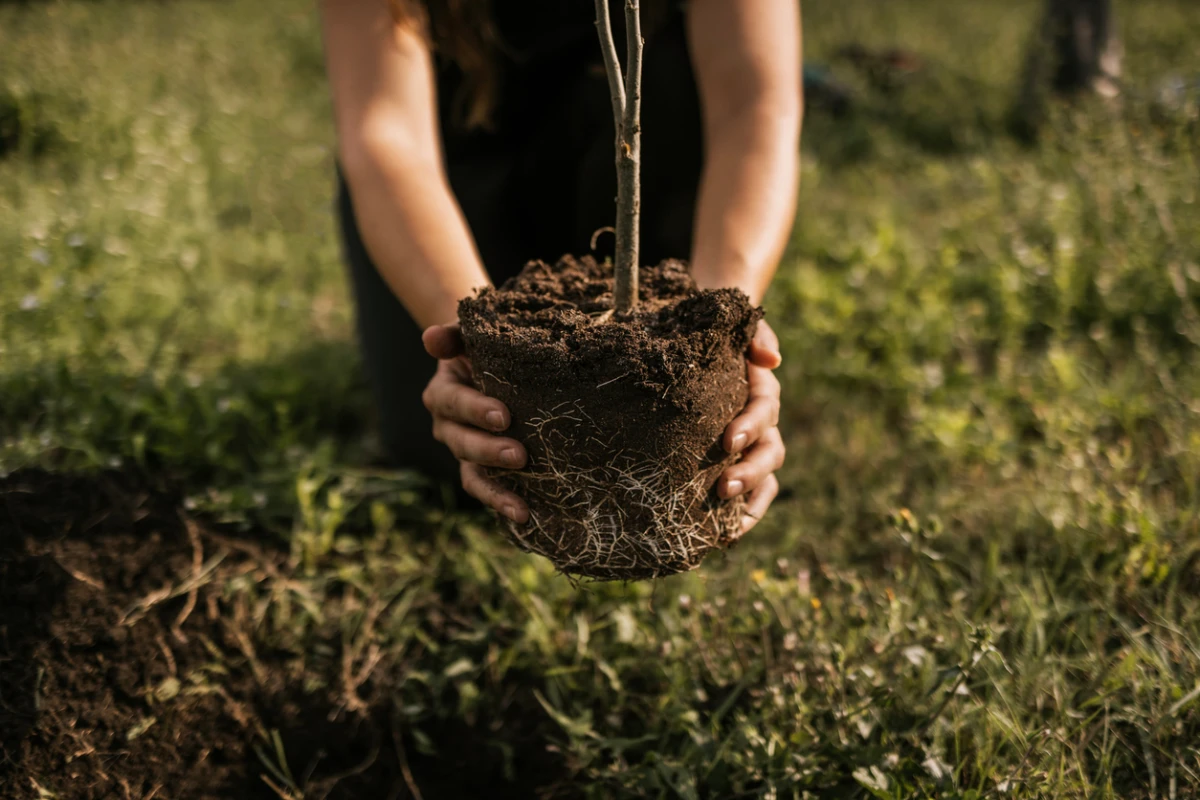
- Root flare placement: Keep the flare above ground to prevent rot.
- Hole size: Dig 2–3 times wider than the root ball, but no deeper.
- Backfill method: Use native soil, not heavy amendments, to encourage local adaptation.
Watering Practices
- Establishment phase (first 3 years): Deep water weekly, adjusting for rainfall.
- Mature phase: Water during droughts, especially for shallow-rooted species.
- Technique: Slow, deep watering is more effective than frequent shallow watering.
Mulching and Soil Care
- Mulch benefits: Conserves water, regulates soil temperature, and prevents weeds.
- Application: Apply 2–4 inches evenly, avoiding contact with the trunk.
- Soil amendment: Periodically enrich soil with compost for improved structure and fertility.
Fertilization
- Young trees: Minimal fertilization prevents weak growth.
- Established trees: Use slow-release fertilizers or compost annually.
- Warning: Avoid high-nitrogen fertilizers that promote excessive weak growth.
Pruning and Training
- First years: Focus on establishing a central leader and balanced branches.
- Mature trees: Prune for safety, airflow, and structural integrity.
- Professional pruning: Reduces disease risk and extends tree life.
Protection and Monitoring
- Trunk guards: Protect against mower or trimmer damage.
- Pest inspections: Watch for borers, aphids, or fungal issues.
- Seasonal care: Check after storms or extreme weather for broken branches or stress.
Professional Support
Professional arborists provide critical long-term care. Taylor Expert Arborists’ tree planting services include selection, planting, soil care, and pruning strategies that ensure your trees not only survive but thrive.
Final Thoughts
The best tree for your yard depends on your goals, space, and environment. Whether you want shade, beauty, privacy, or fruit, choosing wisely ensures your investment lasts a lifetime. Avoid problem species, consider your climate, and plan for the tree’s mature size before planting.
At Taylor Expert Arborists, we combine expertise with care to help homeowners choose the perfect trees. From consultation to planting, we ensure your yard becomes greener, healthier, and more beautiful year after year.
Ready to add the perfect tree to your property? Contact Taylor Expert Arborists today for professional tree planting services tailored to your yard.


